|
|
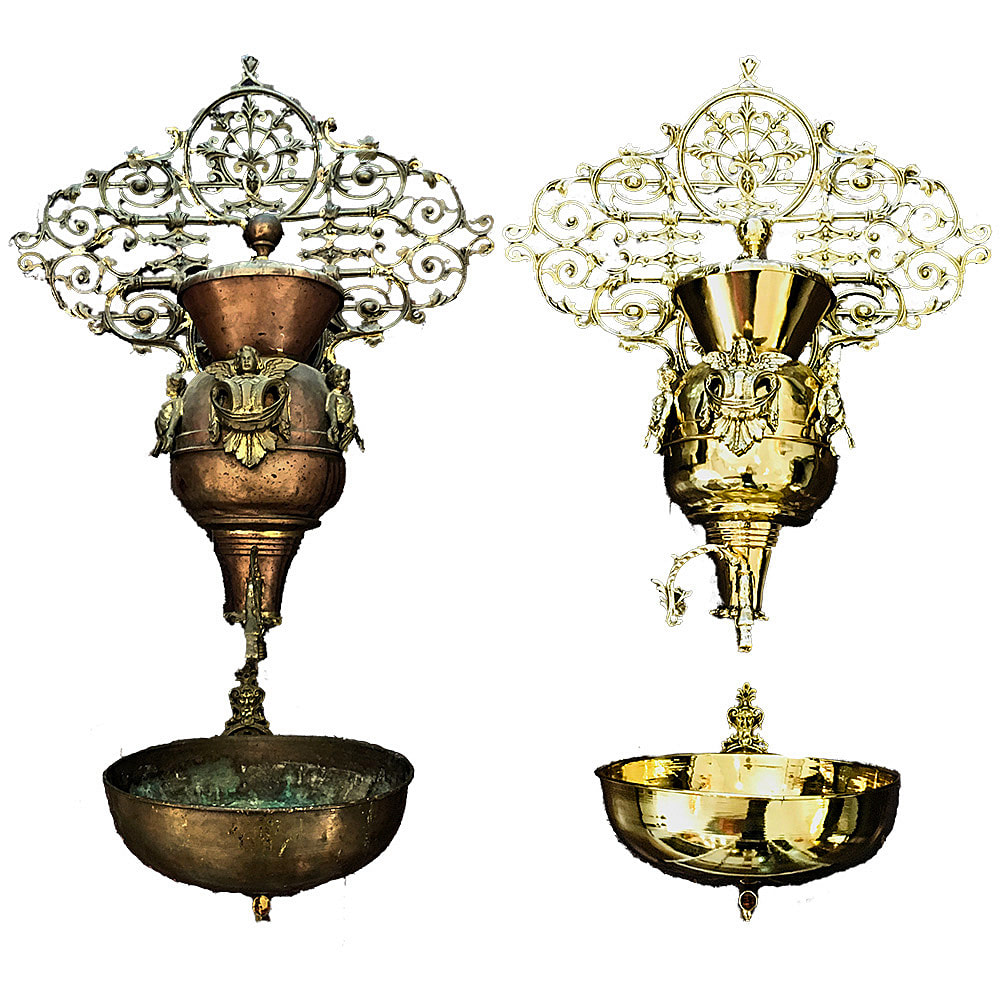
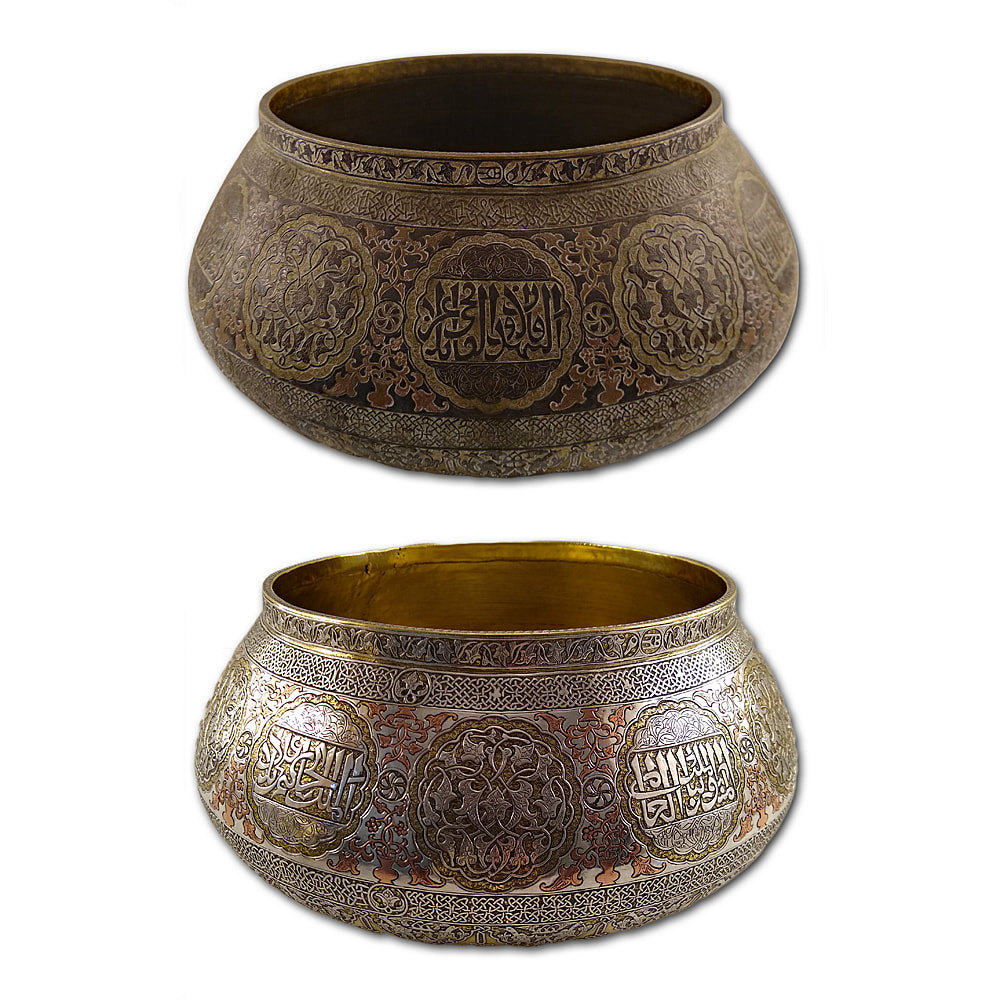
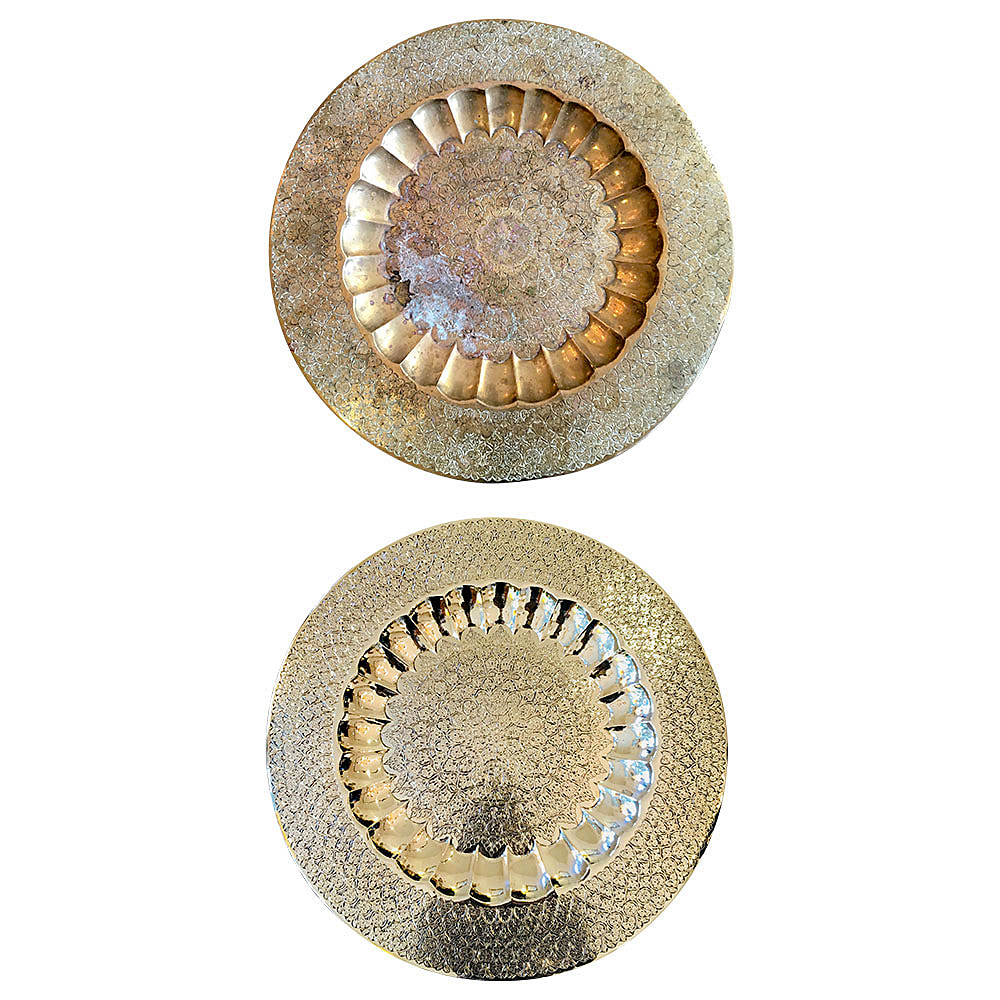
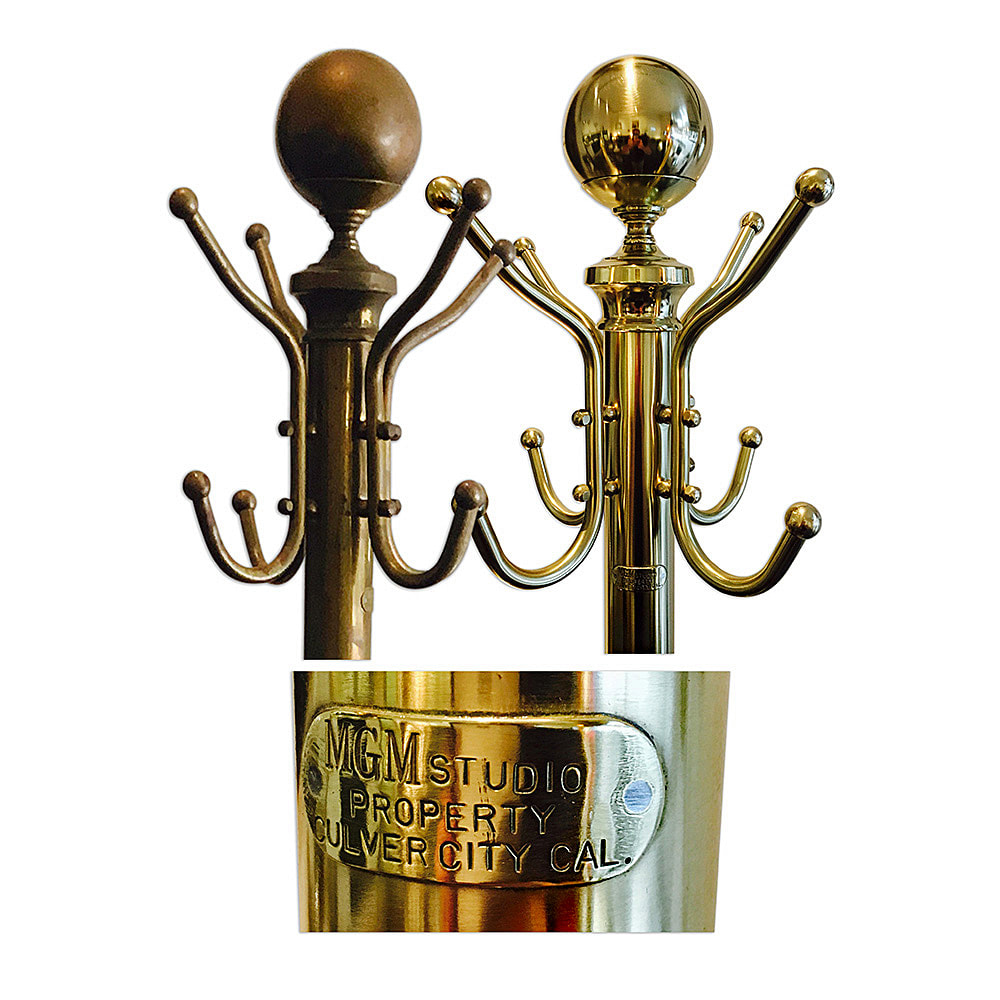
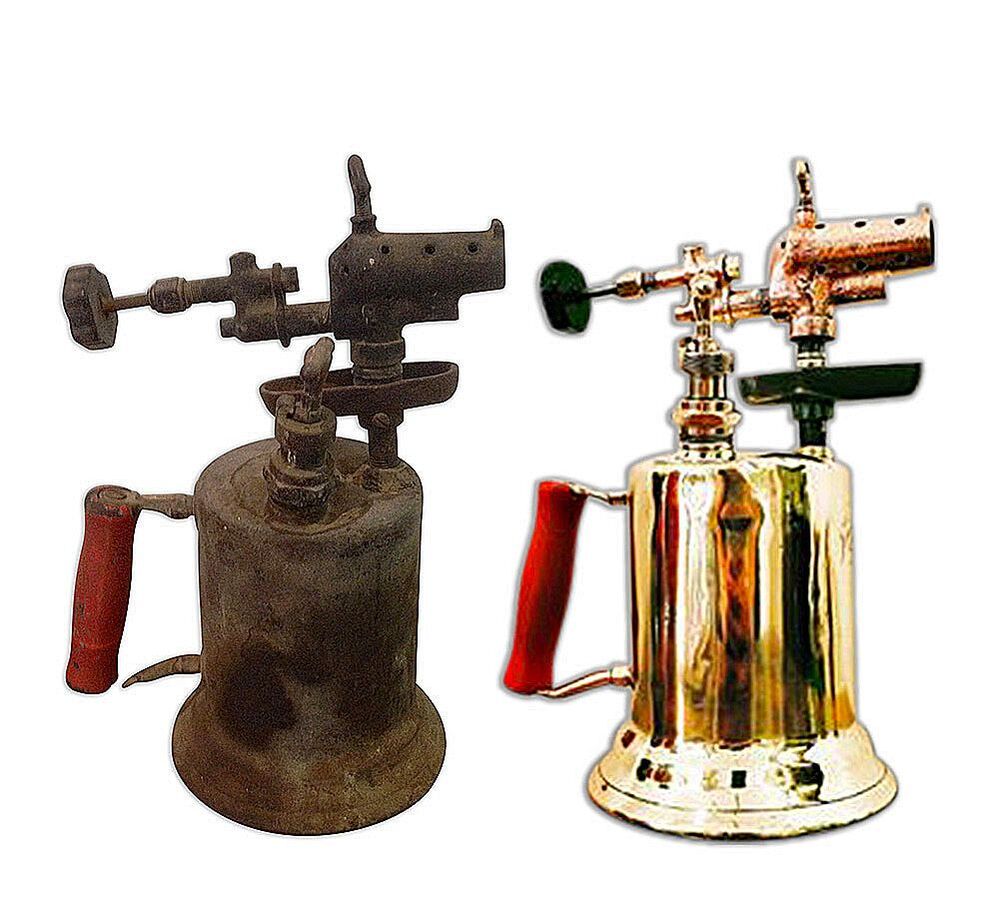
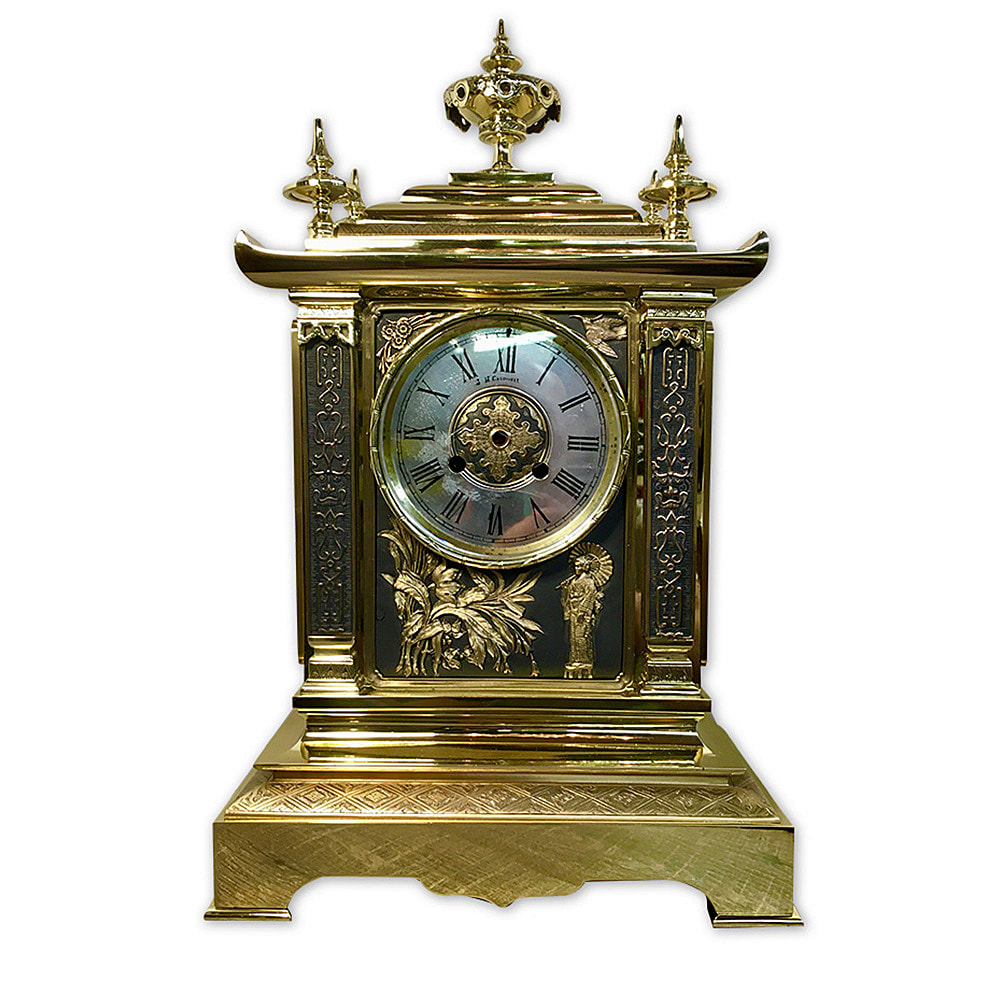
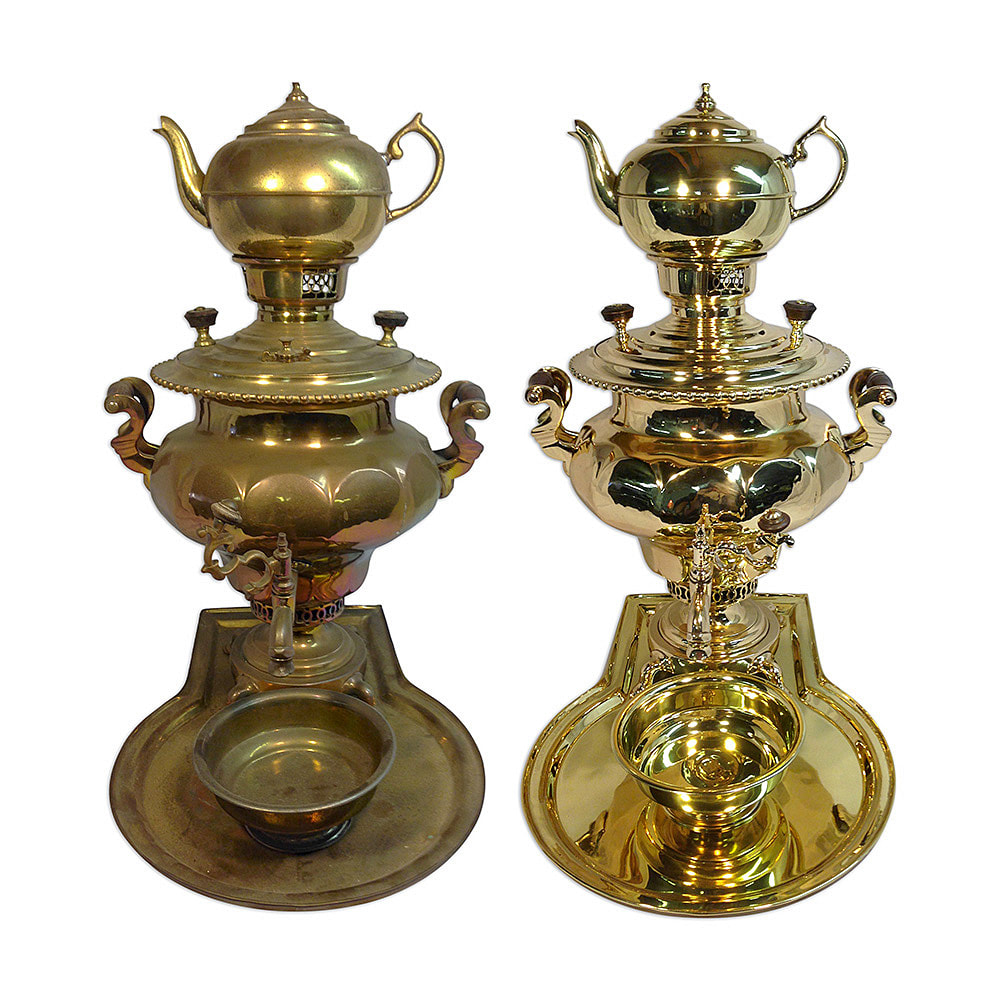
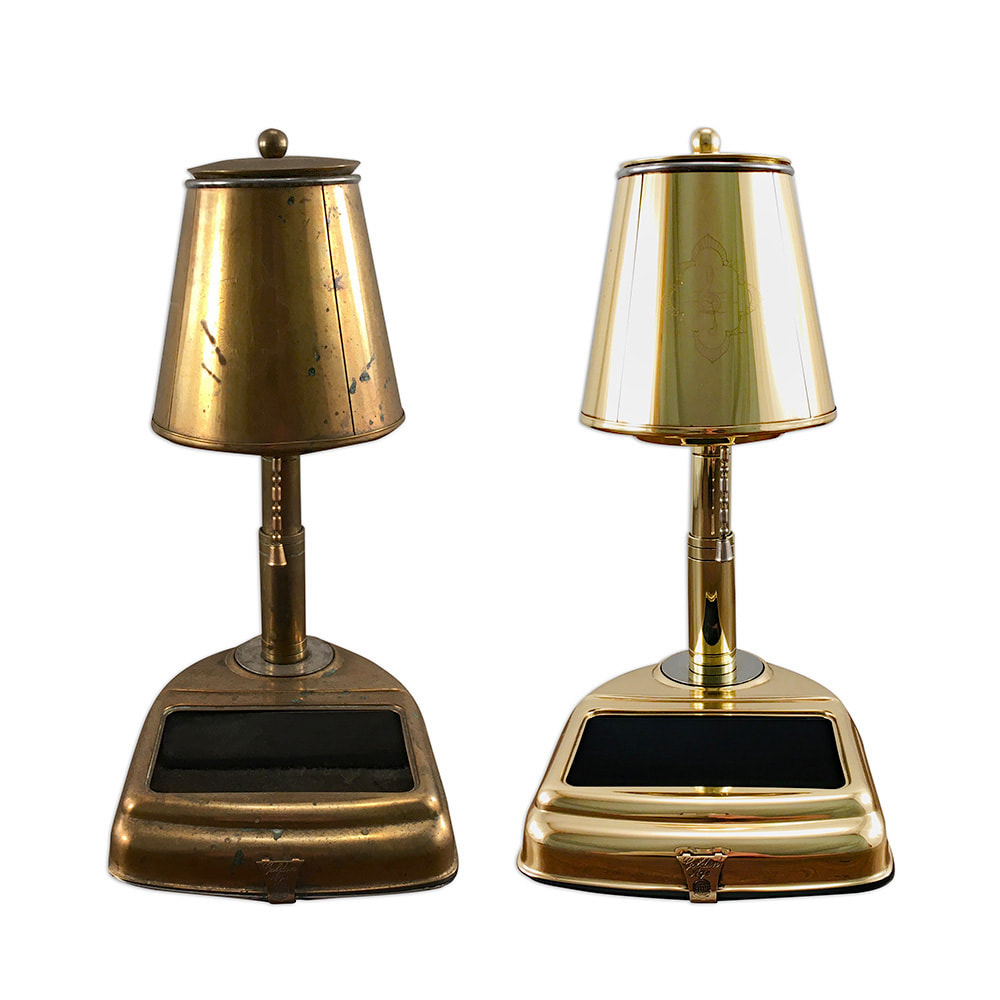
BRASS, COPPER, AND BRONZE RESTORATION SERVICESDiscover professional brass, copper, and bronze restoration at Chelsea Plating Company. We offer a range of expert services from basic cleaning to complete restoration of antique metals. Our expertise includes brass door hardware refinishing, copper cookware re-tinning, and applying specialized finishes such as patination and oil-rubbed bronze. Our skilled artisans are dedicated to restoring your valuable metal pieces, be they bronze sculptures or brass plumbing fixtures, while maintaining their historical and aesthetic qualities. Whether it's an heirloom or a practical item, our thorough restoration process ensures that each piece is returned to its original beauty and function.
|
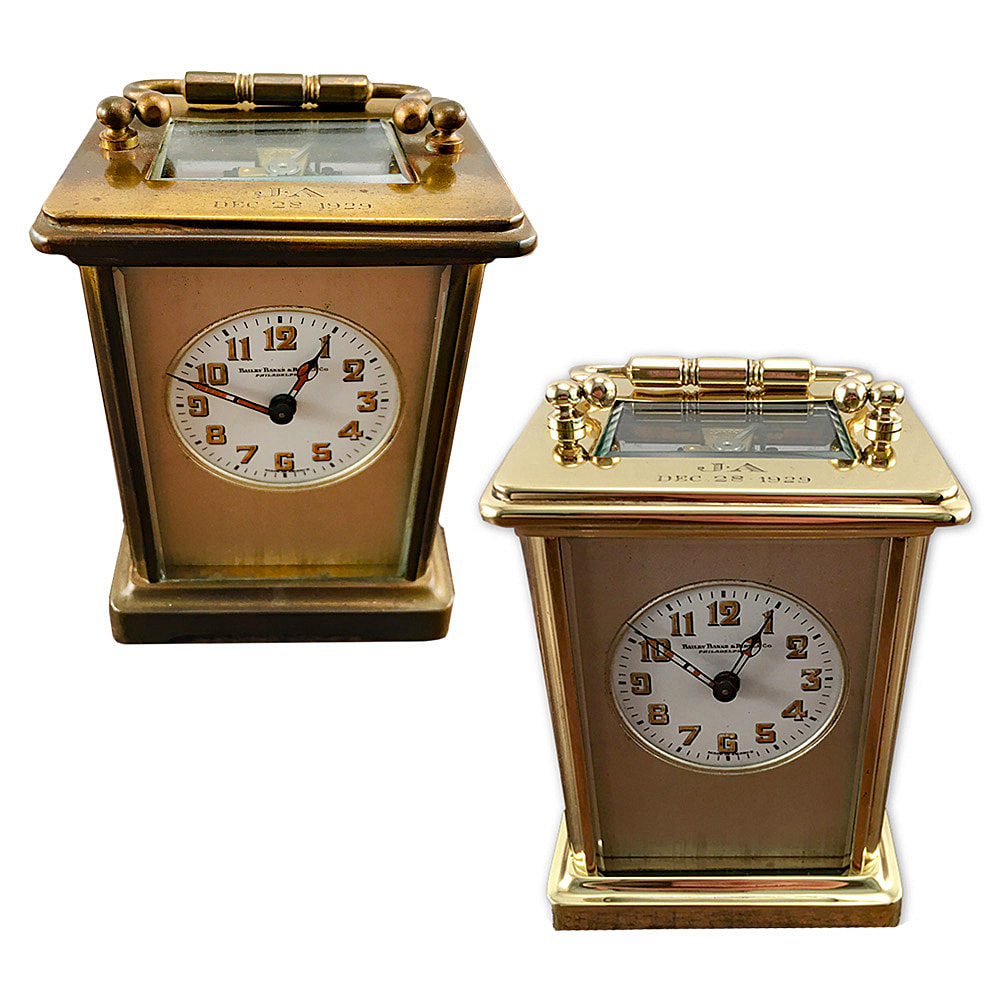
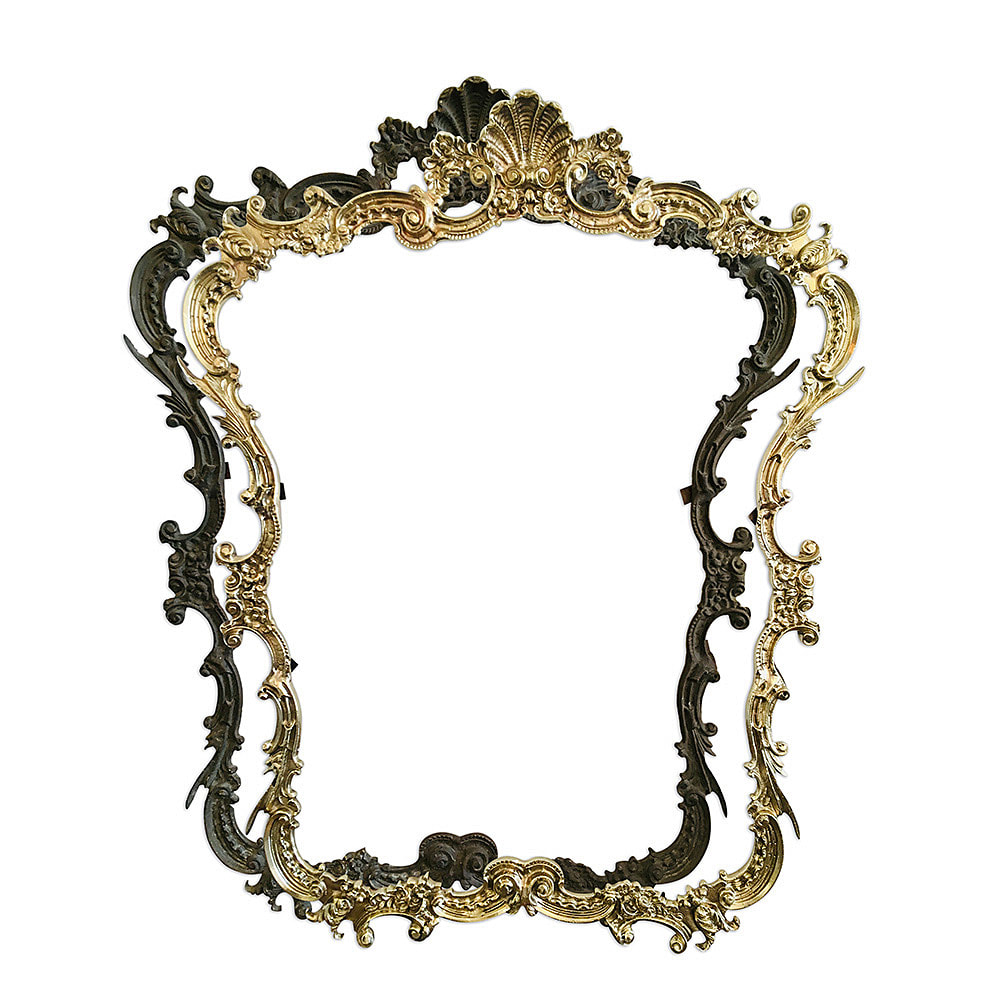
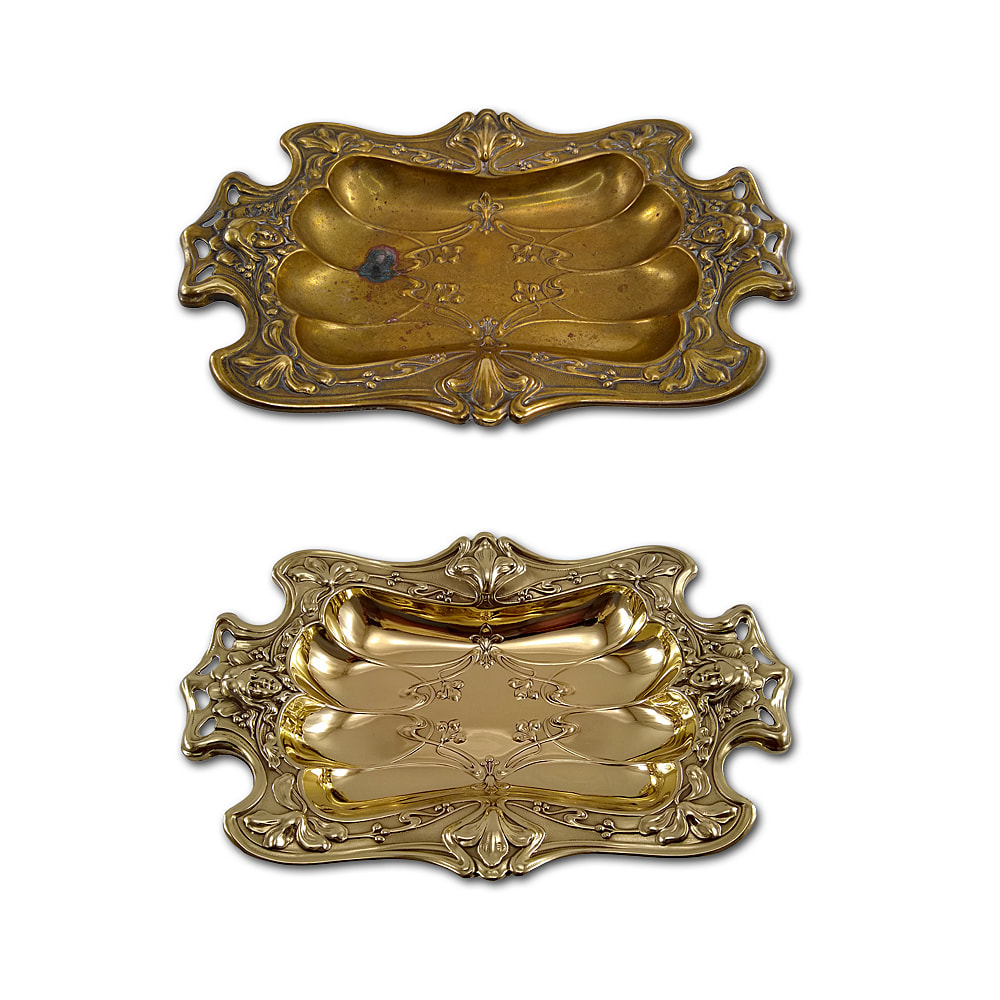
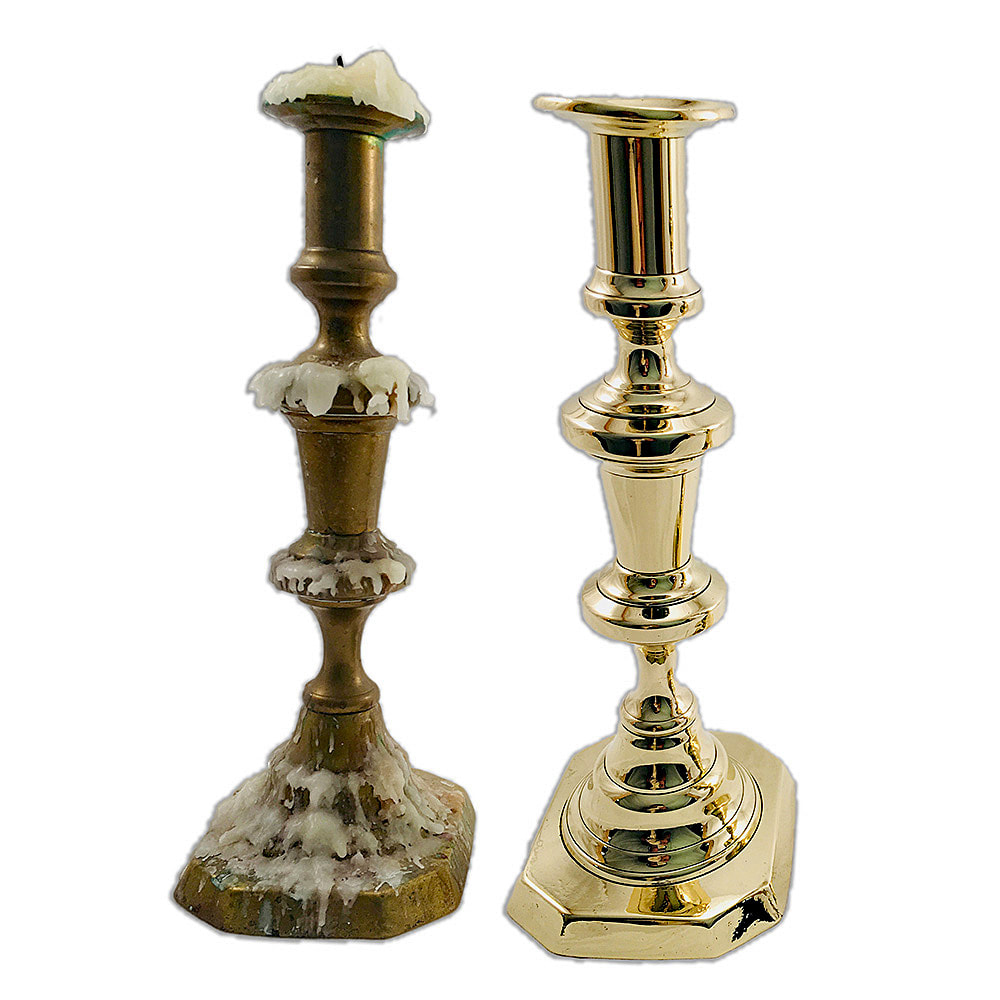
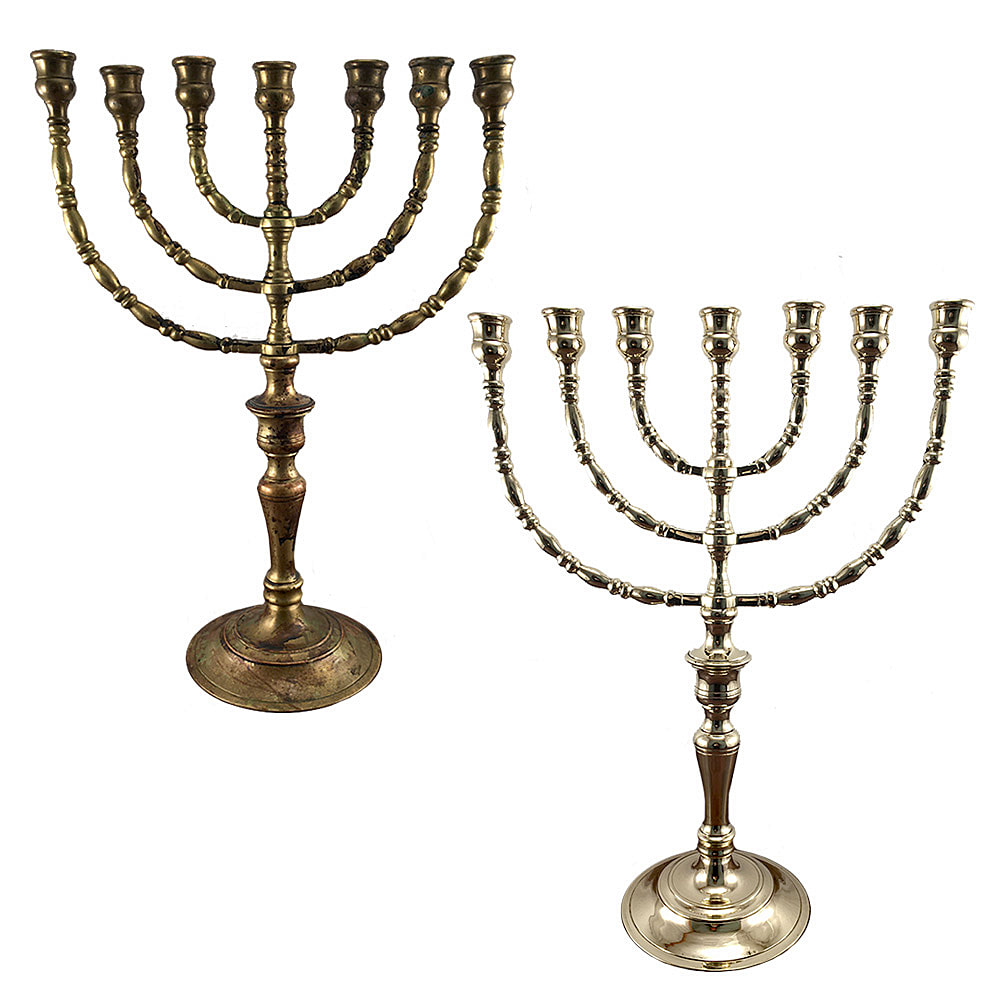
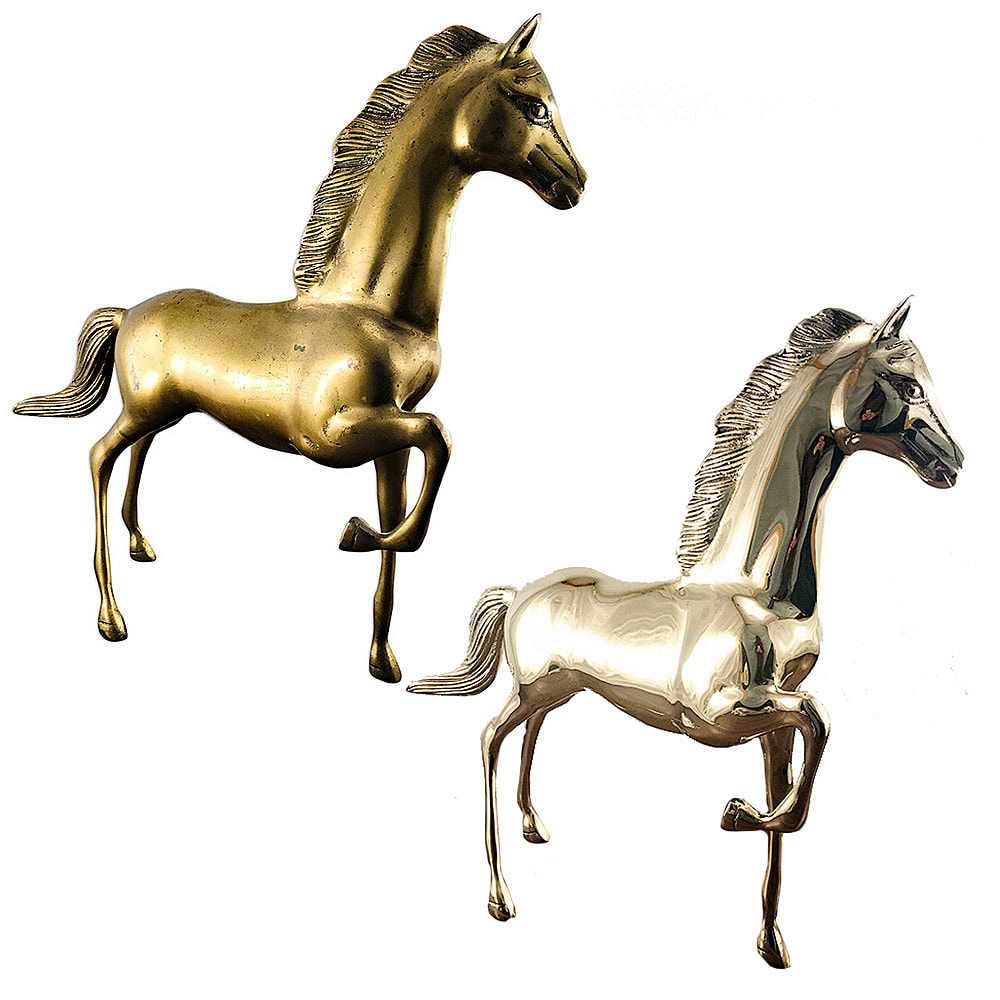
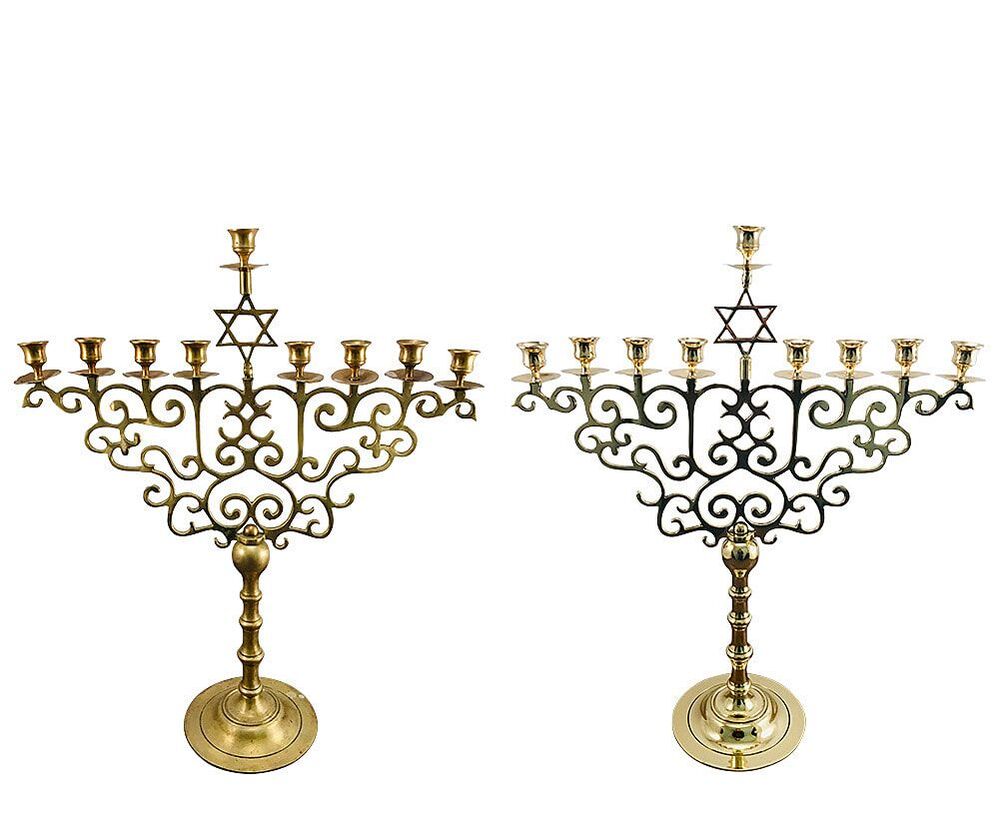
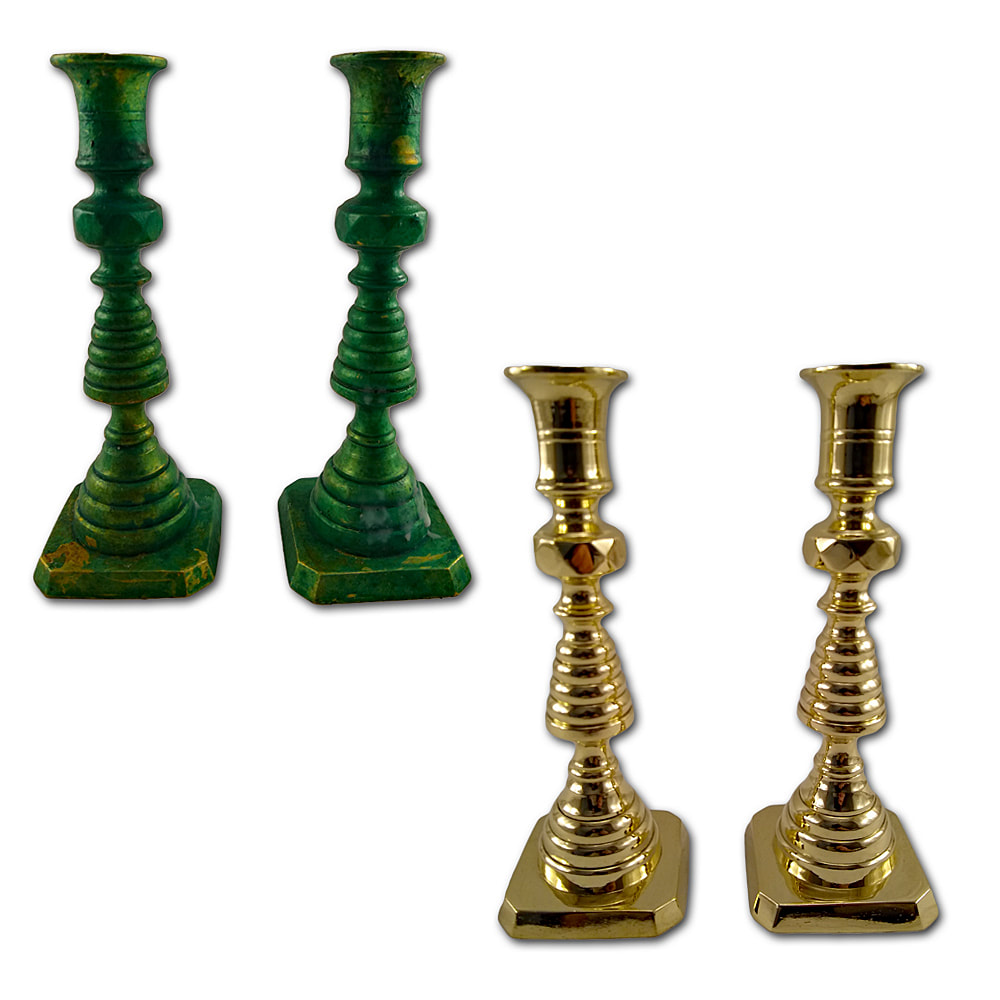
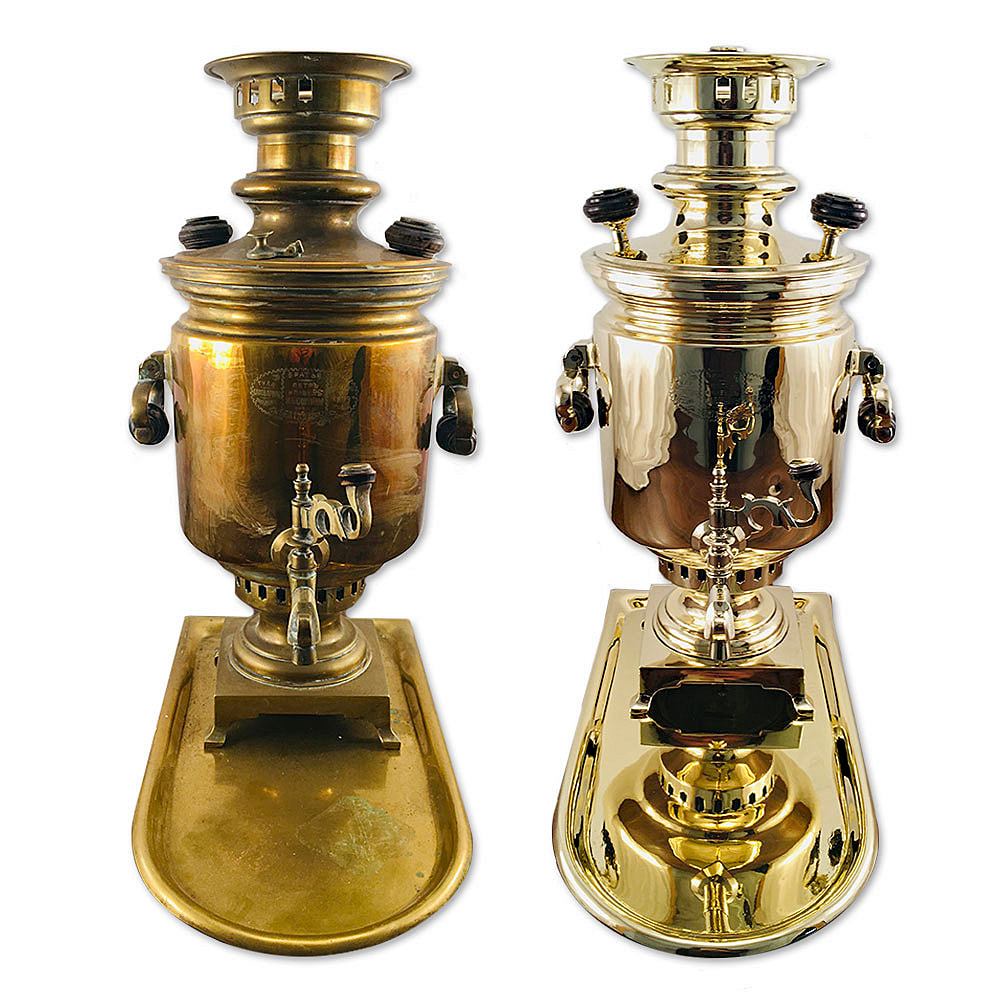
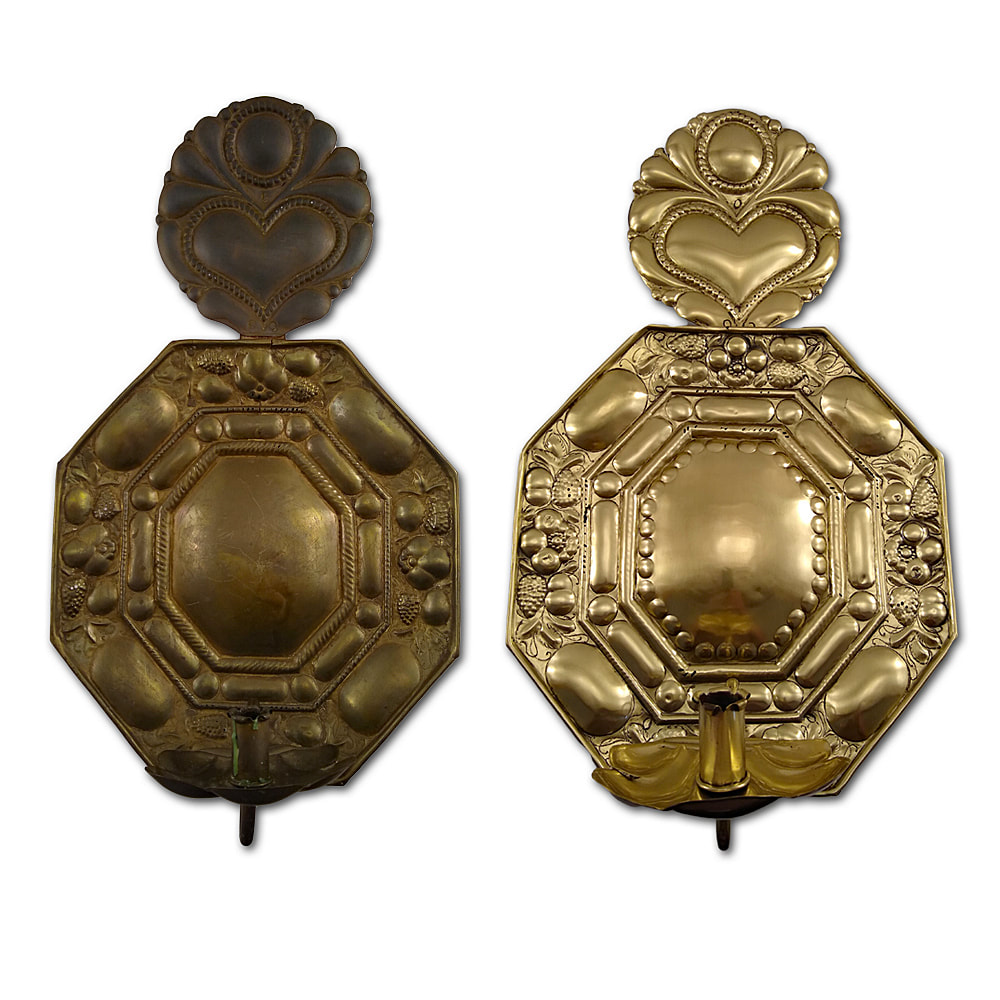
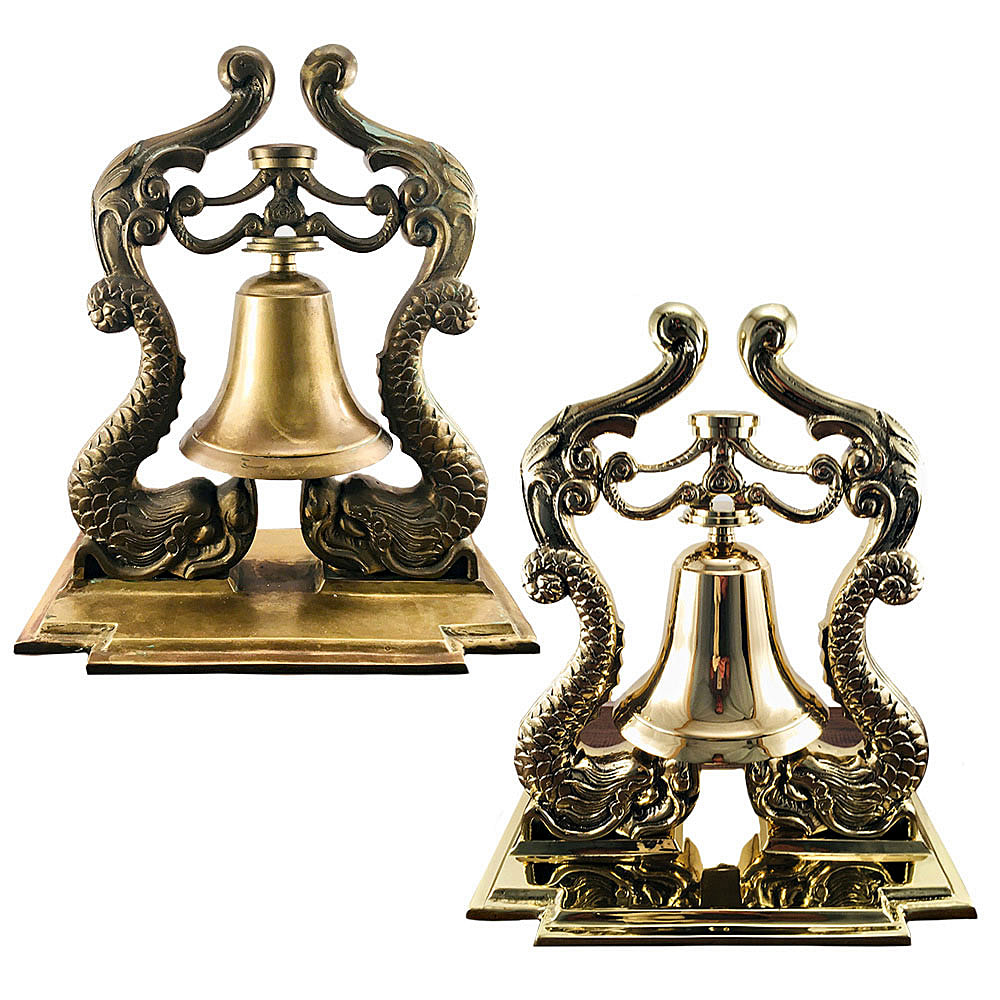
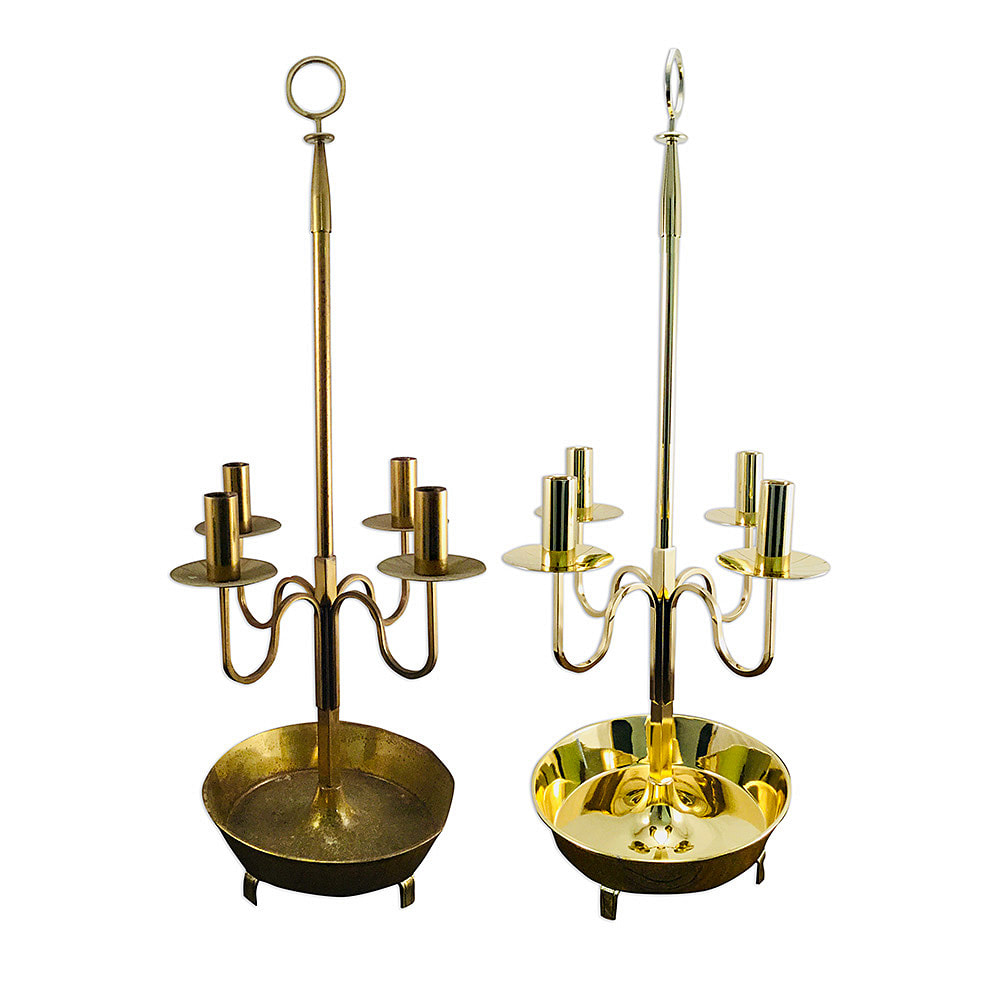
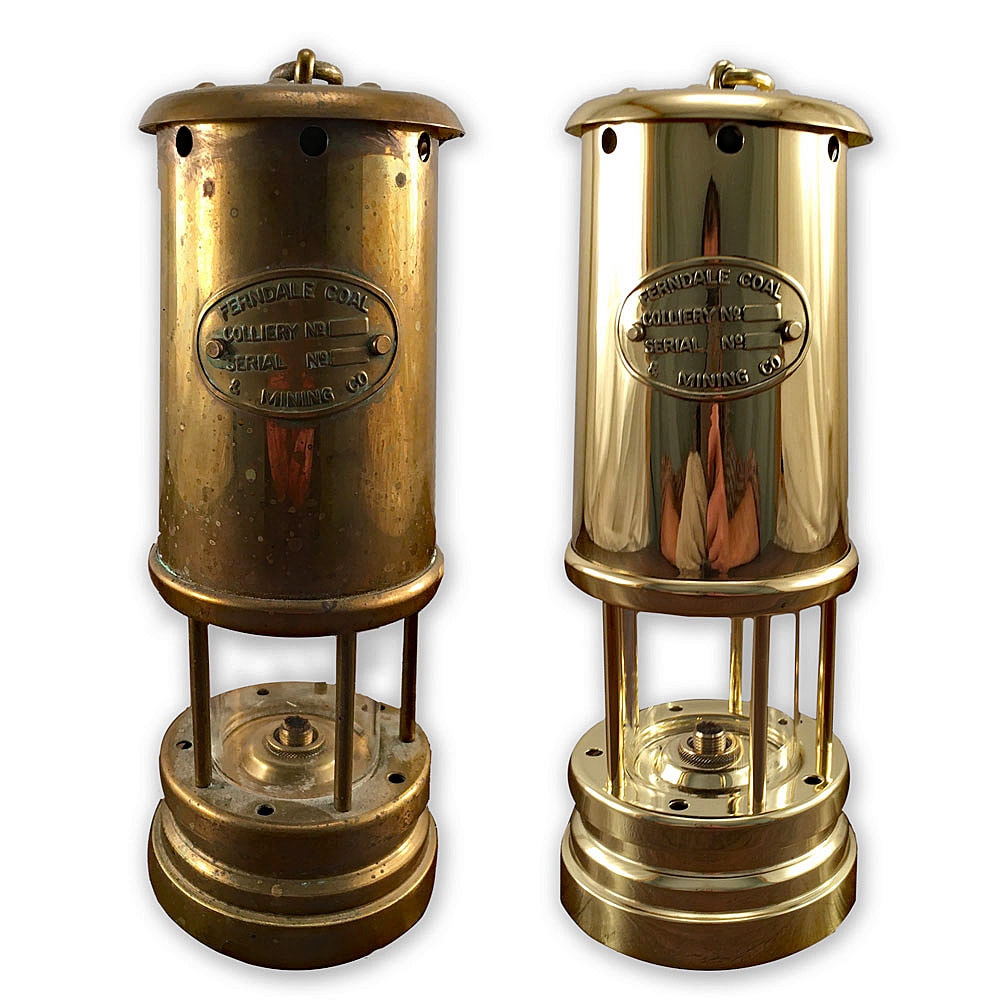
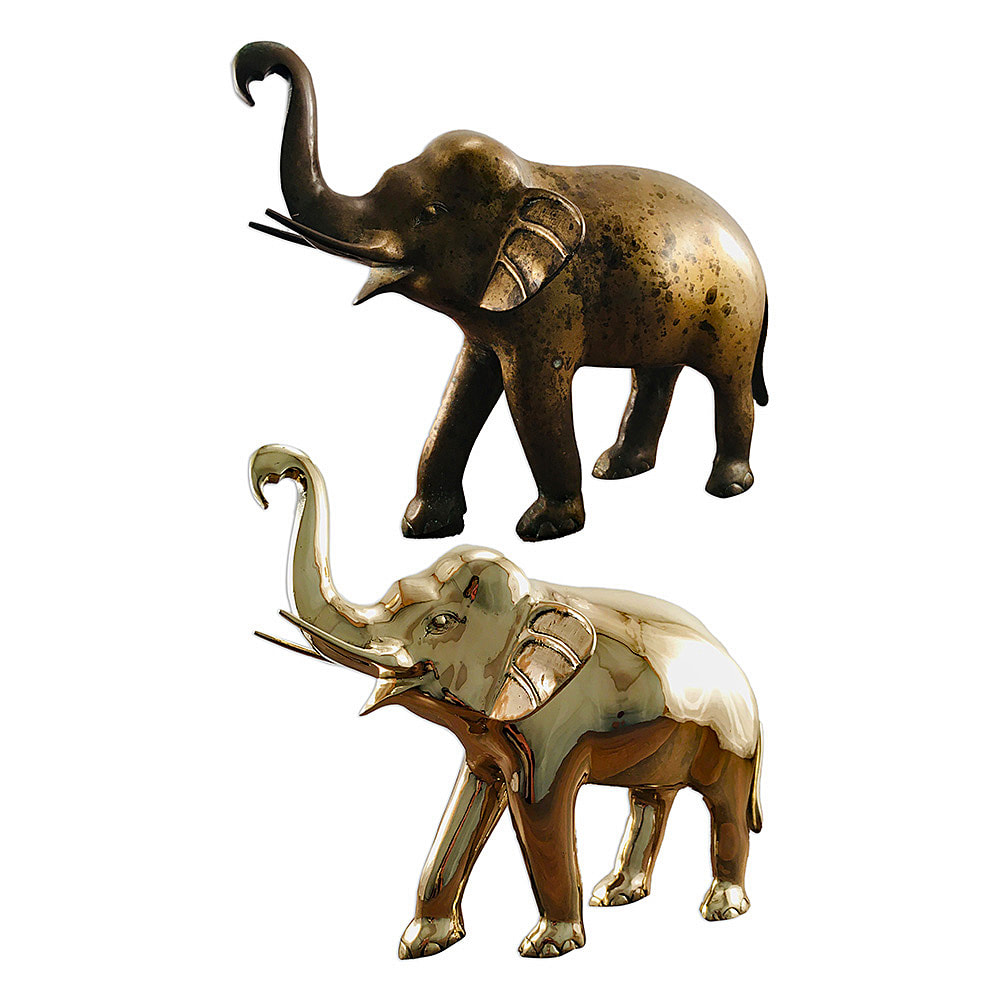
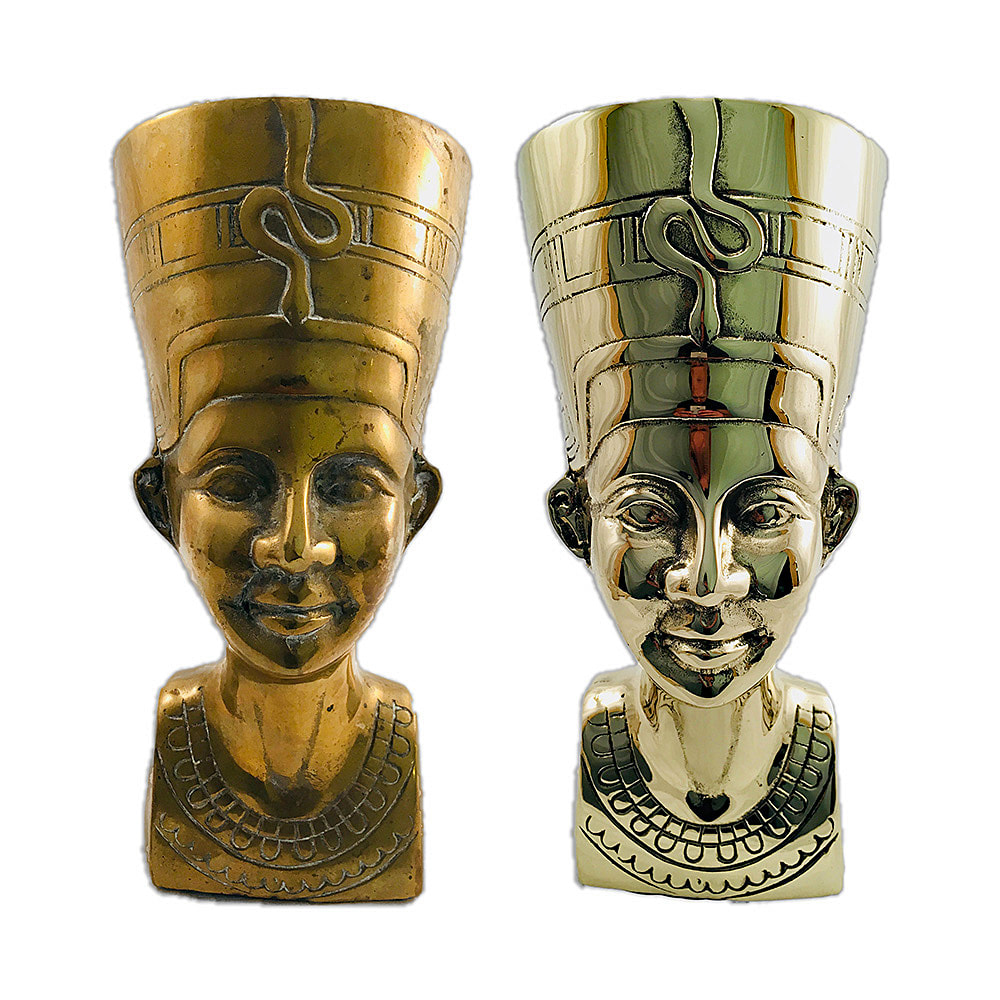
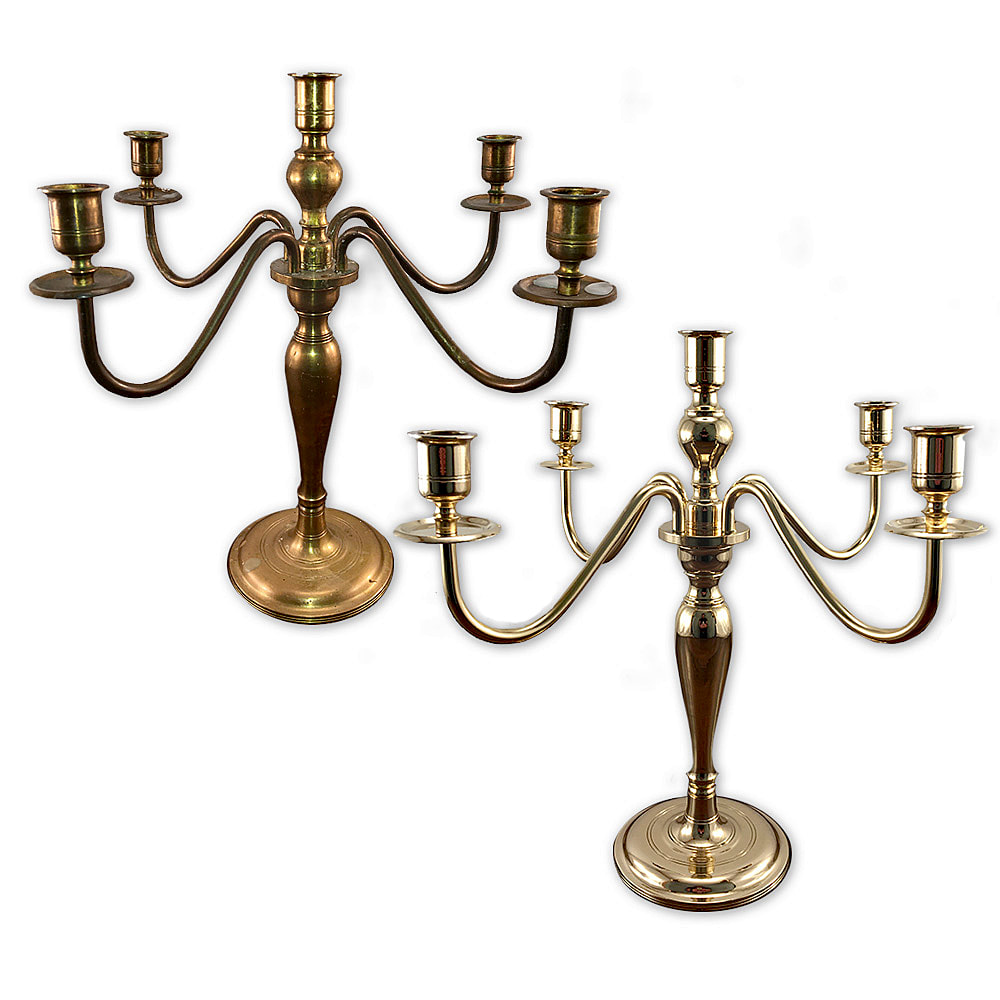
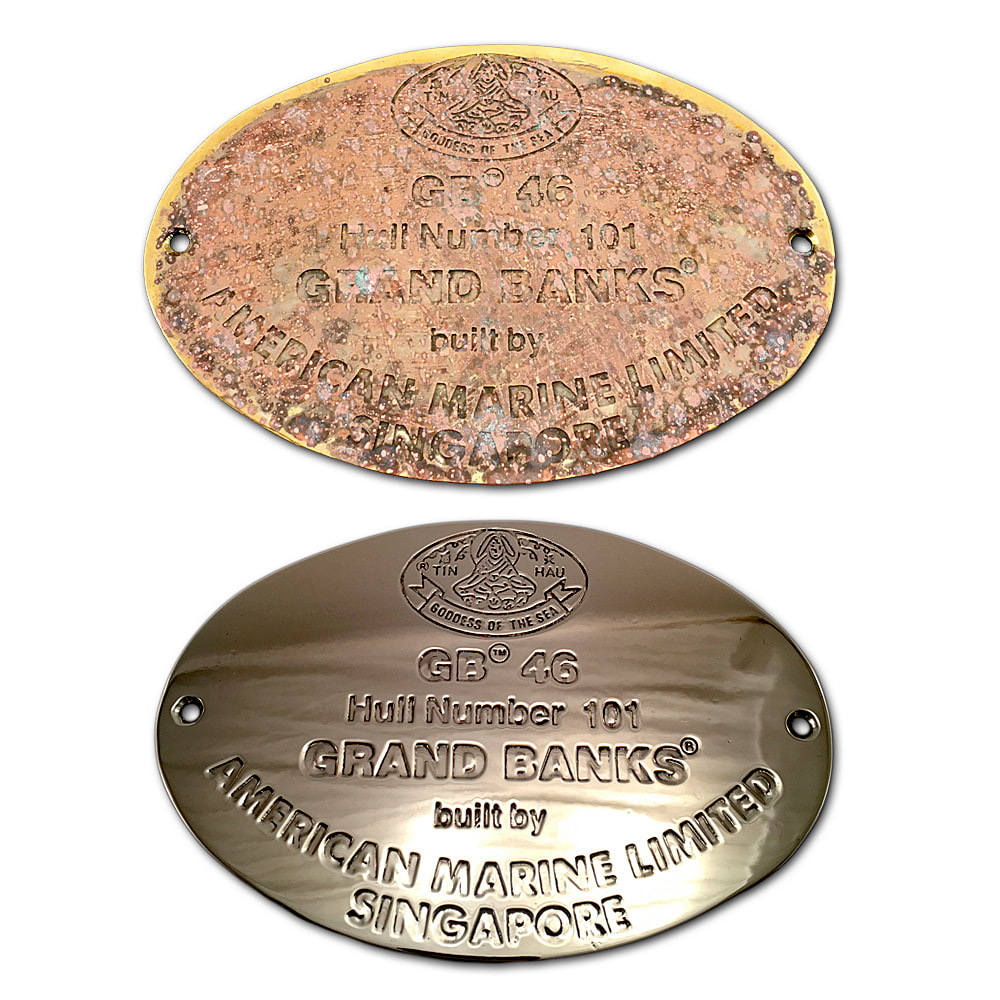
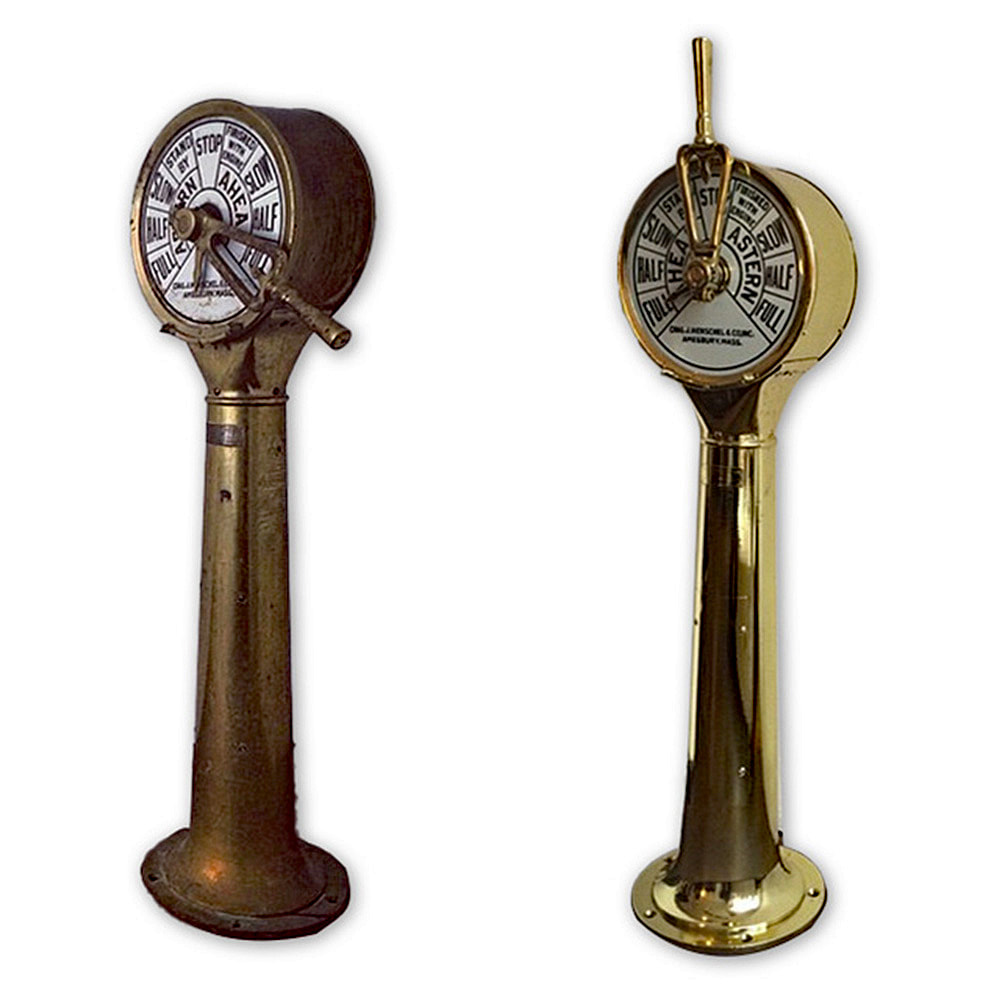
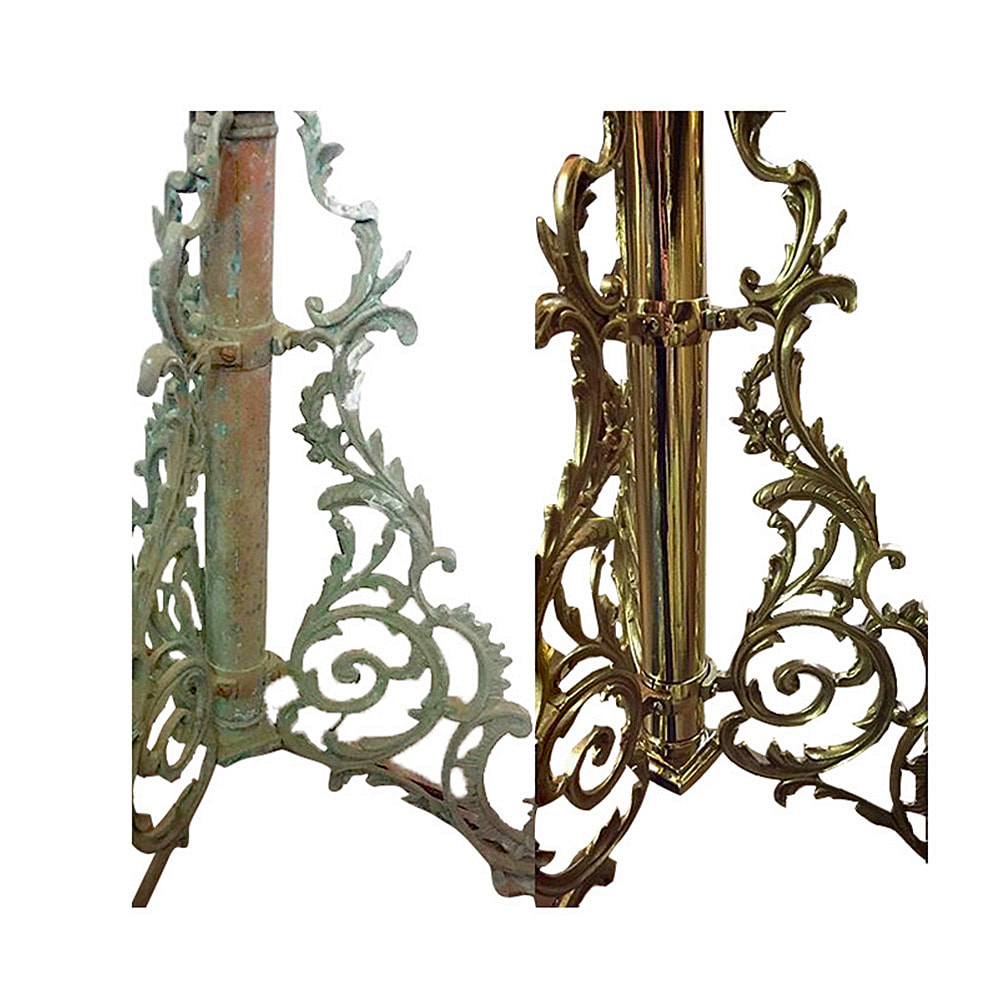
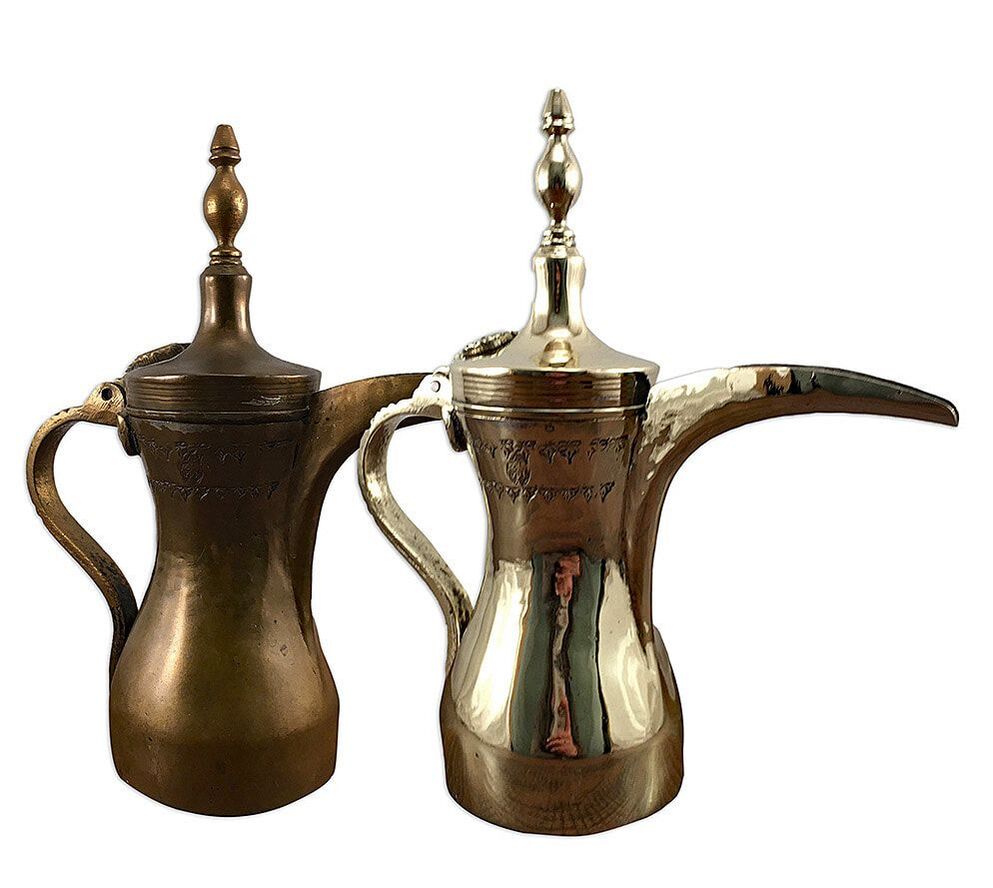
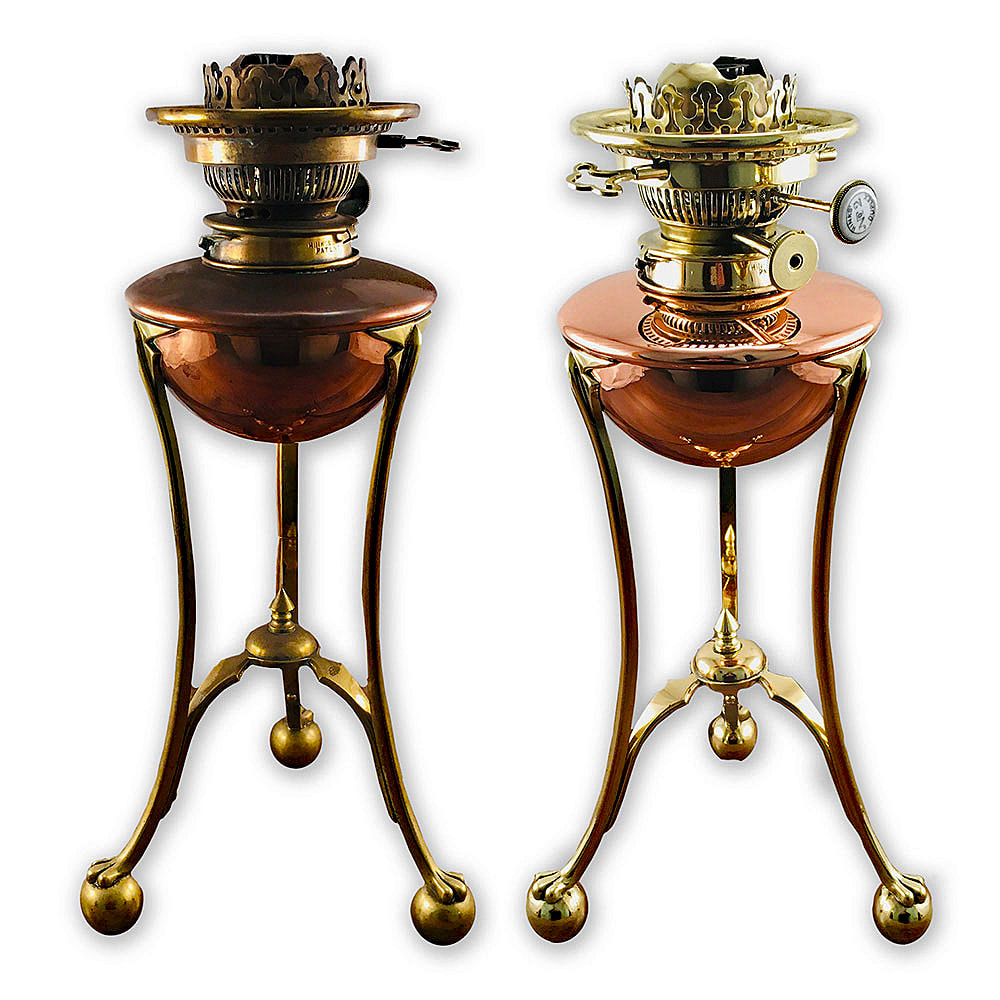
BRASS CLEANING AND POLISHING FOR TIMELESS ELEGANCETransform your brass items with our professional cleaning and polishing services. Specializing in both contemporary and antique brass, we bring back the luster and shine that define the elegance of your pieces. Our process begins with a detailed assessment of each item to determine the most appropriate cleaning and polishing techniques. We carefully remove tarnish, oxidation, and surface dirt using gentle yet effective methods that preserve the integrity of the brass. Our skilled artisans then polish the items to restore their natural brilliance, enhancing intricate details and achieving a flawless finish. Whether it's a decorative brass artifact or a functional piece, we handle each item with care and precision, ensuring that the restored brass retains its elegance and beauty. At Chelsea Plating Company, our commitment to excellence ensures that your brass items are revitalized and protected, allowing them to be cherished for years to come.
|
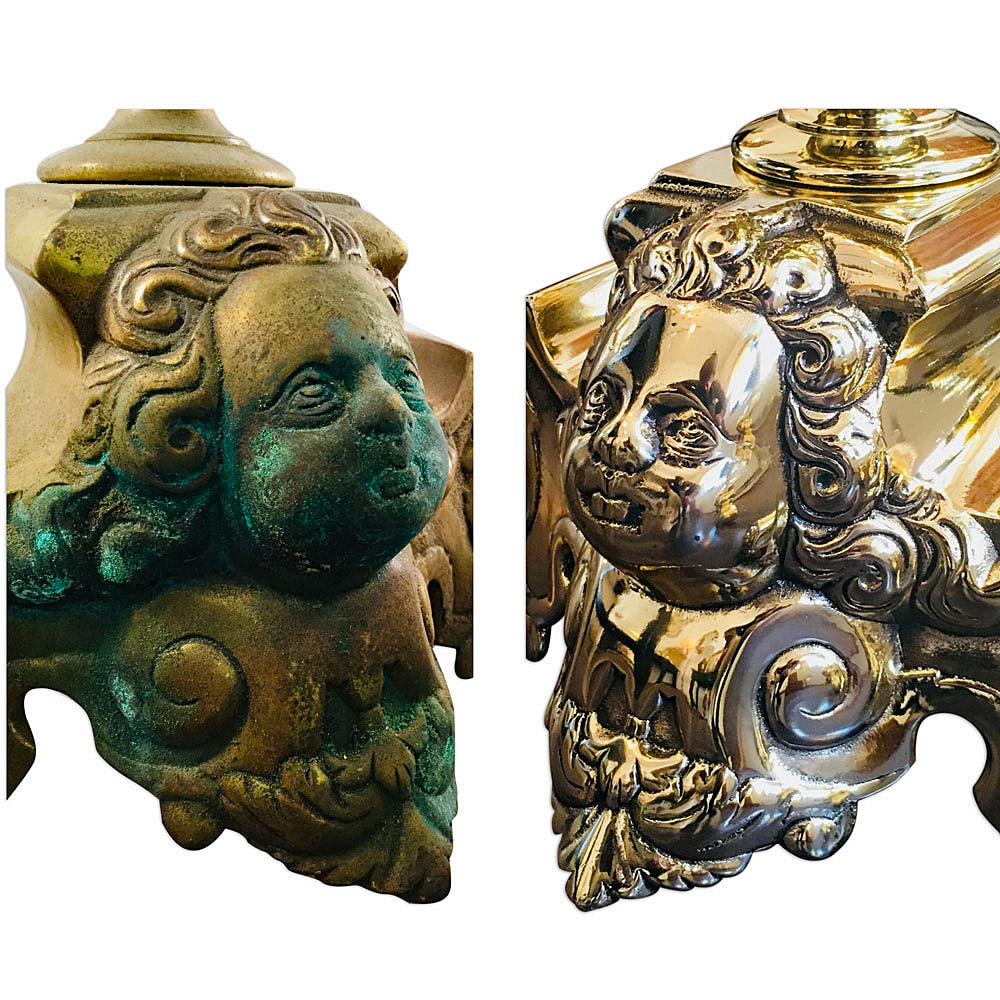
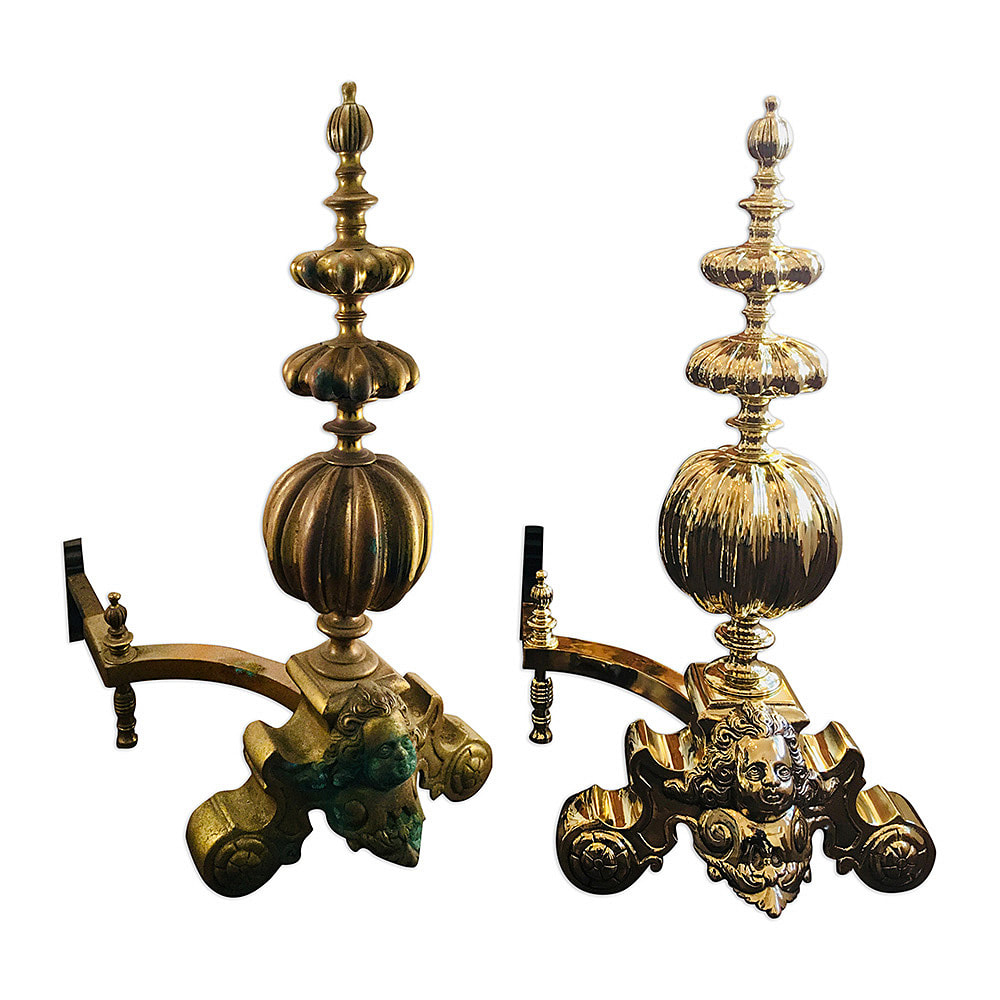
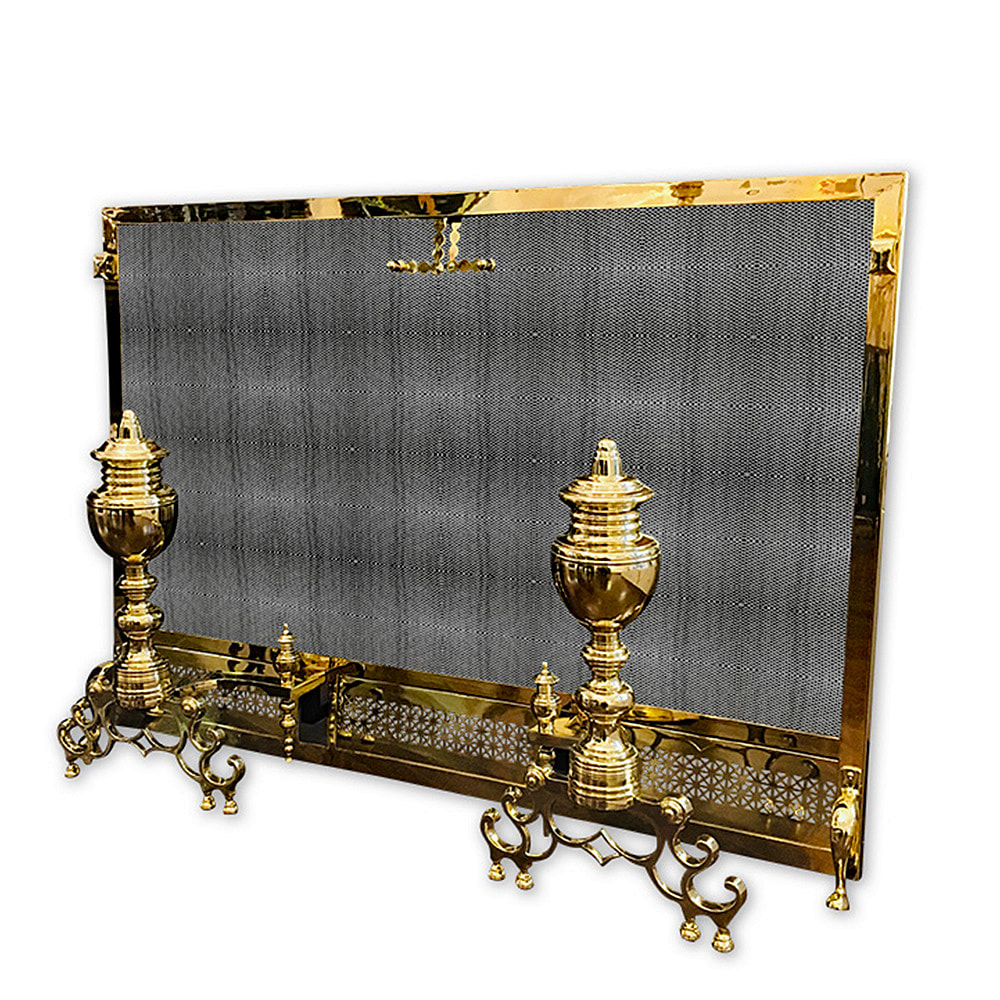
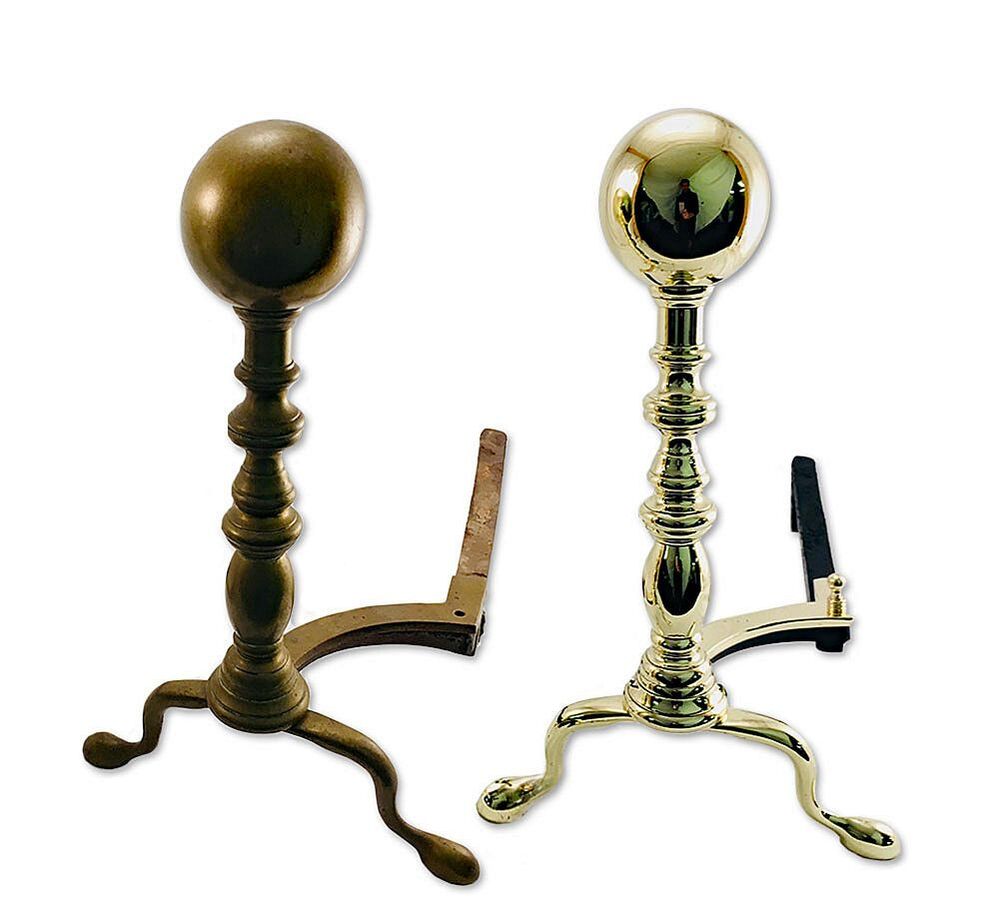
Intricate Elegance Revealed: Restored Antique Brass Andiron by Chelsea Plating Co.
|
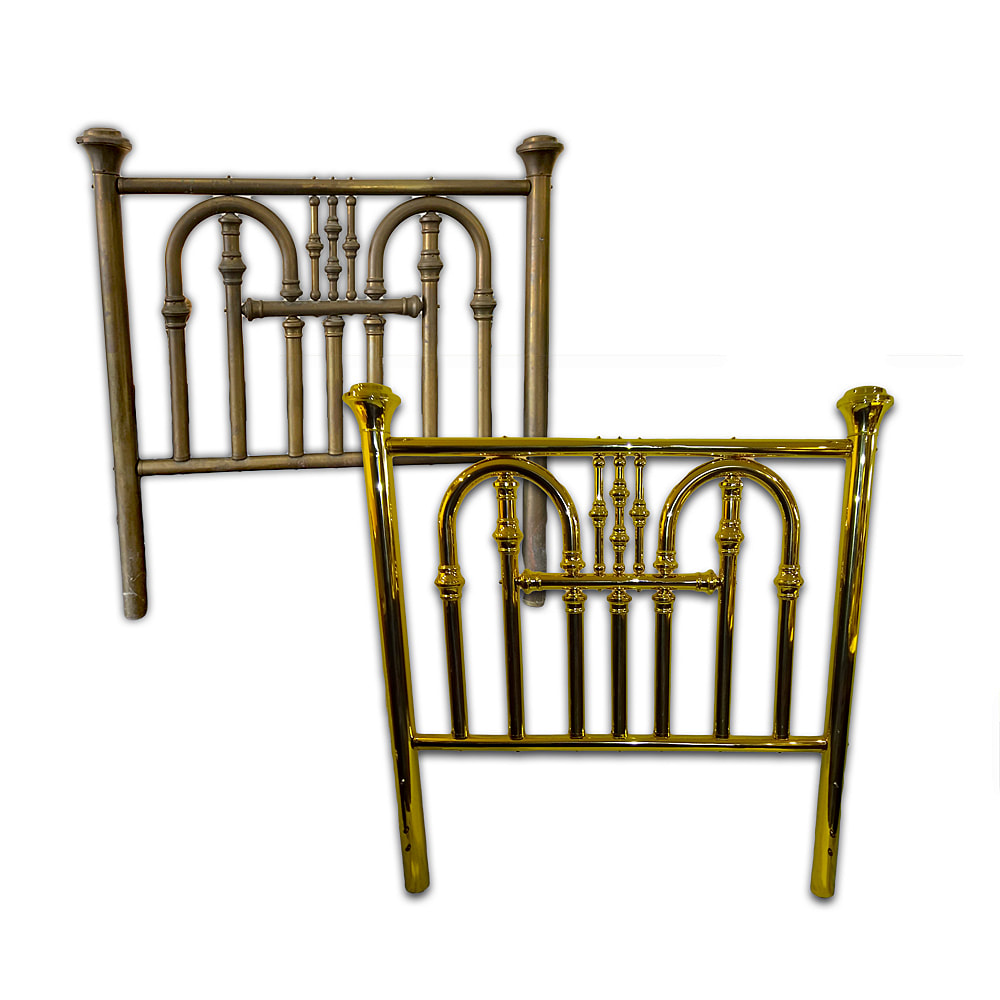
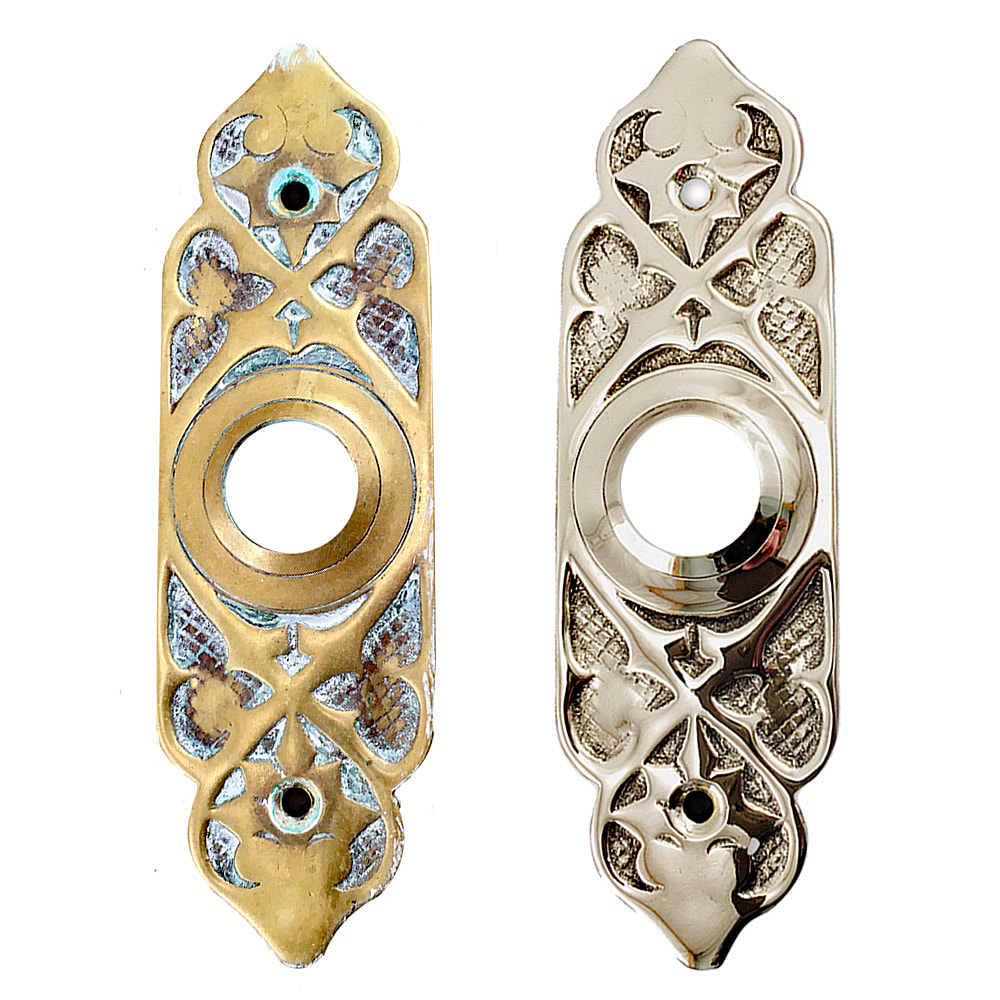
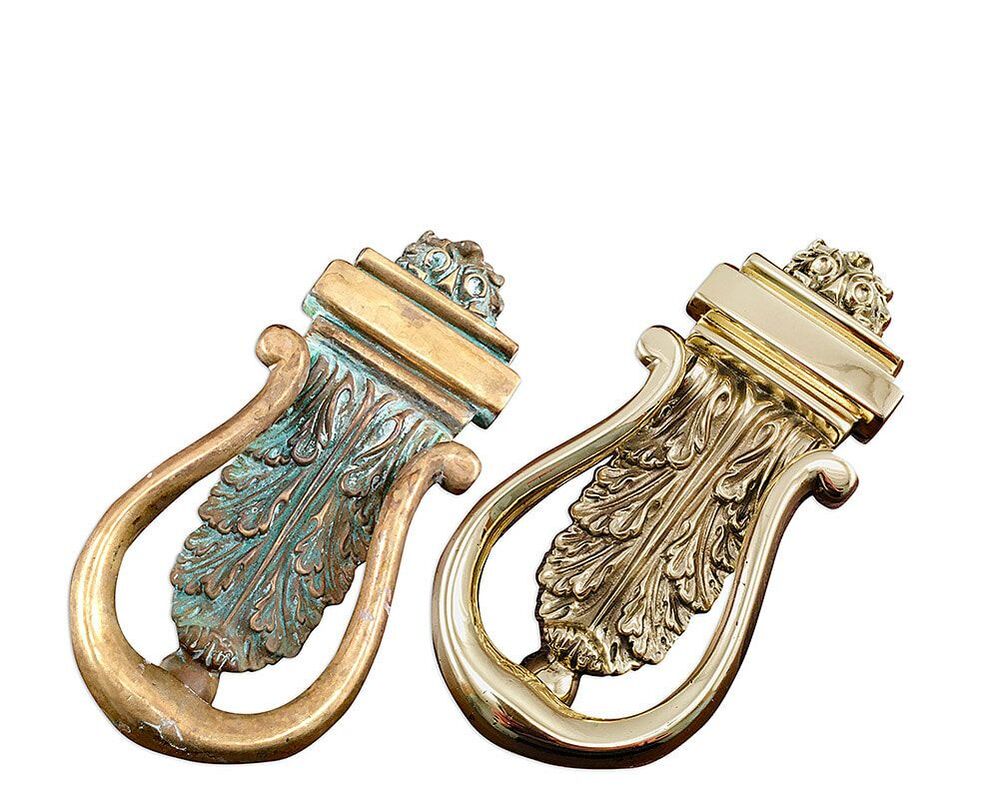
RESTORATION OF BRASS DOOR HARDWARE AND FIREPLACE ACCESSORIESElevate your home's ambiance with our restoration services for brass door hardware and fireplace accessories. Our specialized techniques breathe new life into these functional yet decorative pieces, restoring their original charm and elegance. We cater to a range of styles, ensuring your home's fixtures and fittings reflect your aesthetic. Our process begins with a thorough inspection to assess the condition of each piece and determine the most suitable restoration methods. We carefully clean and polish the brass to remove tarnish and oxidation, revealing its natural beauty. For damaged or worn parts, our skilled artisans perform meticulous repairs, including re-soldering and replacing missing components. We also offer custom finishes to match your desired look, whether it's a classic patina or a modern polished shine. At Chelsea Plating Company, we are dedicated to preserving the integrity and enhancing the beauty of your brass door hardware and fireplace accessories, ensuring they complement your home's design and continue to impress for years to come.
|
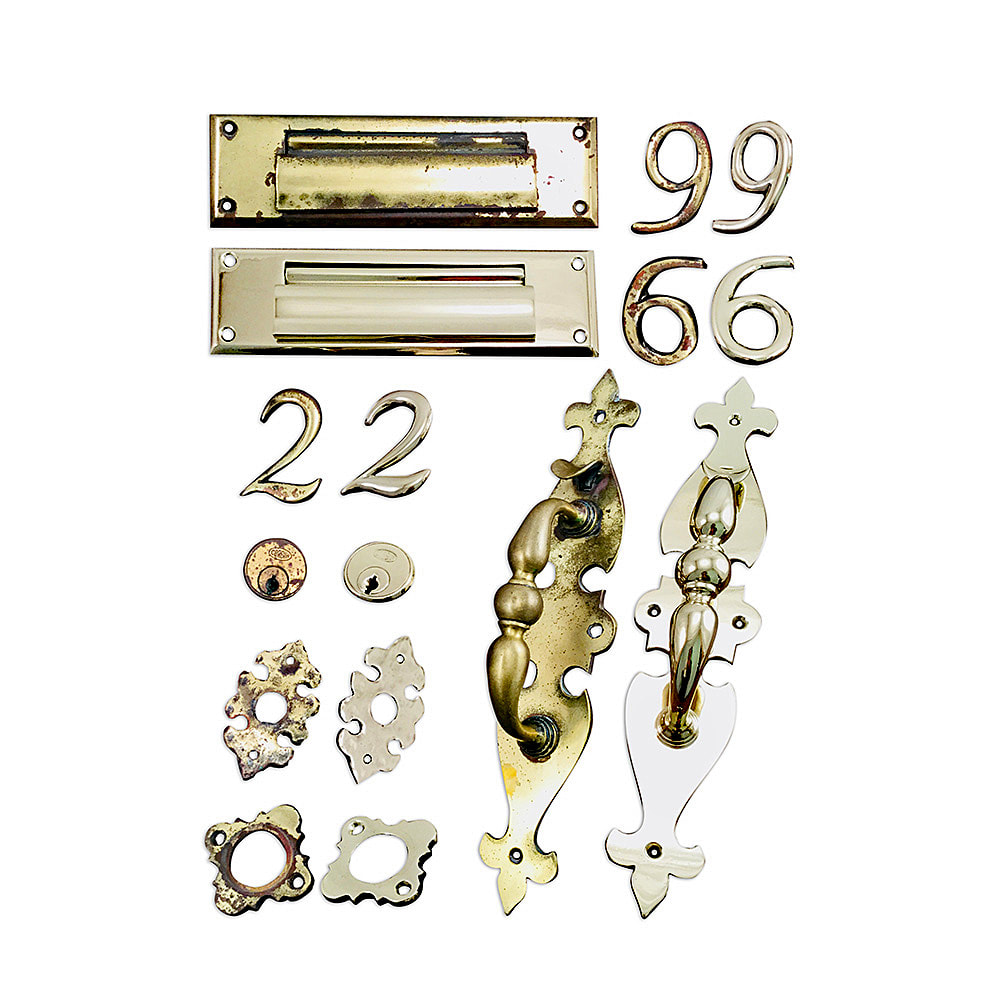
Architectural Revival: Antique Brass Hardware Restored to Timeless Sophistication by Chelsea Plating Co.
|
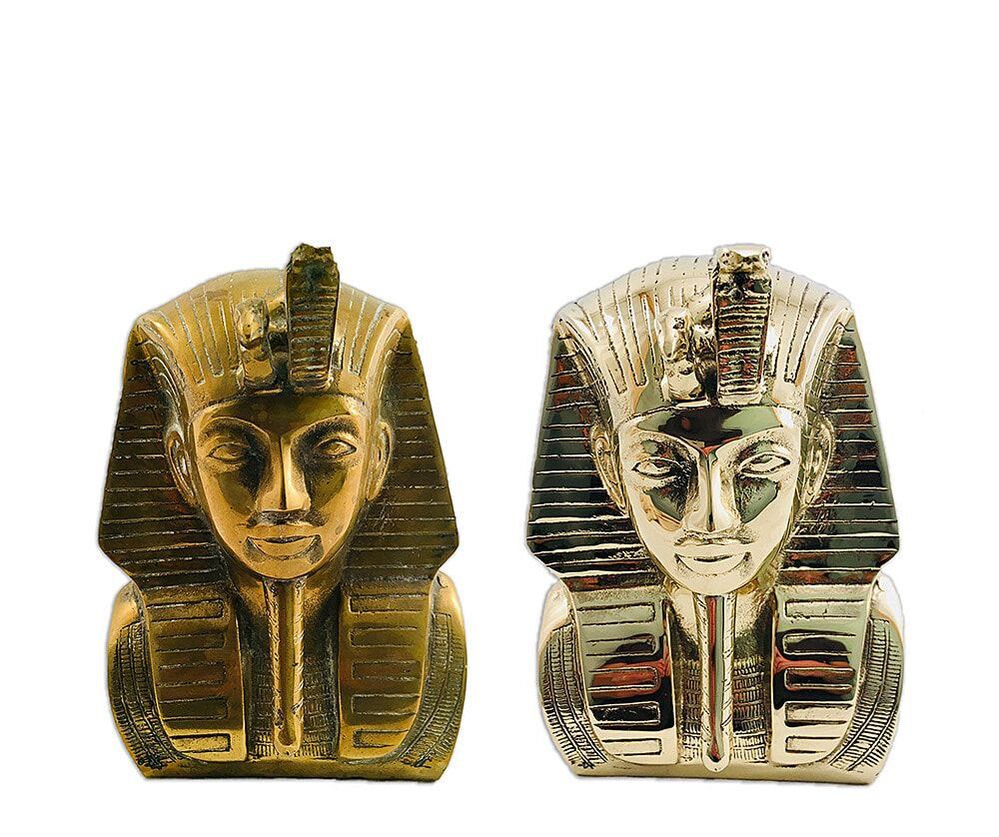
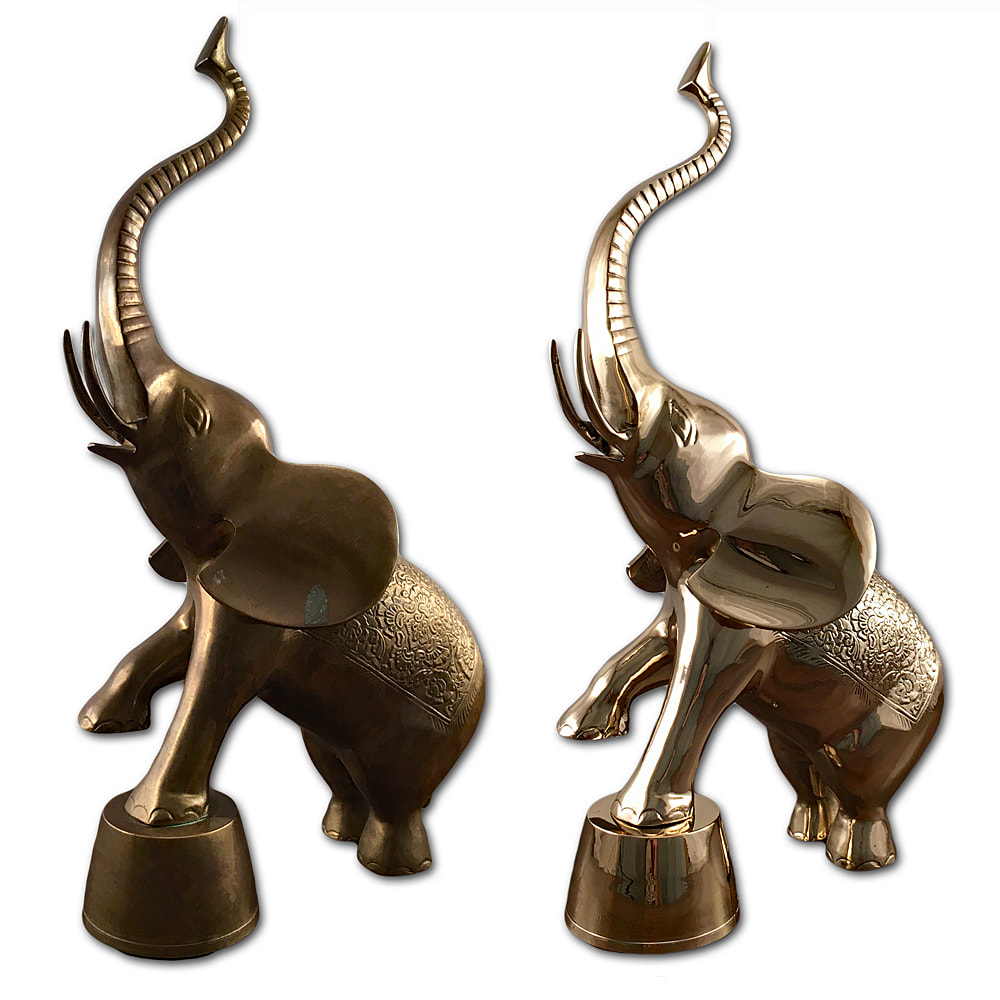
BRONZE SCULPTURE REPAIR AND REFINISHINGOur expertise in bronze sculpture repair and refinishing is unmatched. We take pride in our ability to restore the intricate details of your bronze sculptures, ensuring they retain their artistic and historical integrity. From minor repairs to complete refinishing, our approach is tailored to honor the original craftsmanship of each piece. Our process begins with a thorough assessment to identify areas of damage, wear, and patina loss. We use specialized techniques to clean the bronze surface, removing any corrosion or buildup while preserving the underlying material. For repairs, our skilled artisans use methods such as welding and brazing to mend cracks and breaks, carefully matching the original finish. We then apply patination and protective coatings to enhance and preserve the bronze's natural beauty. At Chelsea Plating Company, we understand the cultural and sentimental value of your bronze sculptures, and we are dedicated to providing restoration services that maintain their authenticity and timeless appeal.
|
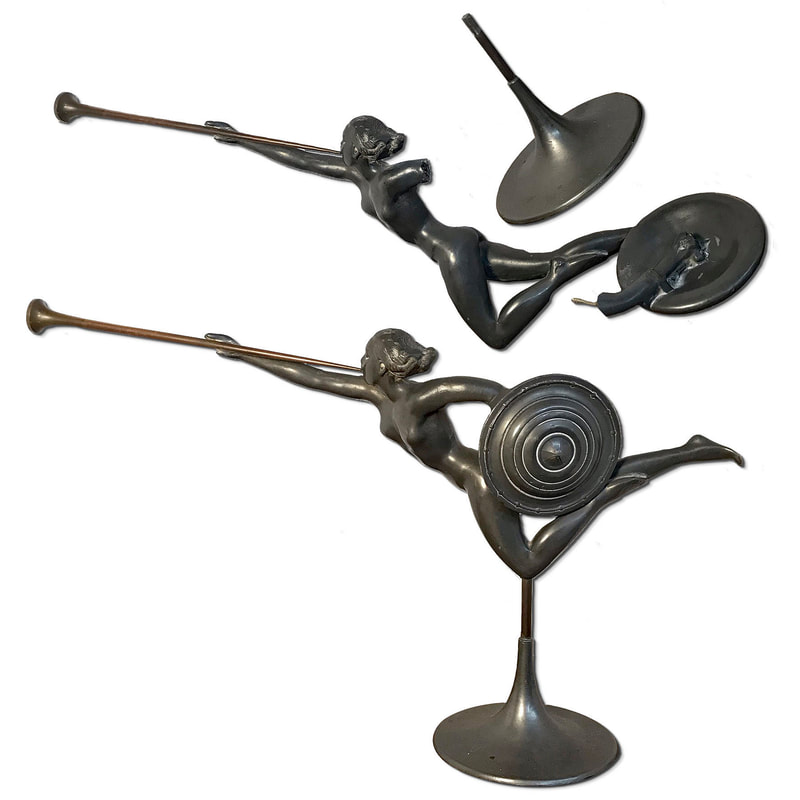
Artistic Revival: Majestic Bronze Figurine Meticulously Restored to its Original Grandeur.
|
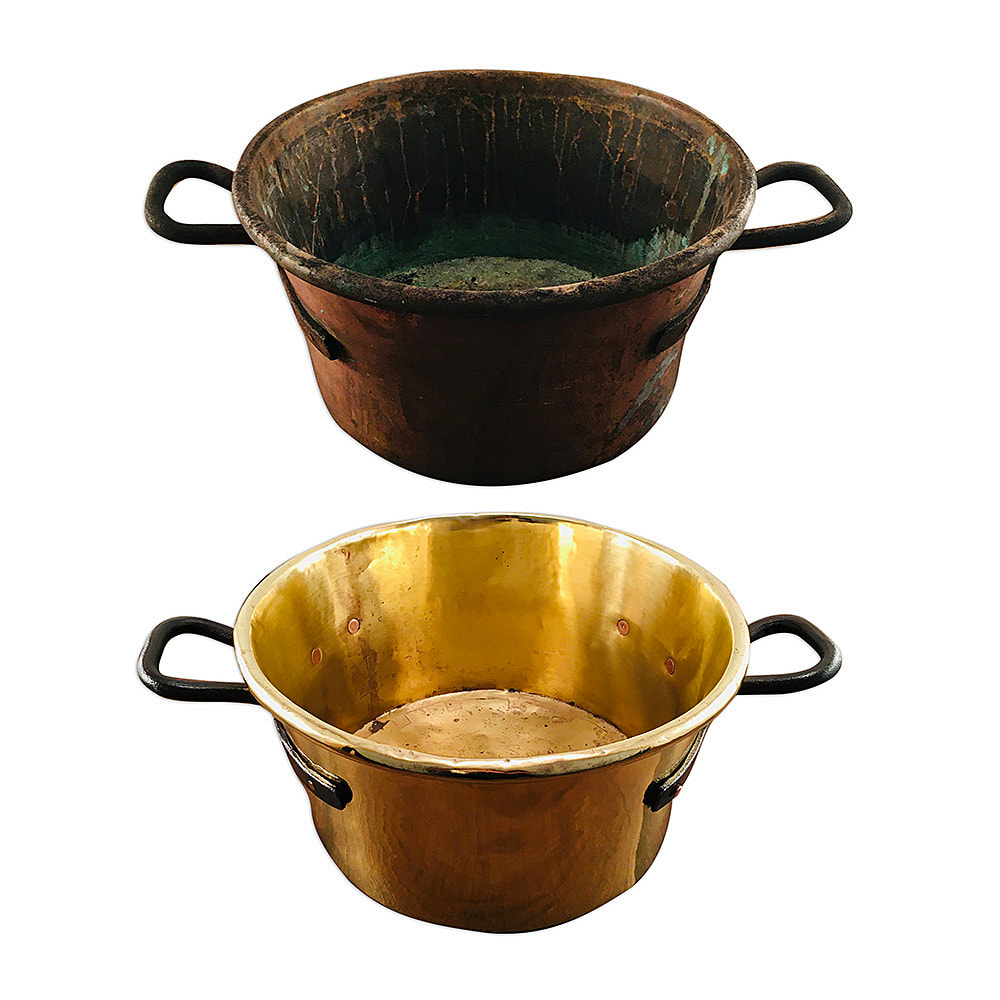
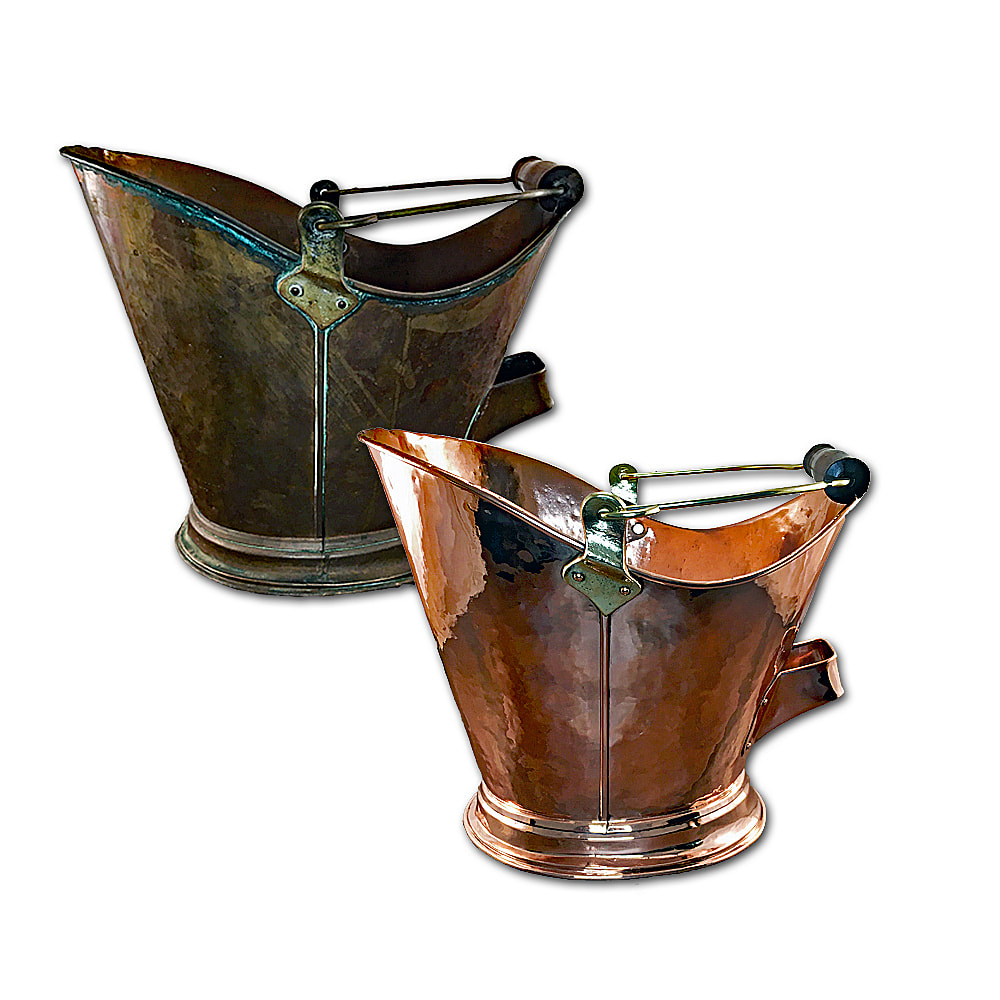
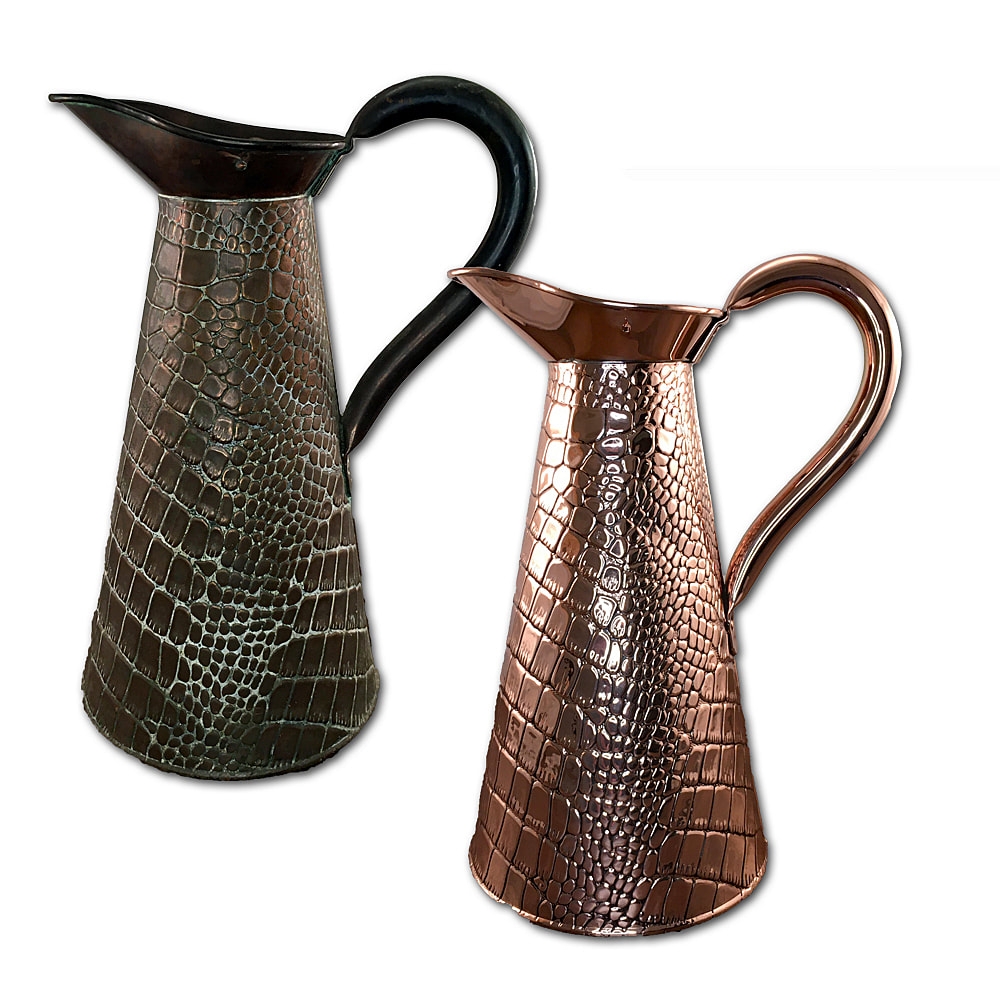
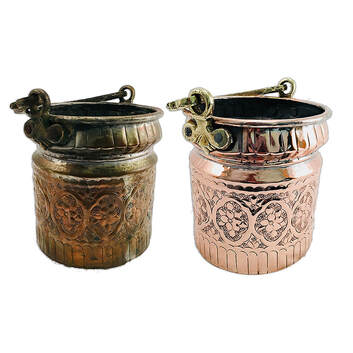
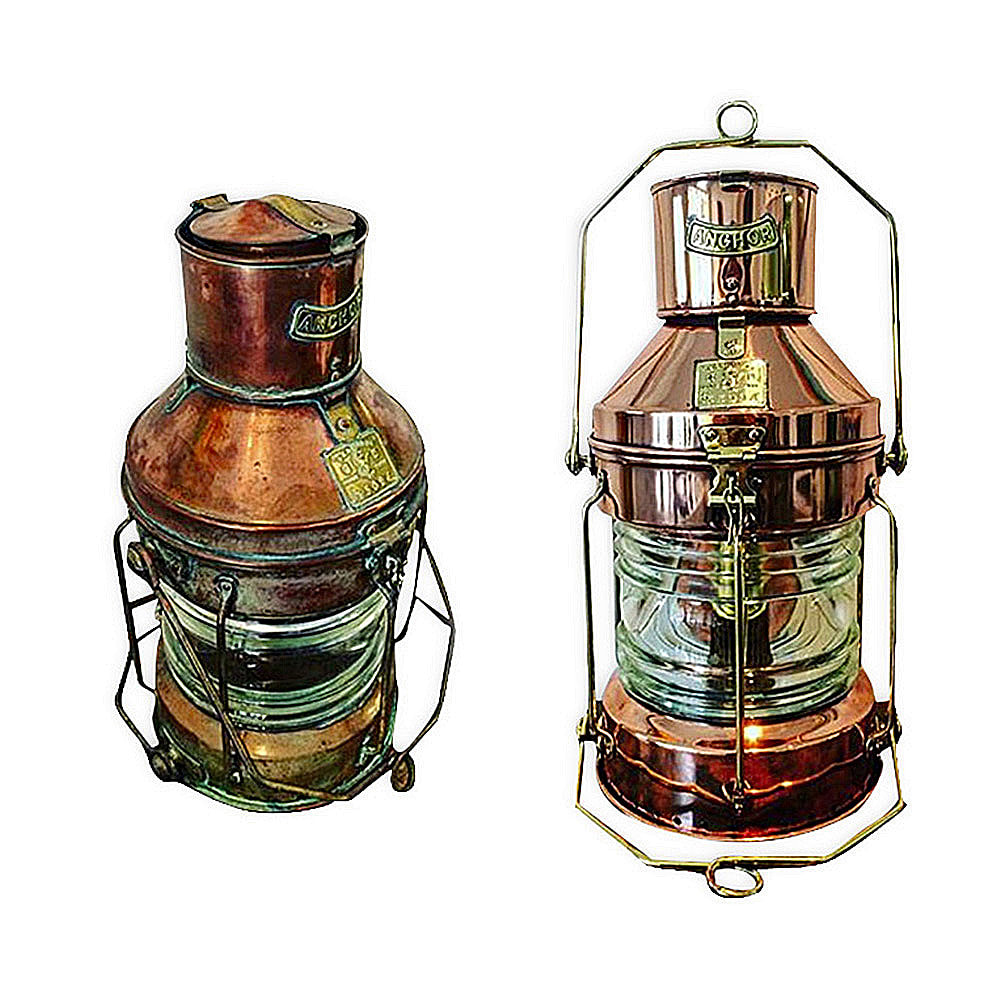
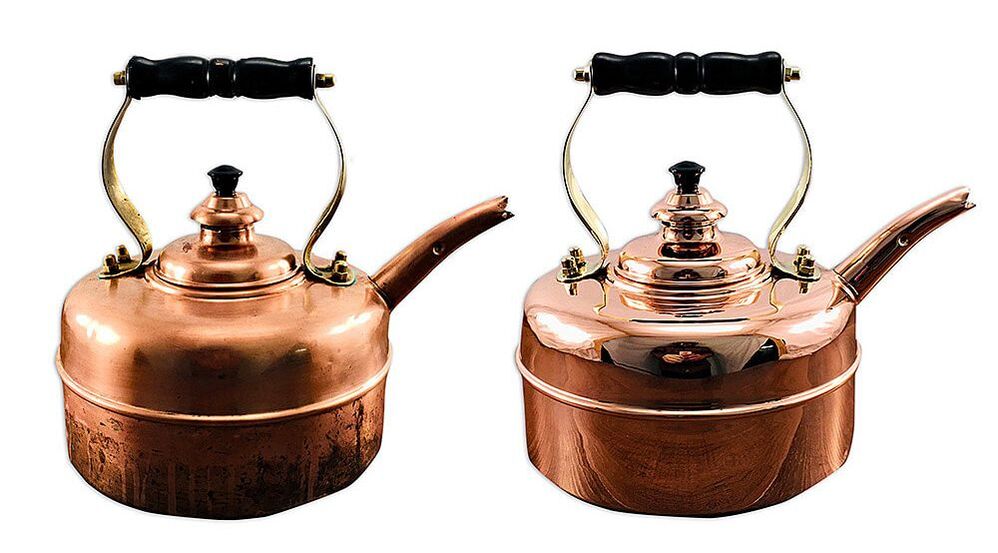
RE-TINNING AND POLISHING SERVICES FOR COPPER COOKWARERevitalize your copper cookware with our professional re-tinning and polishing services. At Chelsea Plating Company, we understand the value of both aesthetics and functionality in culinary antiques. Our skilled artisans carefully restore your copper cookware, enhancing its durability and luster for both culinary excellence and display. The process begins with a thorough cleaning to remove any residues and tarnish, followed by stripping the old tin lining. We then apply a new, even layer of tin using traditional hand-wiping techniques to ensure optimal coverage and longevity. This re-tinning process not only makes the cookware safe for cooking but also enhances its heat conductivity. After re-tinning, we meticulously polish the copper exterior to restore its brilliant shine, bringing out the natural beauty of the metal. Whether for everyday use or decorative display, our restoration services ensure that your copper cookware retains its historical charm and functionality. Trust Chelsea Plating Company to preserve the heritage and enhance the performance of your treasured copper pieces.
|
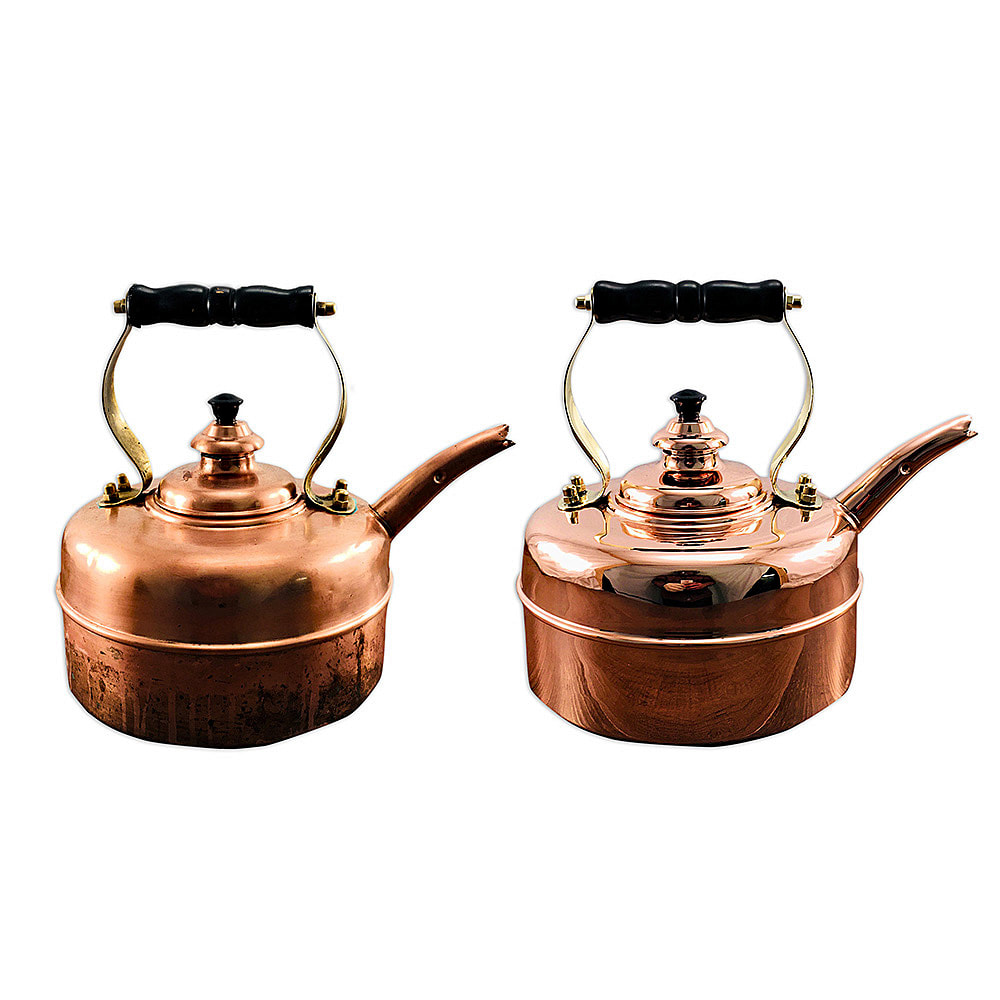
Exquisite Restoration of an Antique Copper Tea Kettle: A Testament to Chelsea Plating Co.'s Mastery.
|