TROPHY REPAIR AND PRESENTATION PIECE RESTORATIONRepair, polishing, and restoration of silver, silverplate, brass, bronze, and gilt trophies and presentation pieces.
Chelsea Plating Company in Philadelphia restores trophies and presentation pieces for clients in the city and throughout the United States. The workshop repairs silver, silverplate, brass, bronze, and gilt cups, bowls, plaques, and sculptural awards ranging from local athletic trophies to historic racing and institutional pieces. Typical projects include dented and out-of-round cups, leaning figures, loose bases and stems, tired or uneven finishes, and worn plated areas on long-displayed awards. Many clients find the studio while searching for “trophy repair near me” and are looking for careful work that respects inscriptions, dedications, and competition histories. Each piece is assessed individually so that structure is stabilized, finishes are clarified, and the object can be displayed or used in a way that suits its age and significance.
Send clear photos and dimensions to begin.
|
AT A GLANCE — TROPHY REPAIR AND PRESENTATION PIECE RESTORATION
|
TROPHIES, CUPS, AND ATHLETIC AWARDS
|
Many trophies arriving at the workshop have seen decades of presentation, handling, and polishing. Common concerns include dented and out-of-round cups, bent rims and stems, loose handles, and columns or figures that lean or feel unstable on their bases. Chelsea Plating focuses first on structure: correcting bends, reducing dents where possible, tightening or resoldering loose components, and making sure that the cup or figure sits square and is safe to handle.
Once the structure is stabilized, surfaces are cleaned and tarnish is reduced. Polishing is tailored to the piece, from a softer sheen that suits an older cup to a brighter finish for more recent awards. Where plating has thinned or worn through, selective replating may be recommended so that the restored trophy reads as coherent without losing its age and character. |
CORPORATE, ACADEMIC, AND COMMEMORATIVE PRESENTATION PIECES
|
Corporate, academic, and institutional presentation pieces often carry engraved dedications, crests, or seals that are central to their meaning. These may be bowls, trays, plaques, ceremonial trowels, or custom awards that have been on display for years. Typical issues include tarnish buildup, uneven past polishing, light scratching, and occasional dents or distortions from handling and moves. The goal is to stabilize any structural issues, clarify important inscriptions and emblems, and present an appropriate, even finish.
Engraving and relief detail are preserved by using controlled cleaning and polishing techniques rather than aggressive cutting. On some pieces, limited local plating can be used to reinforce worn areas while leaving sound original surfaces undisturbed. Recommendations are shaped around the object’s material, how it is displayed, and whether it continues to be used for active presentations or serves as a historical record. |
BASES, MOUNTS, AND MIXED-MATERIAL TROPHIES
|
Many trophies combine metal with wood or other materials, and over time bases can become loose, tilted, or visually disconnected from the award they support. Figures may twist on their mounts, fasteners can corrode or fail, and layered columns may feel unstable when lifted. Chelsea Plating examines how each component is attached and stabilizes mounts and joins so that the trophy can be safely handled, lifted, and displayed.
Metal surfaces on tops, figures, and decorative elements are cleaned and polished with attention to how they relate to any remaining patina, so that older trophies do not look stripped or overly new. Where multiple metals or finishes are present, treatment is balanced so that the whole piece reads as a single, unified object. When non-metal elements are beyond the workshop’s scope, the studio can often work in stages or coordinate around repairs carried out by other specialists. |
PROCESS, SHIPPING, AND PROJECT SCOPE
|
Trophy and presentation piece projects begin with clear photos and basic dimensions, along with notes about the object’s history and how you would like it to look and function. Based on these materials, the workshop can outline likely approaches and whether dent work, straightening, polishing, or plating may be involved. Final scope and any needed adjustments are confirmed once the trophy arrives at the Philadelphia workshop and can be examined in person.
Chelsea Plating accepts only objects that can be safely shipped or hand-delivered; very large, permanently installed, or architectural awards fall outside the studio’s scope. Packing guidance is provided so you can prepare the piece for shipment to Philadelphia, and specific shipping arrangements can be discussed once the estimate process is underway. After treatment, the studio arranges return shipping from Philadelphia using appropriate packing. Some heavily worn or thin pieces may be better served by conservative cleaning and stabilization rather than extensive reshaping or plating, and the workshop will discuss these limits with you before work proceeds. |
Send clear photos and dimensions to begin.
BEFORE AND AFTER GALLERY
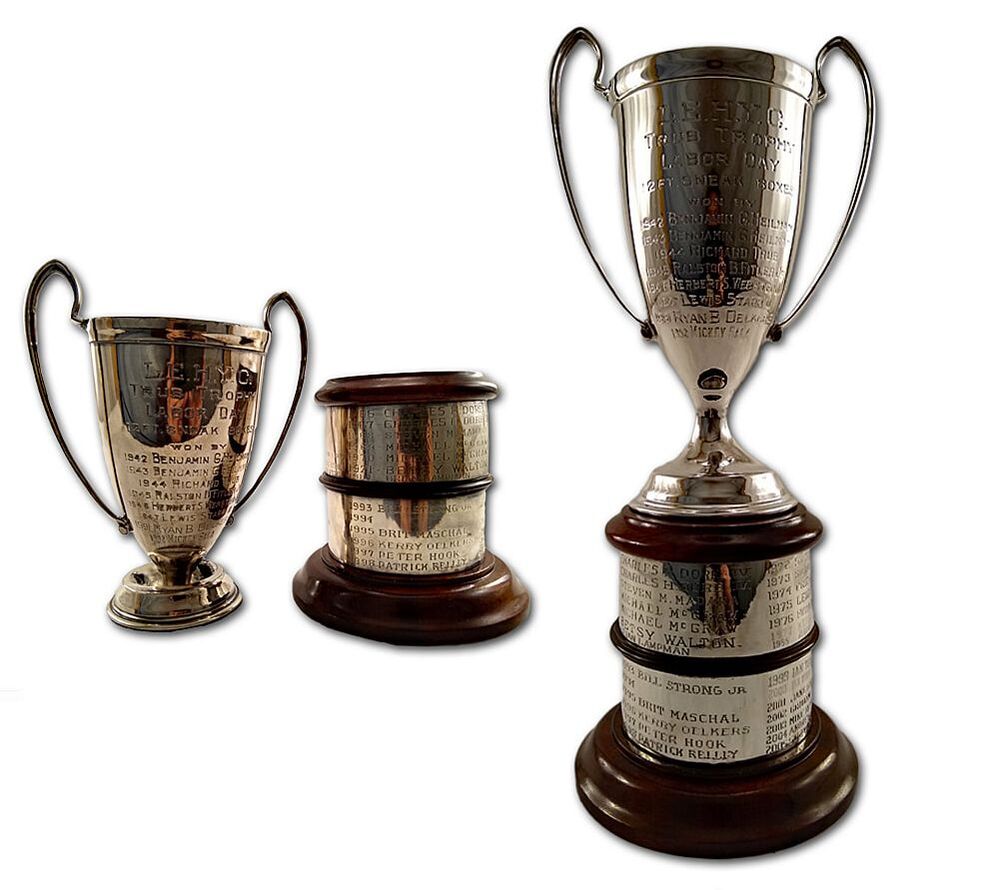
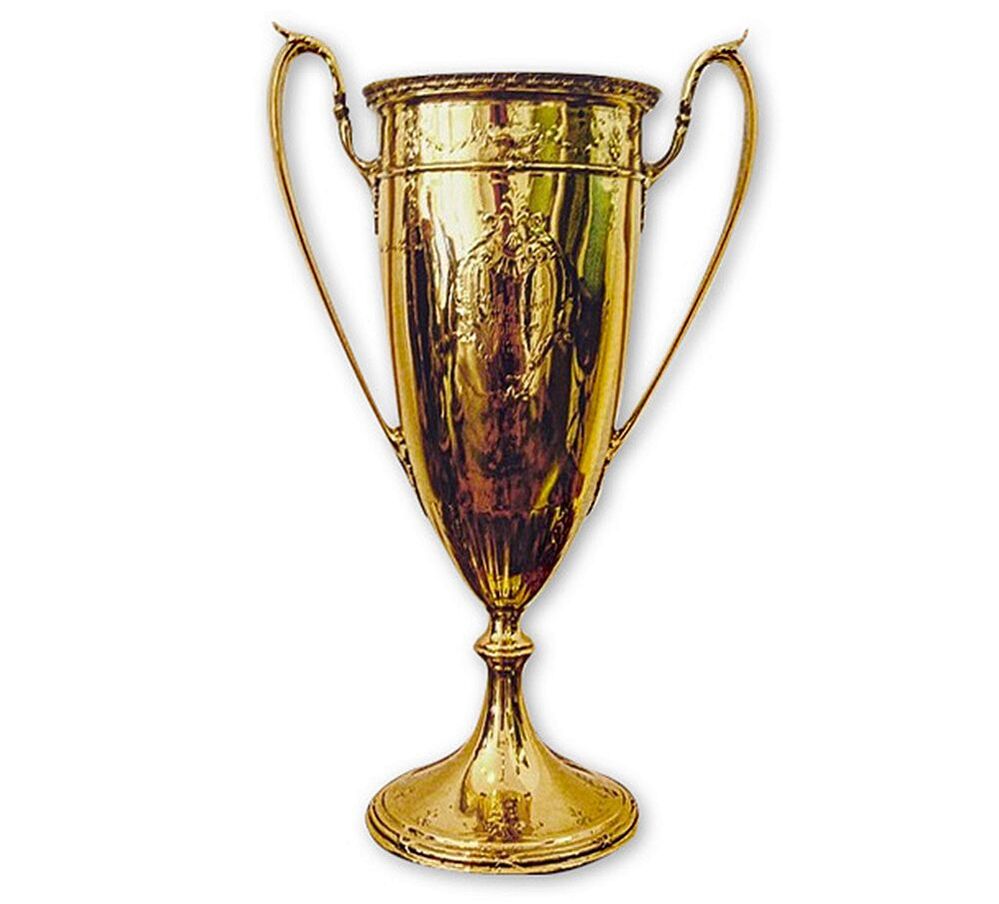
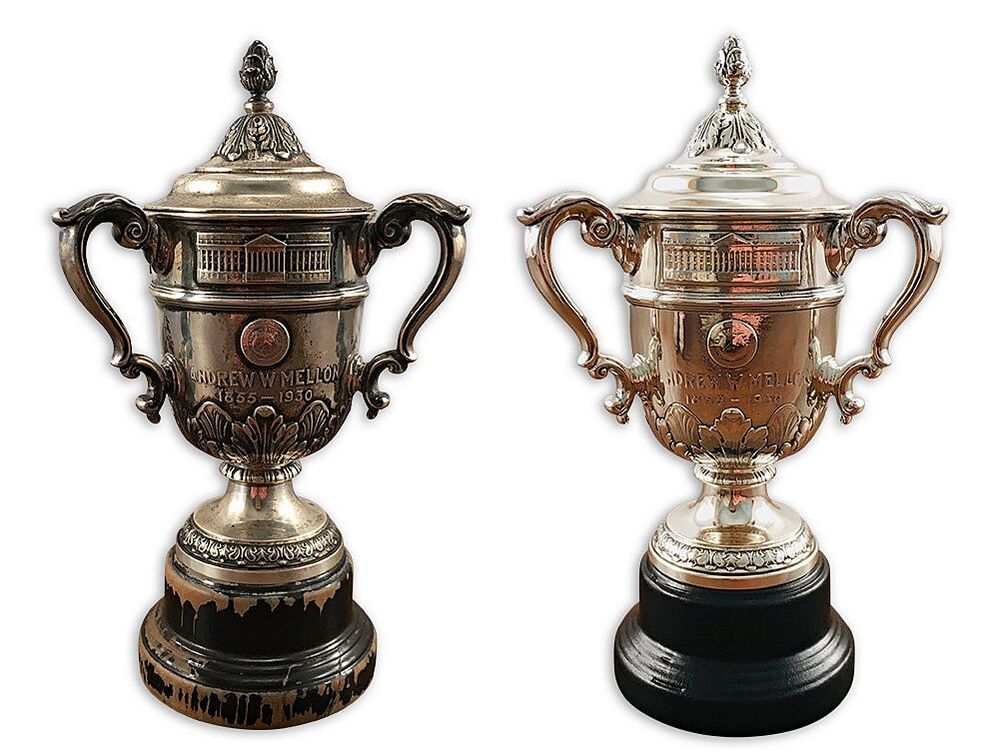
The projects below show typical outcomes for trophy and presentation piece restoration, from structural stabilization and dent reduction to clarified finishes and selective replating. Every trophy is evaluated individually, and treatment is tailored to its materials, construction, and history, so results and recommended approaches will vary from piece to piece.
|
|
|
FAQ — TROPHY REPAIR AND PRESENTATION PIECE RESTORATION
WHAT TYPES OF TROPHIES AND PRESENTATION PIECES DO YOU RESTORE?
Chelsea Plating works on metal trophies and awards in silver, silverplate, brass, bronze, and gilt or gold-plated finishes. This includes cups, bowls, racing trophies, academic and institutional awards, plaques, ceremonial trowels, and many commemorative pieces mounted on bases. The workshop is not a sports shop and does not replace plastic or resin trophy parts or provide bulk engraving services. Projects are best suited to trophies and presentation pieces with lasting significance or ongoing ceremonial roles.
WHAT KINDS OF DAMAGE OR WEAR CAN YOU ADDRESS ON TROPHIES?
Common issues include dents and creases, bent or out-of-round cups, leaning figures, loose stems or handles, and unstable bases. Tarnish, discoloration, light scratches, and uneven past polishing are often improved as part of the work. Where plating has thinned or worn away on a plated trophy, selective replating may be possible if the underlying structure is sound. Extremely deep dents, severe metal loss, very thin walls, or extensive prior repairs can limit what is safely achievable; in those cases, the focus may be on stabilization and improved appearance rather than complete visual correction.
WILL ENGRAVINGS, INSCRIPTIONS, AND HISTORIC MARKINGS BE PRESERVED?
Preserving inscriptions, dates, and decorative detail is a priority. Cleaning and polishing are controlled so that engraved names, competition histories, crests, and logos remain legible and raised detail is not thinned. In some cases, old machine-brightening or heavy past polishing may already have softened lettering or decoration, and this cannot be reversed. The workshop can advise how far current work should go to clarify the surface without further compromising important markings.
CAN YOU REPLATE OR CHANGE THE FINISH OF MY TROPHY?
For suitable pieces, worn or patchy plated surfaces can often be replated after structural issues are addressed. Preparation is carried out with restraint to preserve engraving, logos, and pattern detail, and the color and sheen of the new deposit are tuned to the object and its setting. In some cases, full replating may not be wise because of thin metal, complex construction, or previous work, and a combination of careful cleaning, localized treatment, and finish adjustment may be recommended instead. The aim is a stable, coherent appearance that respects the trophy’s age and history.
HOW DO SHIPPING AND LOGISTICS WORK FOR TROPHY PROJECTS?
Estimates begin with clear photos and dimensions sent to the workshop, along with any information you have about the trophy’s history and use. Chelsea Plating provides packing guidance so you can prepare the piece for shipping to Philadelphia. Specific details such as shipping method and any insurance can be discussed once the estimate process begins. Once work is complete, the workshop arranges return shipping from Philadelphia using appropriate packing and carriers. Only objects that can be safely shipped or hand-delivered are accepted, and no on-site restoration services are offered.
Chelsea Plating works on metal trophies and awards in silver, silverplate, brass, bronze, and gilt or gold-plated finishes. This includes cups, bowls, racing trophies, academic and institutional awards, plaques, ceremonial trowels, and many commemorative pieces mounted on bases. The workshop is not a sports shop and does not replace plastic or resin trophy parts or provide bulk engraving services. Projects are best suited to trophies and presentation pieces with lasting significance or ongoing ceremonial roles.
WHAT KINDS OF DAMAGE OR WEAR CAN YOU ADDRESS ON TROPHIES?
Common issues include dents and creases, bent or out-of-round cups, leaning figures, loose stems or handles, and unstable bases. Tarnish, discoloration, light scratches, and uneven past polishing are often improved as part of the work. Where plating has thinned or worn away on a plated trophy, selective replating may be possible if the underlying structure is sound. Extremely deep dents, severe metal loss, very thin walls, or extensive prior repairs can limit what is safely achievable; in those cases, the focus may be on stabilization and improved appearance rather than complete visual correction.
WILL ENGRAVINGS, INSCRIPTIONS, AND HISTORIC MARKINGS BE PRESERVED?
Preserving inscriptions, dates, and decorative detail is a priority. Cleaning and polishing are controlled so that engraved names, competition histories, crests, and logos remain legible and raised detail is not thinned. In some cases, old machine-brightening or heavy past polishing may already have softened lettering or decoration, and this cannot be reversed. The workshop can advise how far current work should go to clarify the surface without further compromising important markings.
CAN YOU REPLATE OR CHANGE THE FINISH OF MY TROPHY?
For suitable pieces, worn or patchy plated surfaces can often be replated after structural issues are addressed. Preparation is carried out with restraint to preserve engraving, logos, and pattern detail, and the color and sheen of the new deposit are tuned to the object and its setting. In some cases, full replating may not be wise because of thin metal, complex construction, or previous work, and a combination of careful cleaning, localized treatment, and finish adjustment may be recommended instead. The aim is a stable, coherent appearance that respects the trophy’s age and history.
HOW DO SHIPPING AND LOGISTICS WORK FOR TROPHY PROJECTS?
Estimates begin with clear photos and dimensions sent to the workshop, along with any information you have about the trophy’s history and use. Chelsea Plating provides packing guidance so you can prepare the piece for shipping to Philadelphia. Specific details such as shipping method and any insurance can be discussed once the estimate process begins. Once work is complete, the workshop arranges return shipping from Philadelphia using appropriate packing and carriers. Only objects that can be safely shipped or hand-delivered are accepted, and no on-site restoration services are offered.
Send clear photos and dimensions to begin.
RELATED PAGES
- Heirloom, Decorative Art and Religious Object Restoration and Repair — Overview of restoration for significant decorative and historic objects
- Silver Restoration and Repair — Structural and surface restoration for sterling and silverplate objects
- Brass, Copper and Bronze Restoration and Repair — Cleaning, polishing, and stabilization of brass, copper, and bronze pieces
- Gold, Gilding and Plated Surface Restoration — Conservation and renewal of gilt and gold-plated decorative objects
- Request an Estimate — Begin a restoration estimate with photos and dimensions