|
|
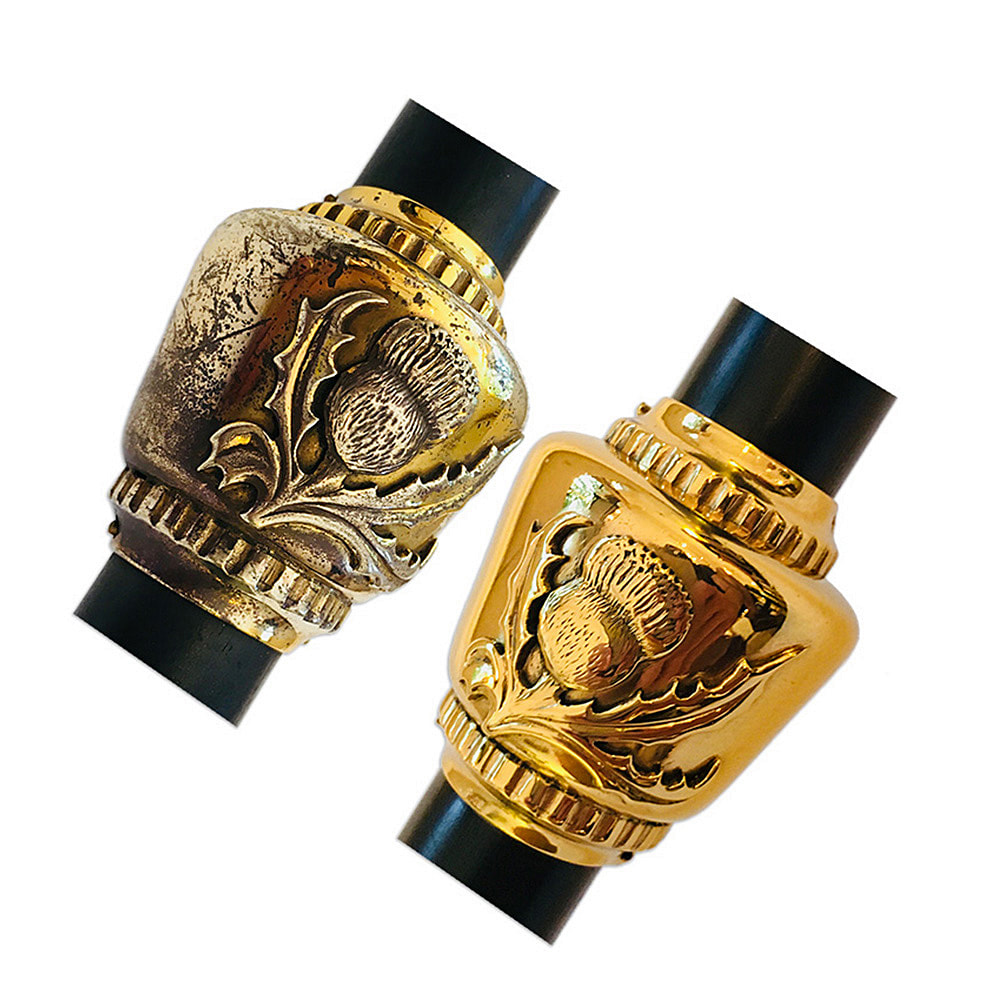
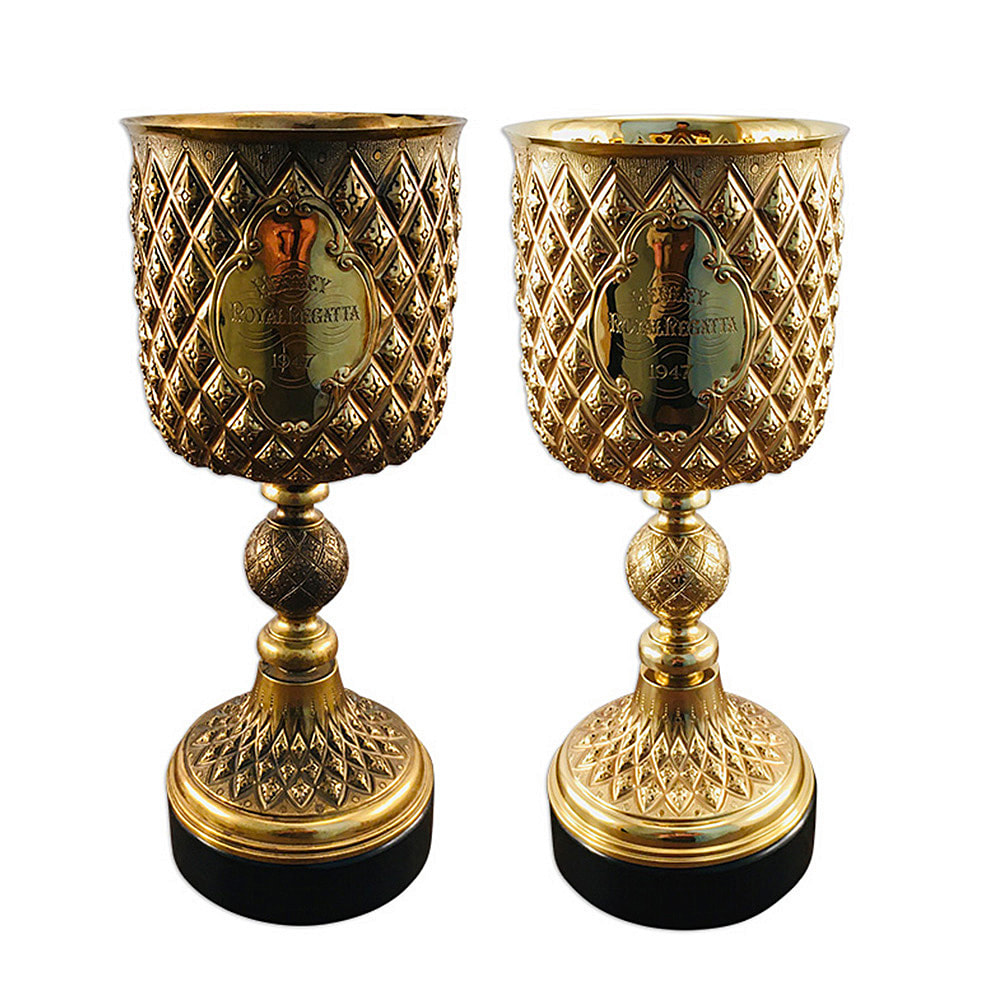
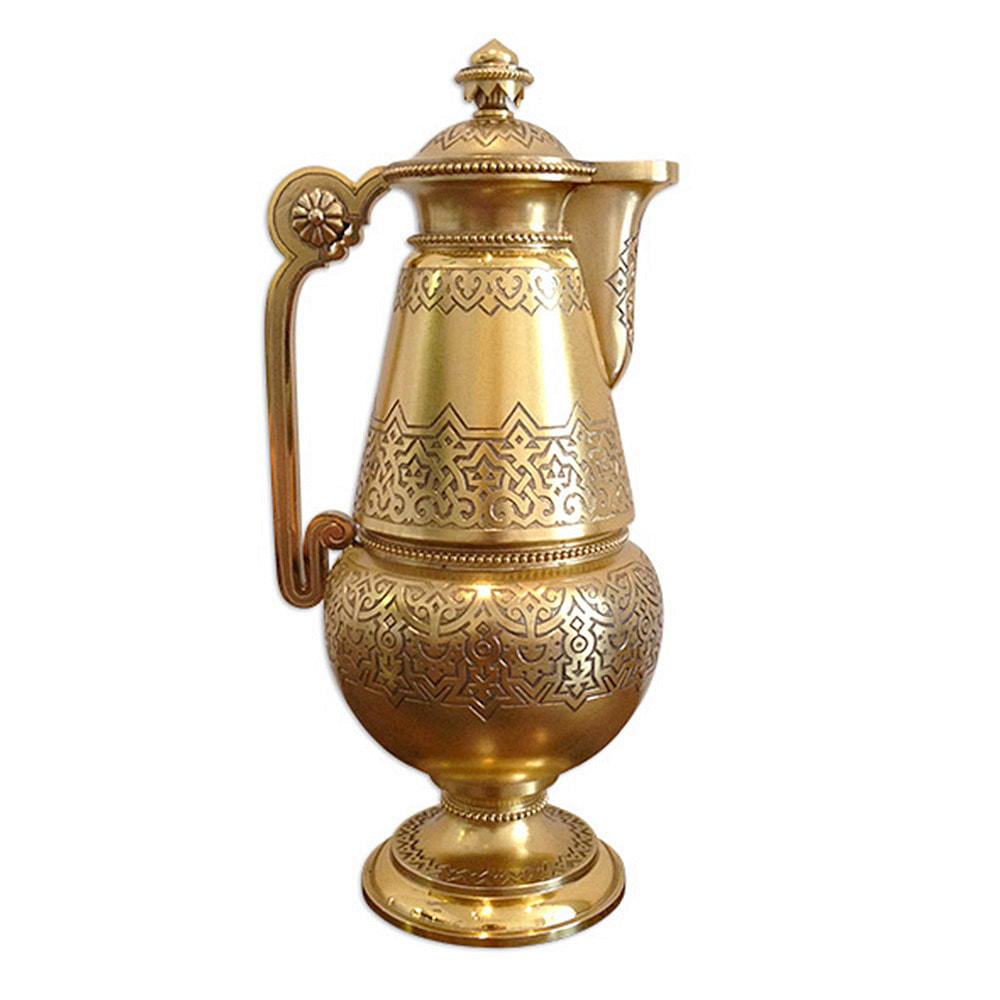
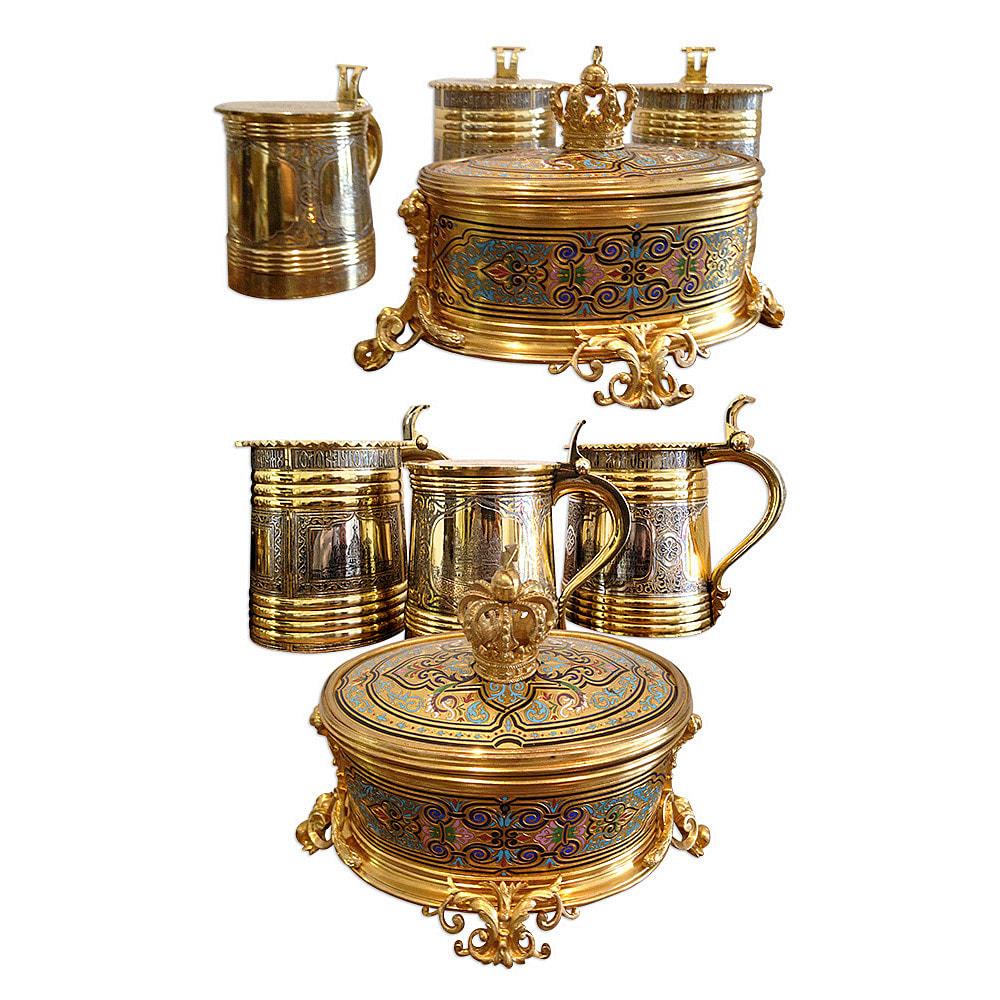
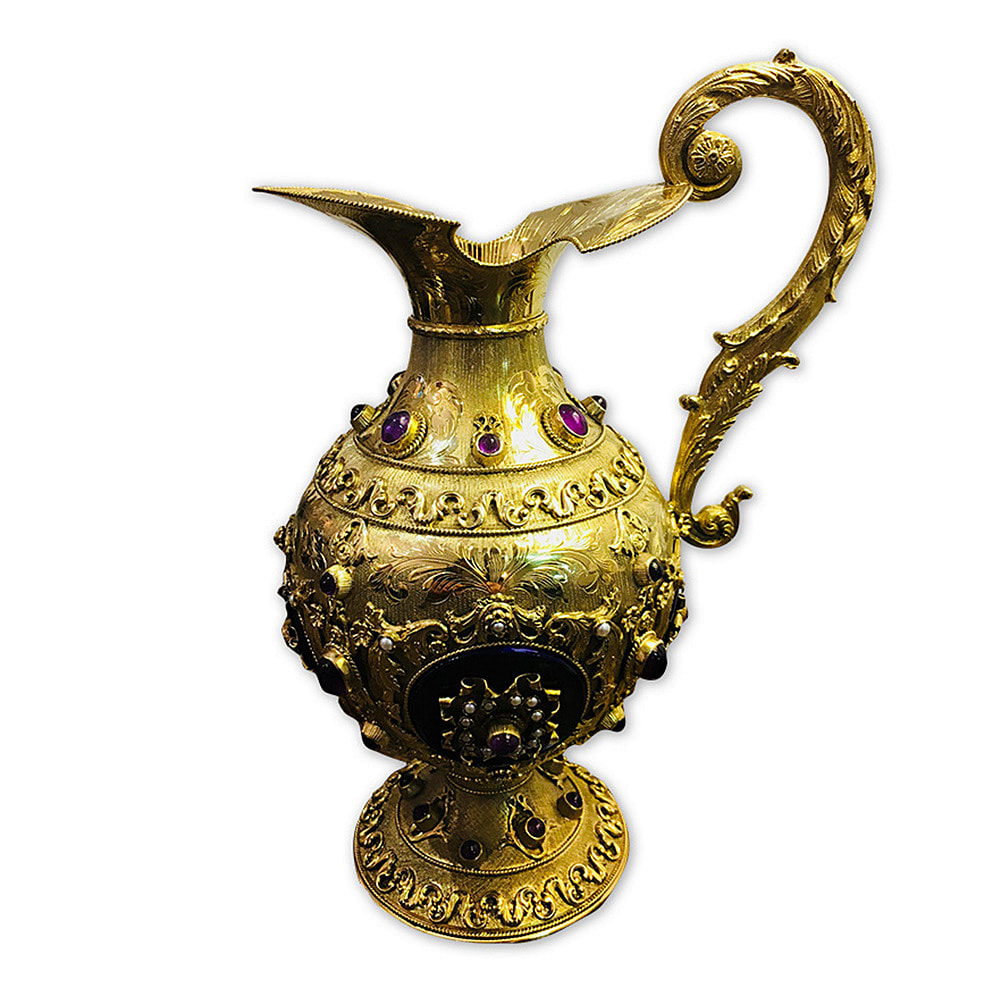
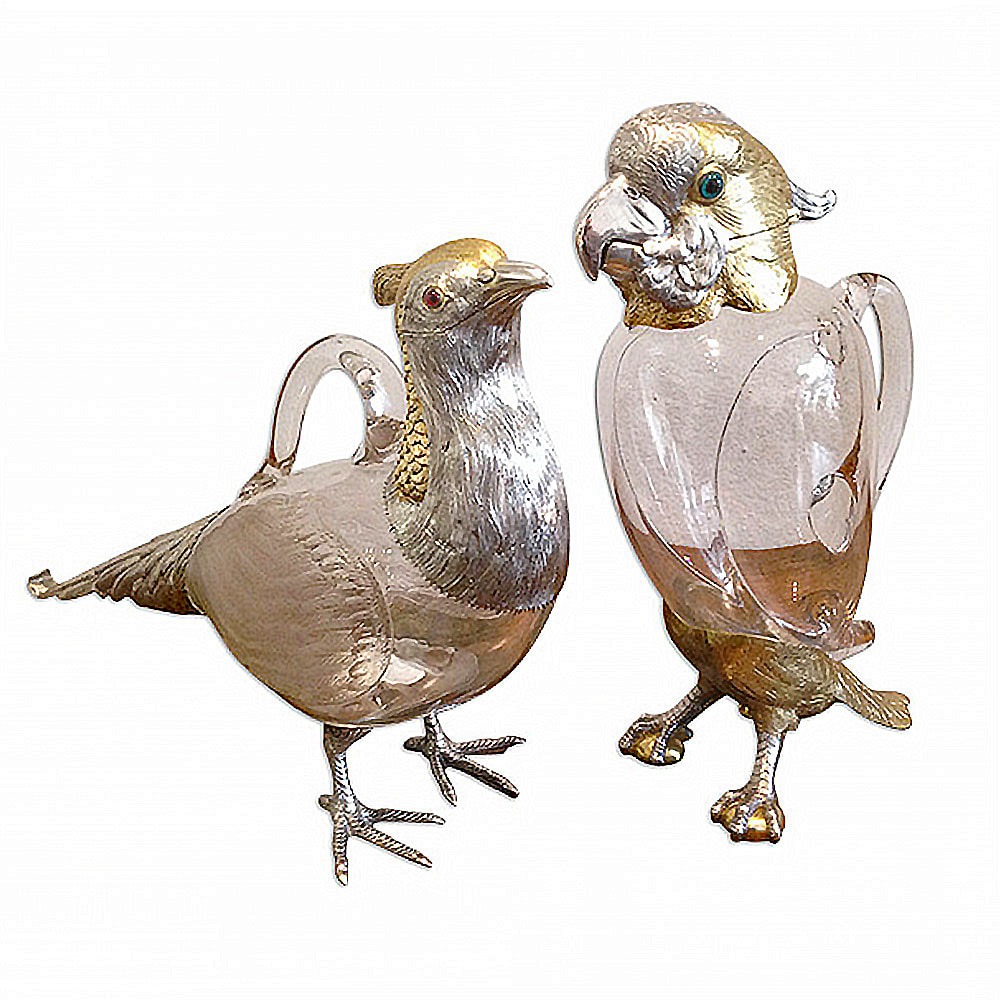
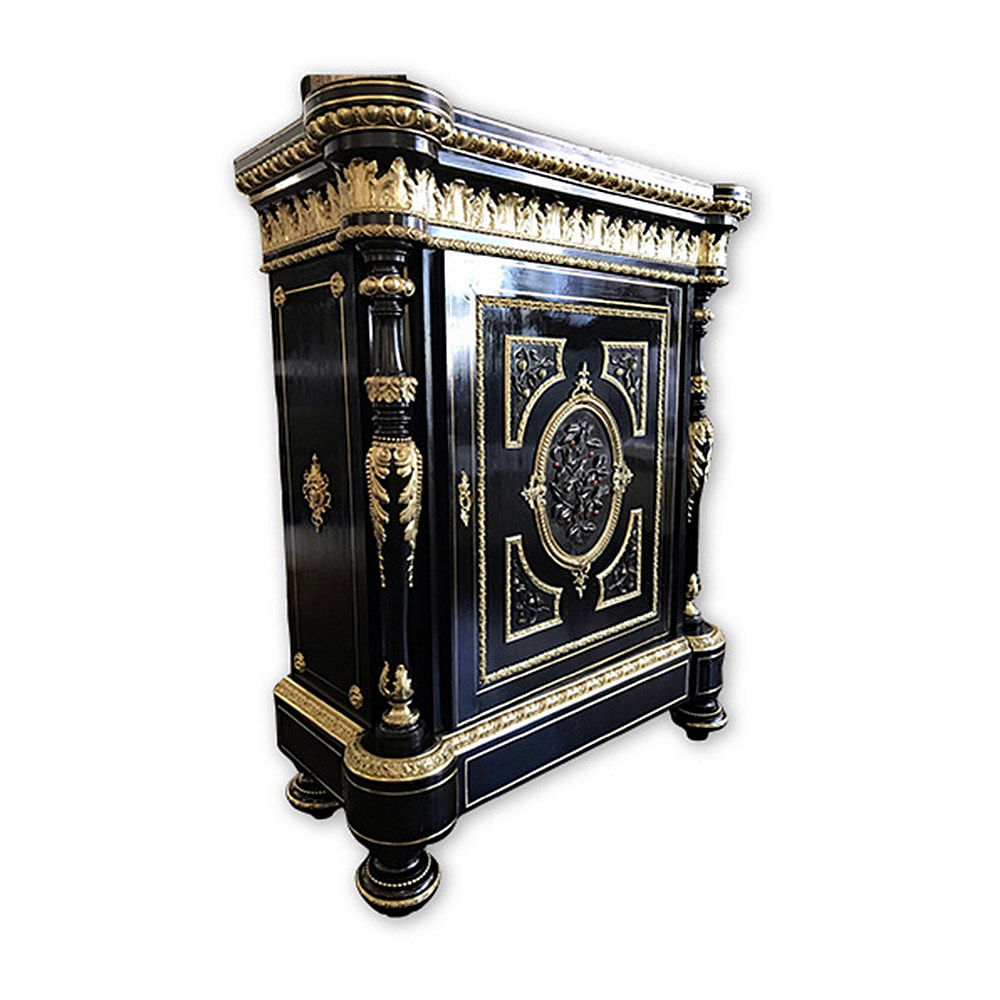
GOLD PLATING AND GILDING SERVICES AT CHELSEA PLATING COMPANYExplore the art of gold plating and gilding at Chelsea Plating Company, where we bring a touch of luxury to your cherished items. Our skilled artisans specialize in gold leafing and gilding, elevating pieces from antique frames to religious objects with premium materials for a finish that stands the test of time. Our commitment to quality and detail shines through in every project, whether it's restoring the grandeur of ornate clocks or applying 24k gold plating to liturgical items. Trust us to enhance your valuable possessions with unmatched elegance and craftsmanship.
|
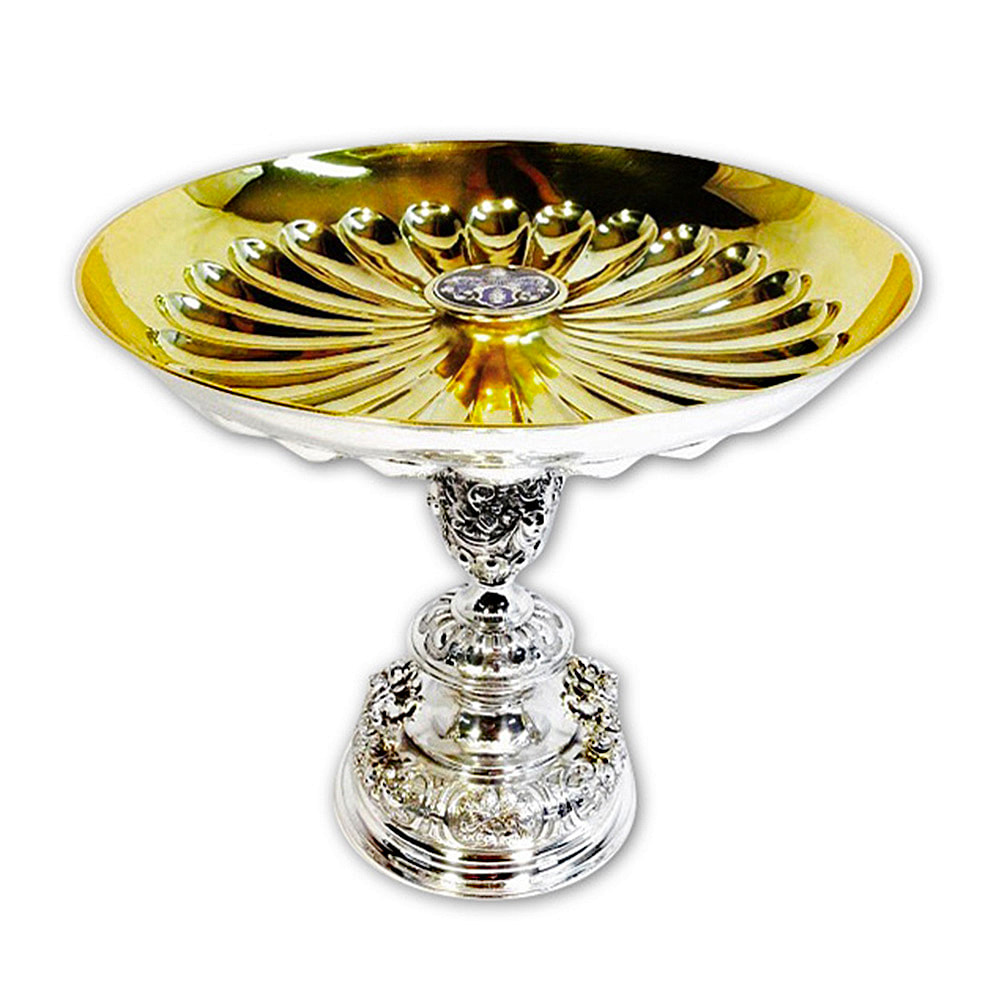
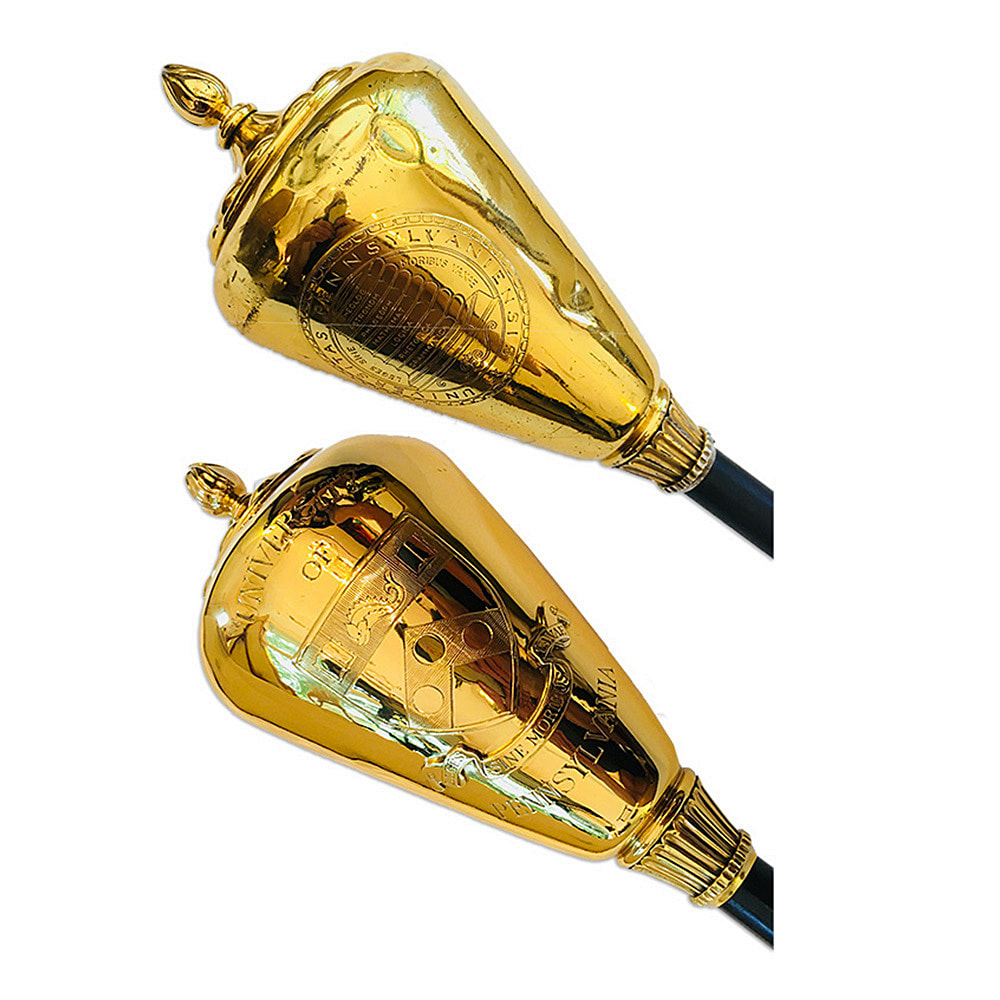
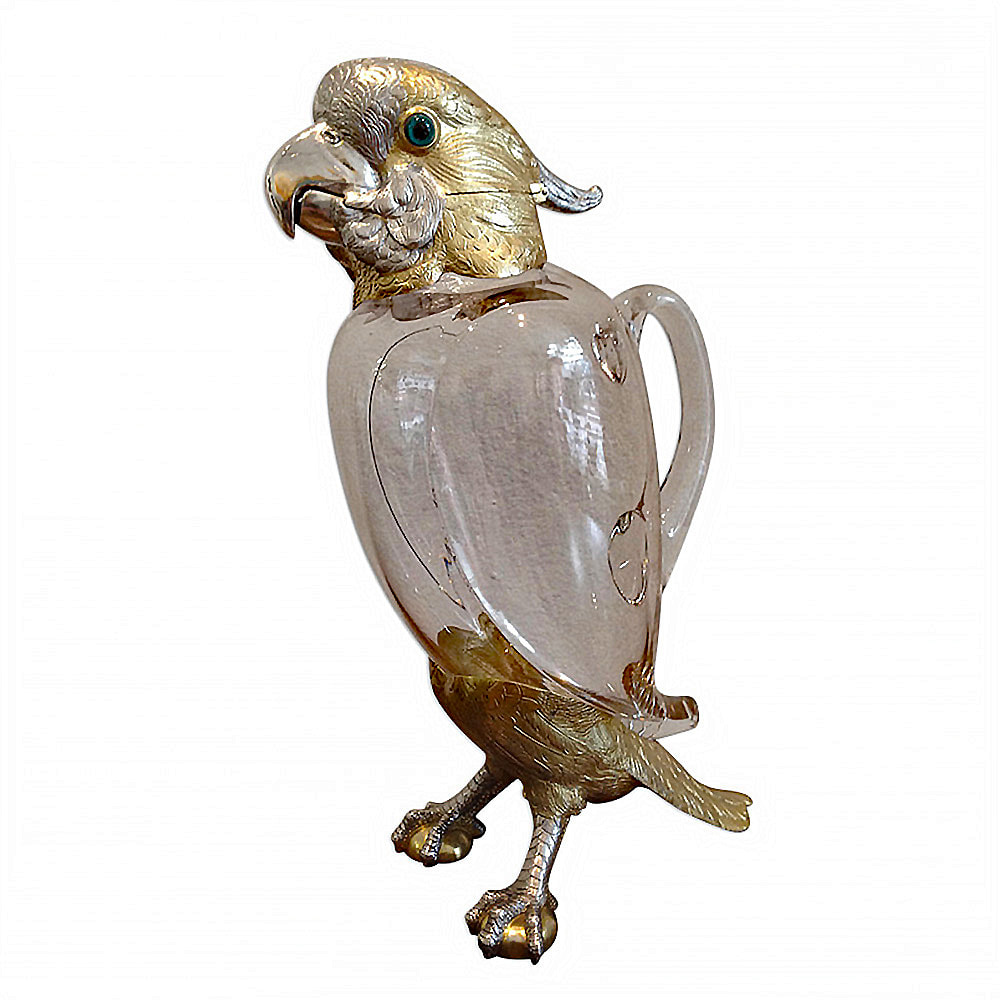
GOLD PLATING SERVICESOur gold plating service enhances the elegance of metal artifacts. Specializing in a range of items from decorative art to functional pieces, we ensure a high-quality gold finish, adding a touch of luxury and durability. Each piece undergoes a meticulous preparation process, including thorough cleaning and polishing, to create a pristine surface for the gold application. We use advanced electroplating techniques to apply an even and durable layer of gold, ensuring long-lasting brilliance and protection. Our skilled artisans pay close attention to detail, achieving a flawless finish that highlights the intricate features of each item. Whether you have religious artifacts, antique frames, or modern decorative pieces, our gold plating service transforms them into exquisite treasures. At Chelsea Plating Company, we are committed to delivering exceptional craftsmanship and unmatched quality, enhancing the beauty and value of your metal artifacts with our professional gold plating services.
|
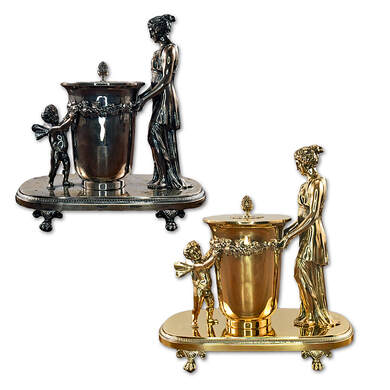
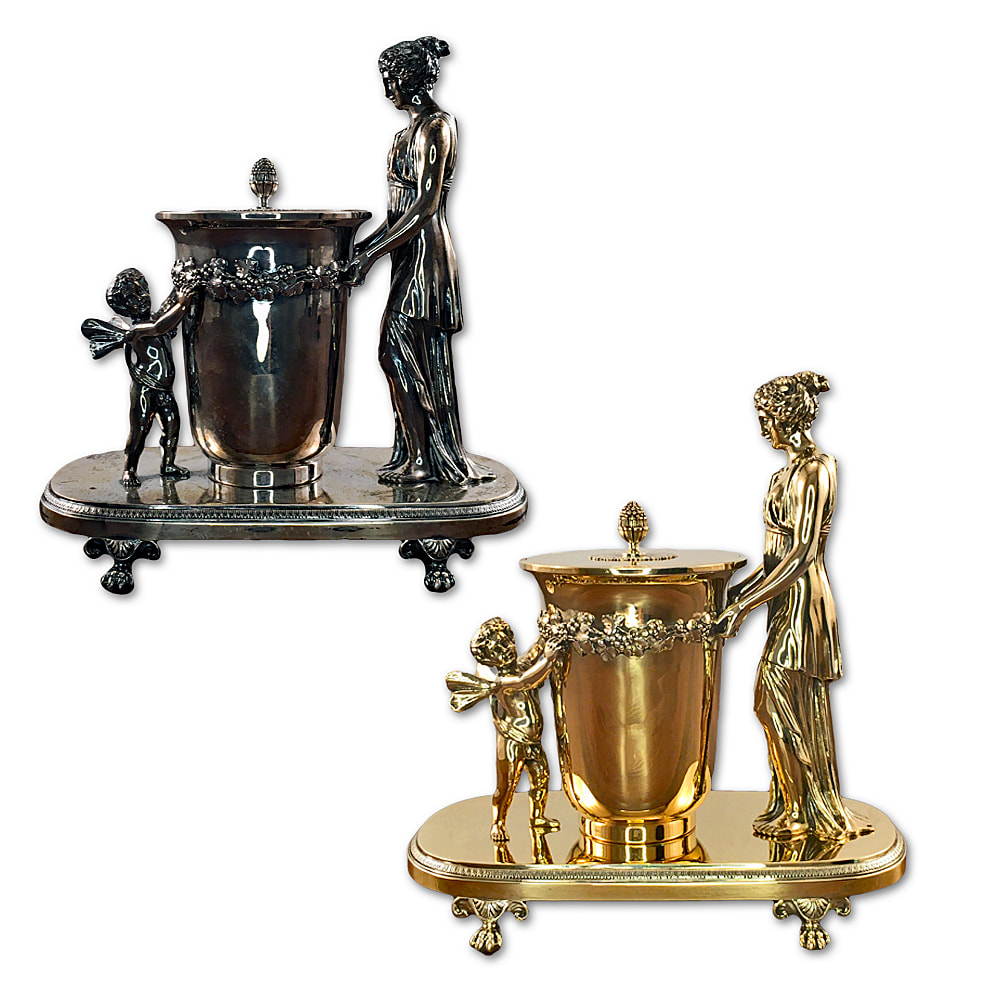
Timeless Elegance Reborn: Odiot's Sterling Silver Figural Urn, Exquisitely Restored with 24k Gold Plating.
|
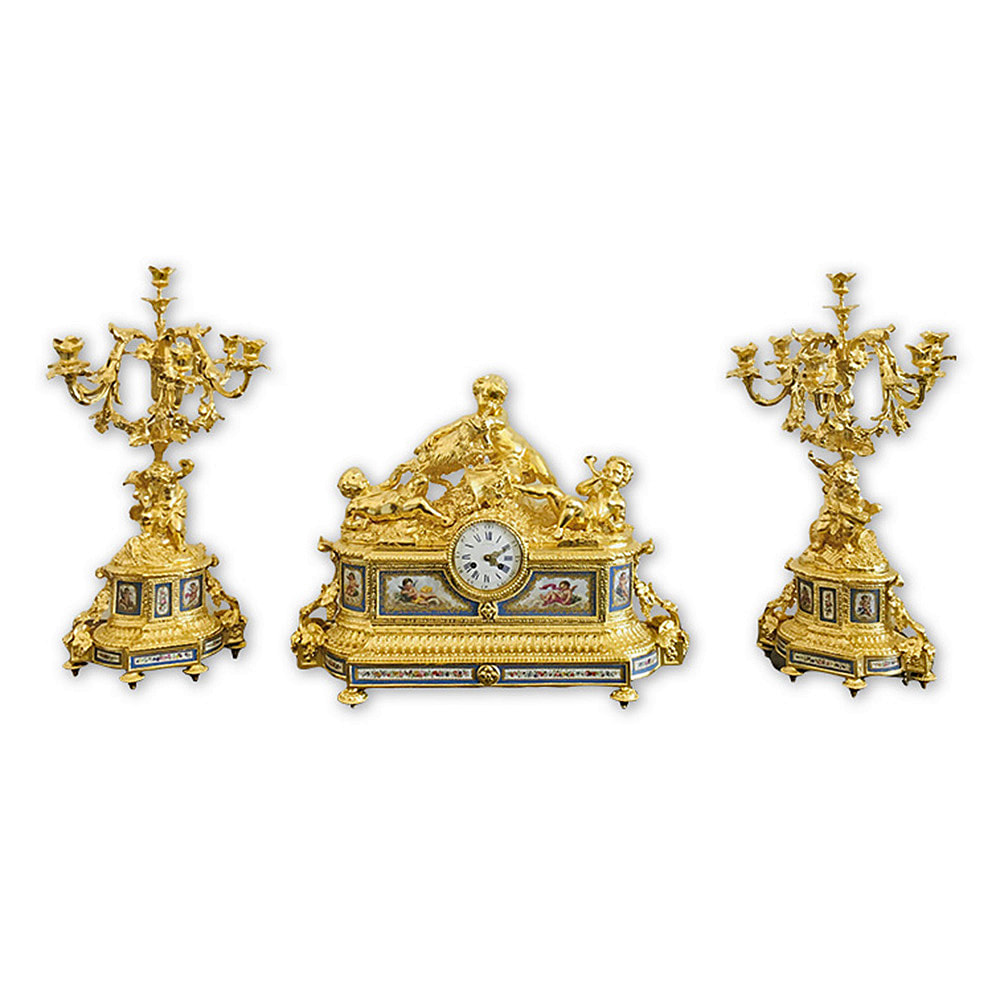
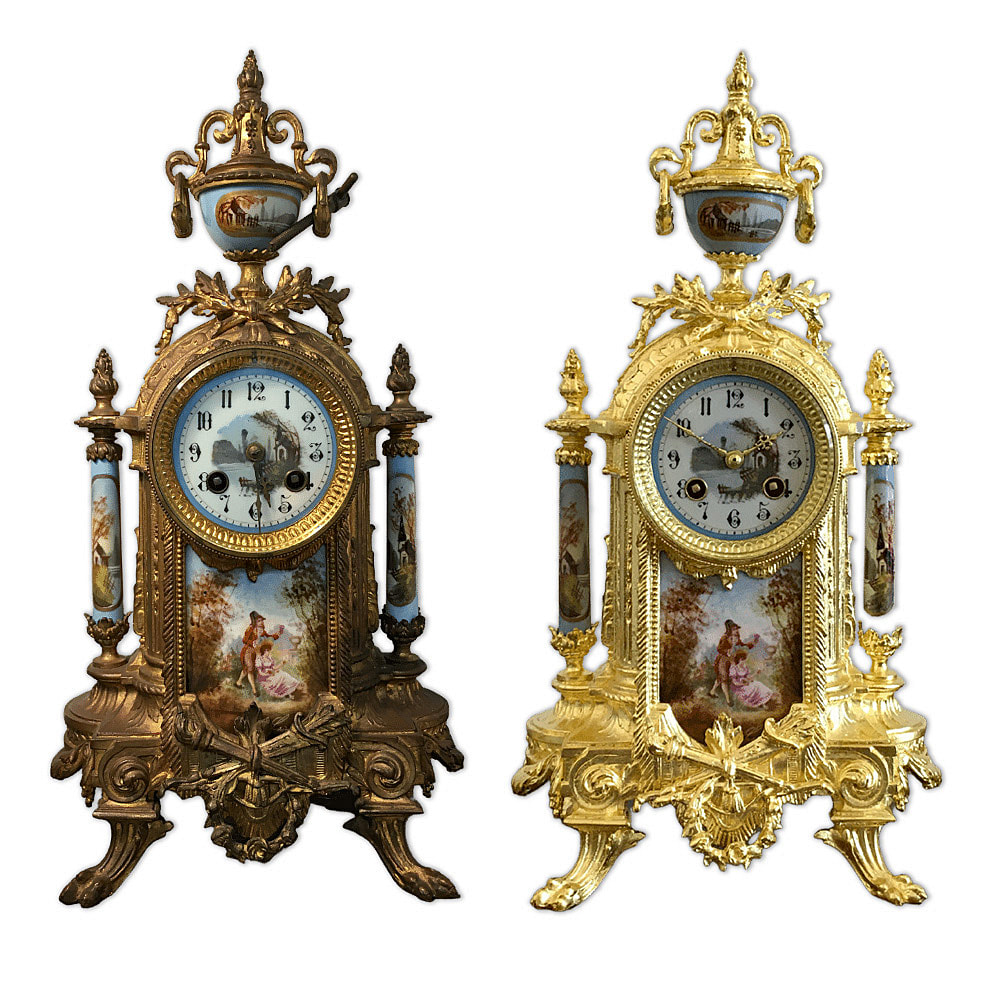
ARTISAN GOLD LEAFING FOR ANTIQUE RESTORATIONDiscover our gold leafing expertise, perfect for antique restoration. We apply gold leaf with meticulous care, enhancing the beauty of each piece while preserving its historical significance. Our process begins with a detailed assessment of the item to determine the appropriate restoration approach. We carefully prepare the surface by cleaning and smoothing it to ensure optimal adhesion of the gold leaf. Using traditional techniques, our skilled artisans apply thin layers of gold leaf, ensuring even coverage and a flawless finish. This delicate process enhances intricate details and adds a luxurious touch to the piece. We then seal the gold leaf with a protective coating to ensure its durability and longevity. At Chelsea Plating Company, we take pride in our attention to detail and commitment to preserving the historical and aesthetic value of your antiques. Trust us to transform your treasured items with our expert gold leafing services, bringing their original splendor back to life.
|
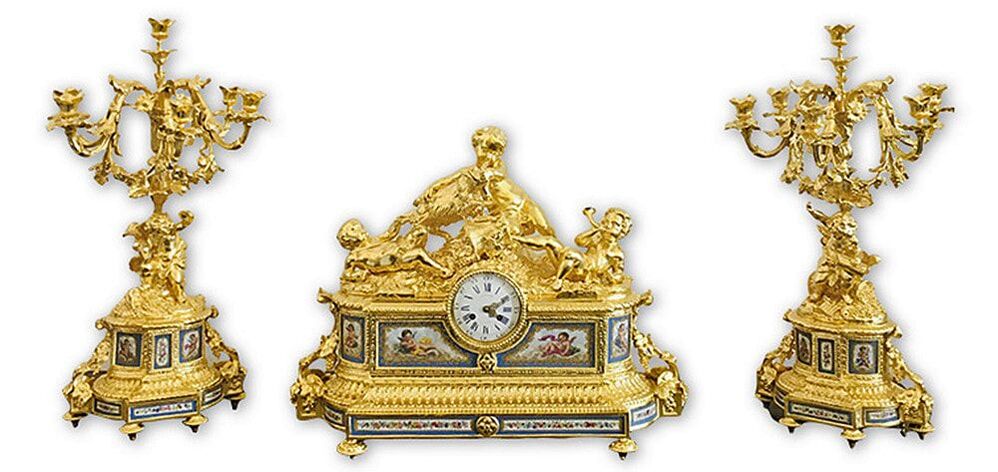
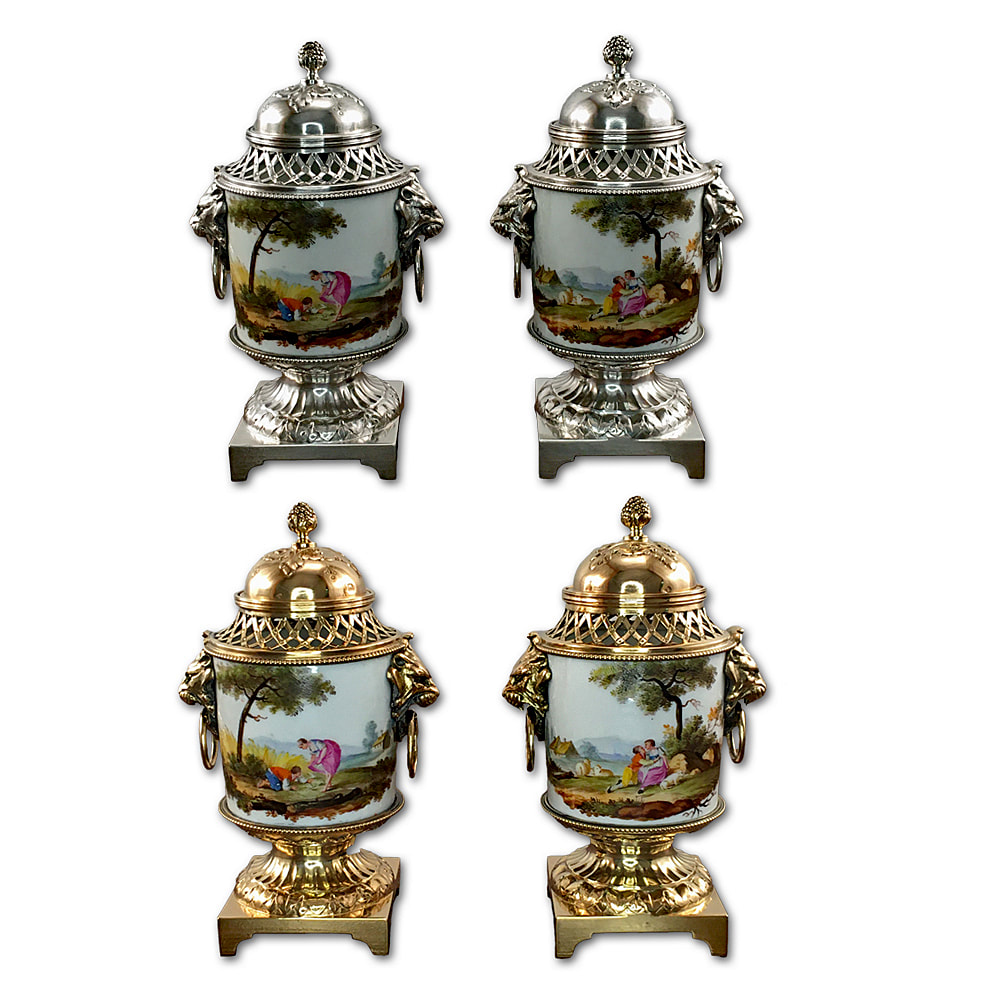
Reviving Historical Splendor: French Antique Mantel Set Transformed with 24-Karat Gold Leaf by Chelsea Plating Co.
|
GILDING SERVICES: REVIVING HISTORICAL ELEGANCEOur gilding services bring a renewed vibrancy to various objects. With careful application, we restore and highlight the inherent beauty of each item, ensuring a visually stunning finish. Our process begins with a thorough assessment to determine the most suitable gilding technique for each piece. We meticulously prepare the surface by cleaning and smoothing it, ensuring optimal adhesion of the gilding materials. Our skilled artisans then apply layers of gold or silver leaf, using traditional methods to achieve an even and seamless finish. This process not only enhances intricate details but also adds a luxurious touch to the item. To protect and preserve the gilded surface, we apply a clear, protective coating that ensures durability and longevity. At Chelsea Plating Company, we are dedicated to reviving the historical elegance of your cherished objects, providing expert gilding services that transform and elevate their appearance. Trust us to bring out the true beauty of your treasured items with our meticulous and high-quality gilding techniques.
|

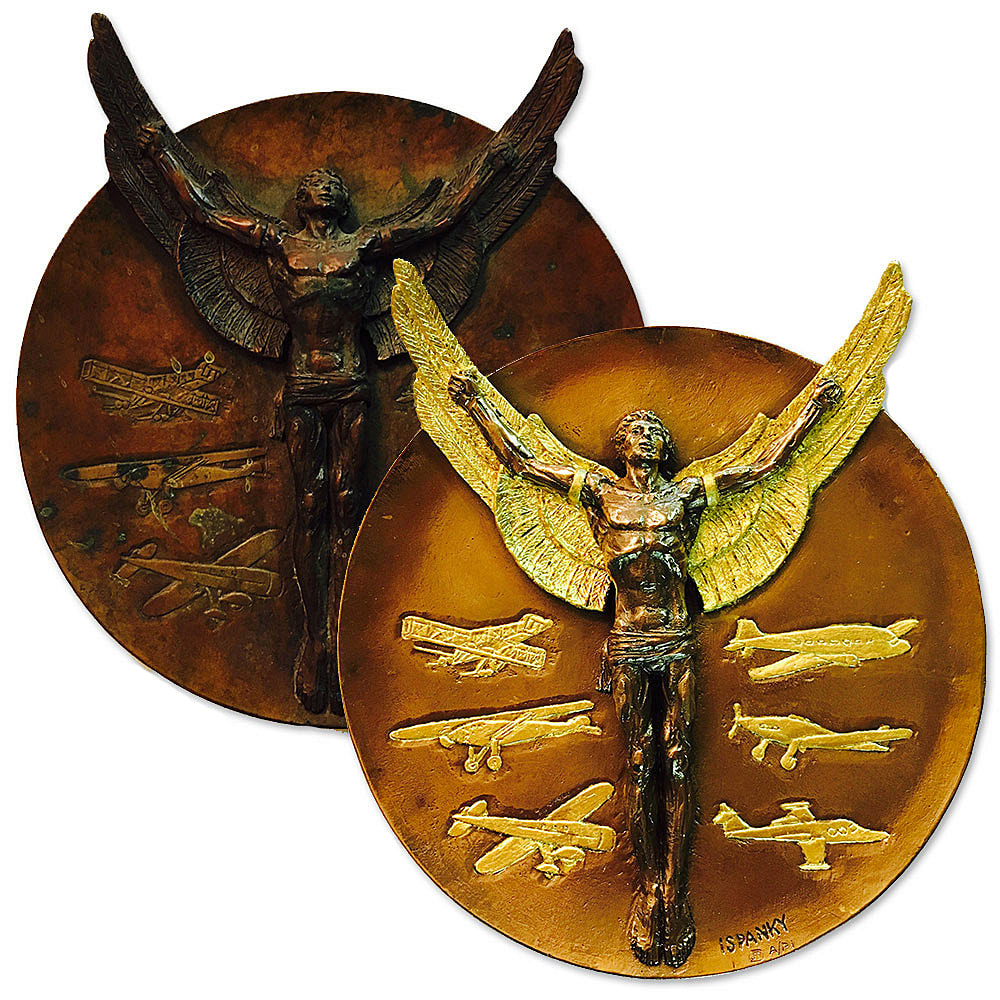
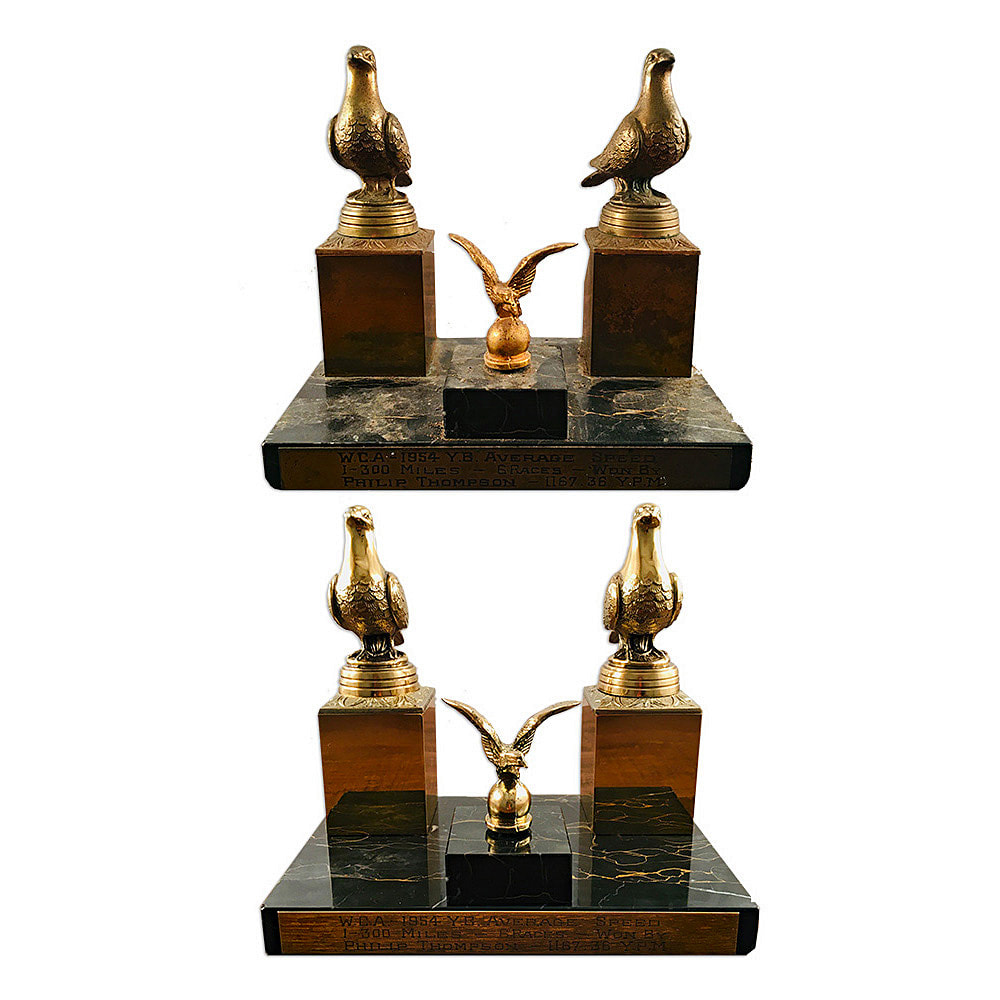
Aviation Legacy Reimagined: Antique Bronze Plaque Enhanced with Gold Leaf by Chelsea Plating Co.
|
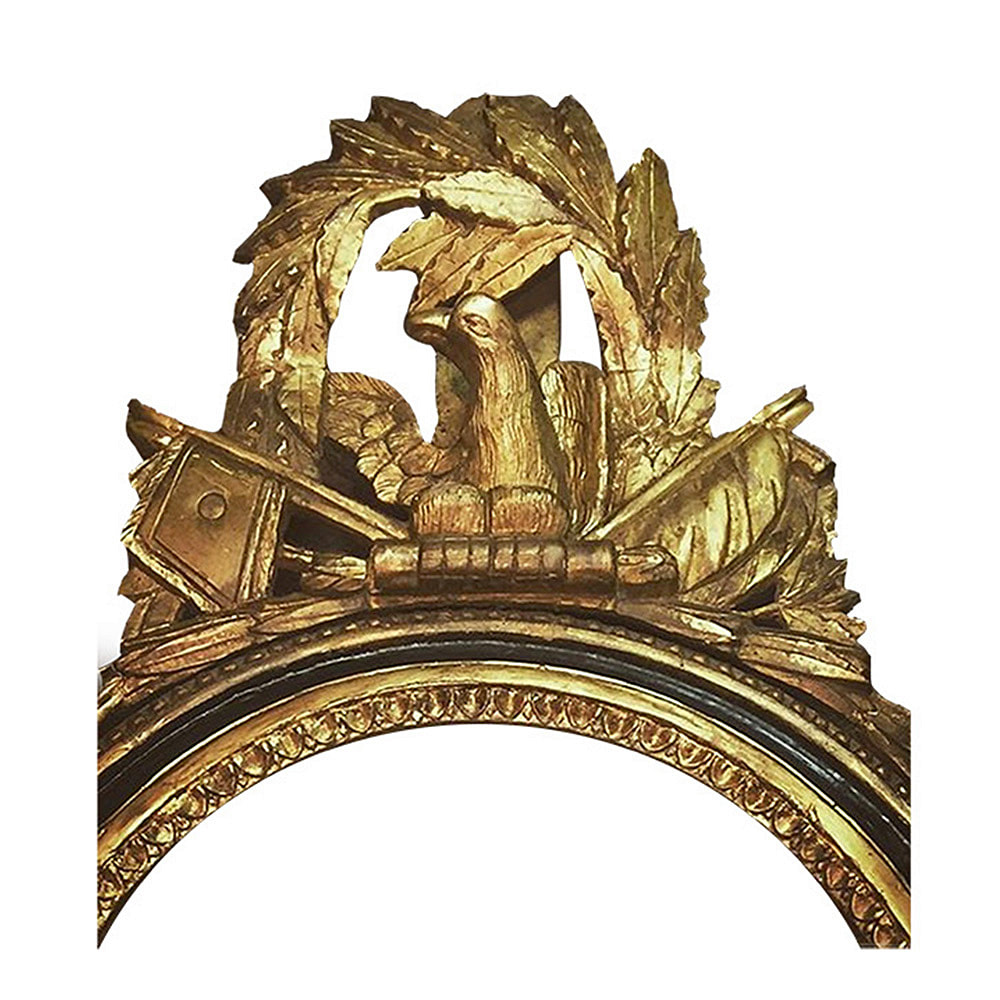
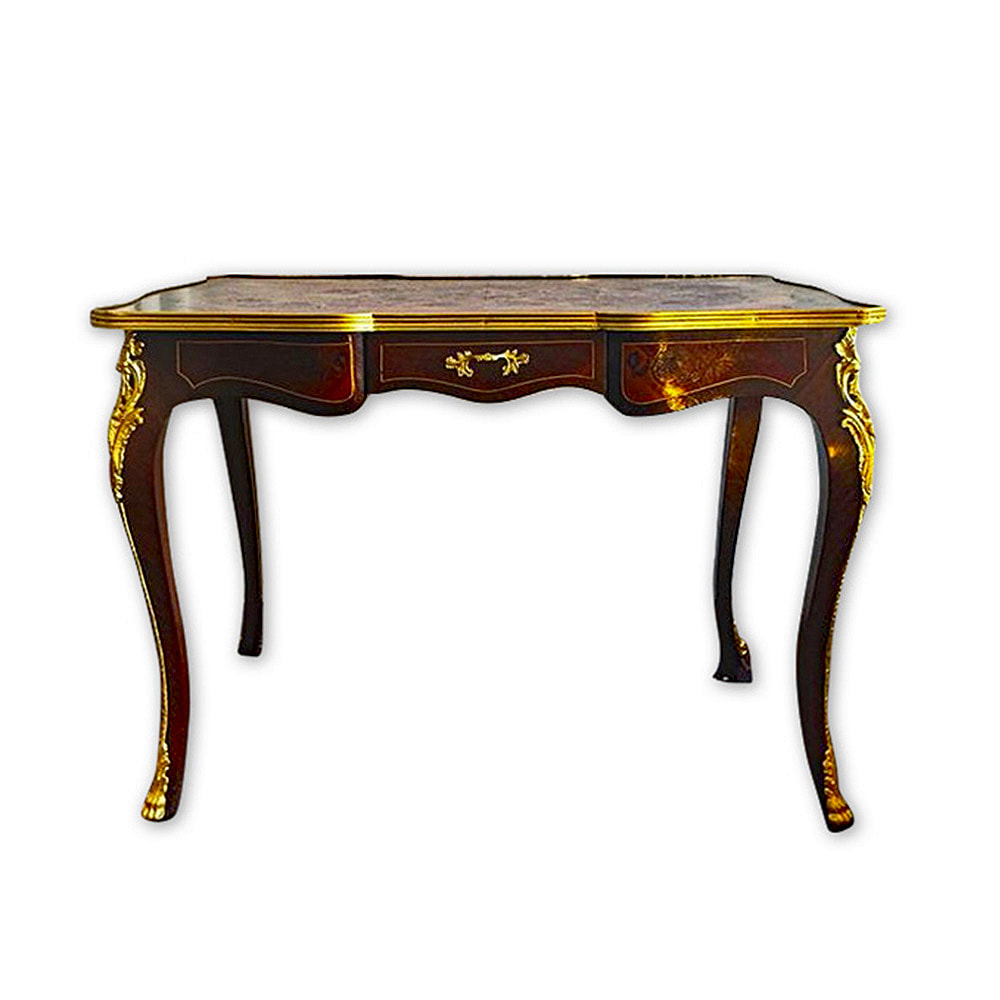
GOLD LEAF FRAME RESTORATIONEntrust your antique frames to our gold leaf restoration service. We focus on reviving the original charm of aged frames, applying gold leaf to accentuate their historical and aesthetic appeal. Our process begins with a careful examination of the frame to identify areas of damage and wear. We then clean the frame to remove any dirt, grime, and old restoration materials. Our skilled artisans meticulously apply layers of gold leaf, ensuring even coverage and a smooth finish. This process enhances intricate details and adds a luxurious touch to the frame. Once the gold leaf application is complete, we seal it with a protective coating to ensure durability and longevity. At Chelsea Plating Company, we are dedicated to preserving the beauty and integrity of your antique frames. Our gold leaf restoration service not only revives their original splendor but also ensures they remain a focal point in your home for years to come. Trust us to handle your cherished frames with the utmost care and expertise.
|
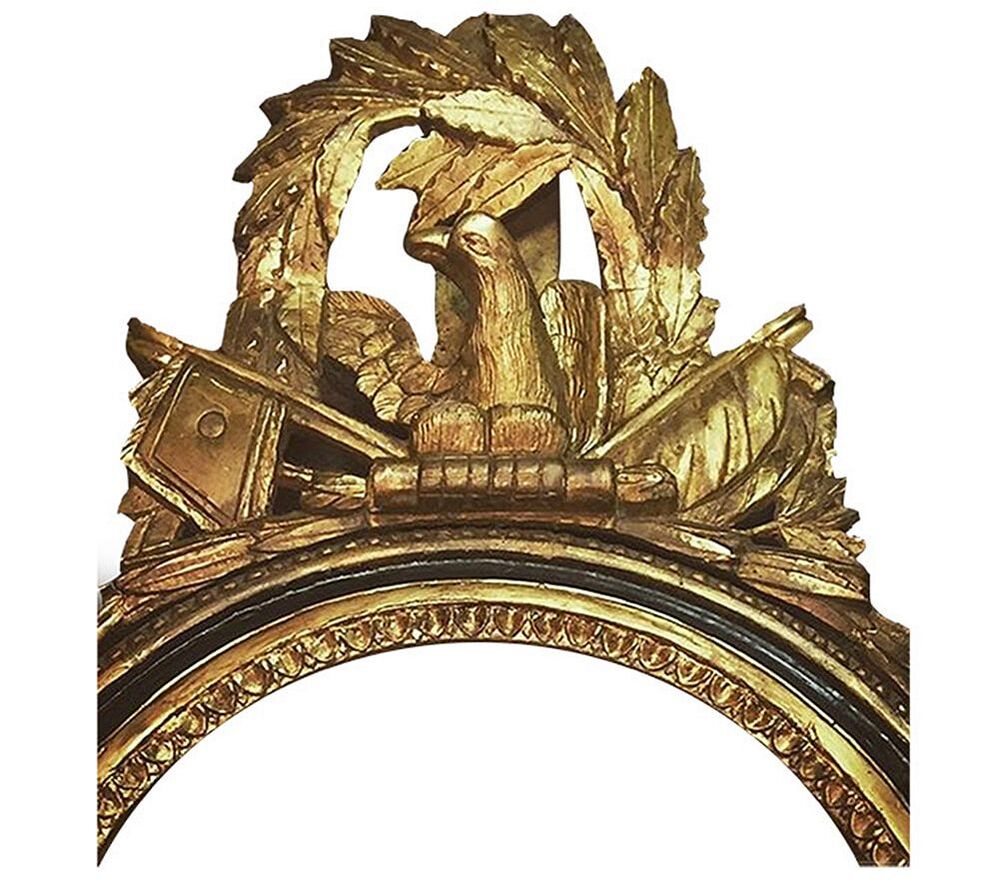
Artistic Renaissance: Exquisitely Restored Wooden Frame by Chelsea Plating Co., Marrying Tradition with Splendor.
|
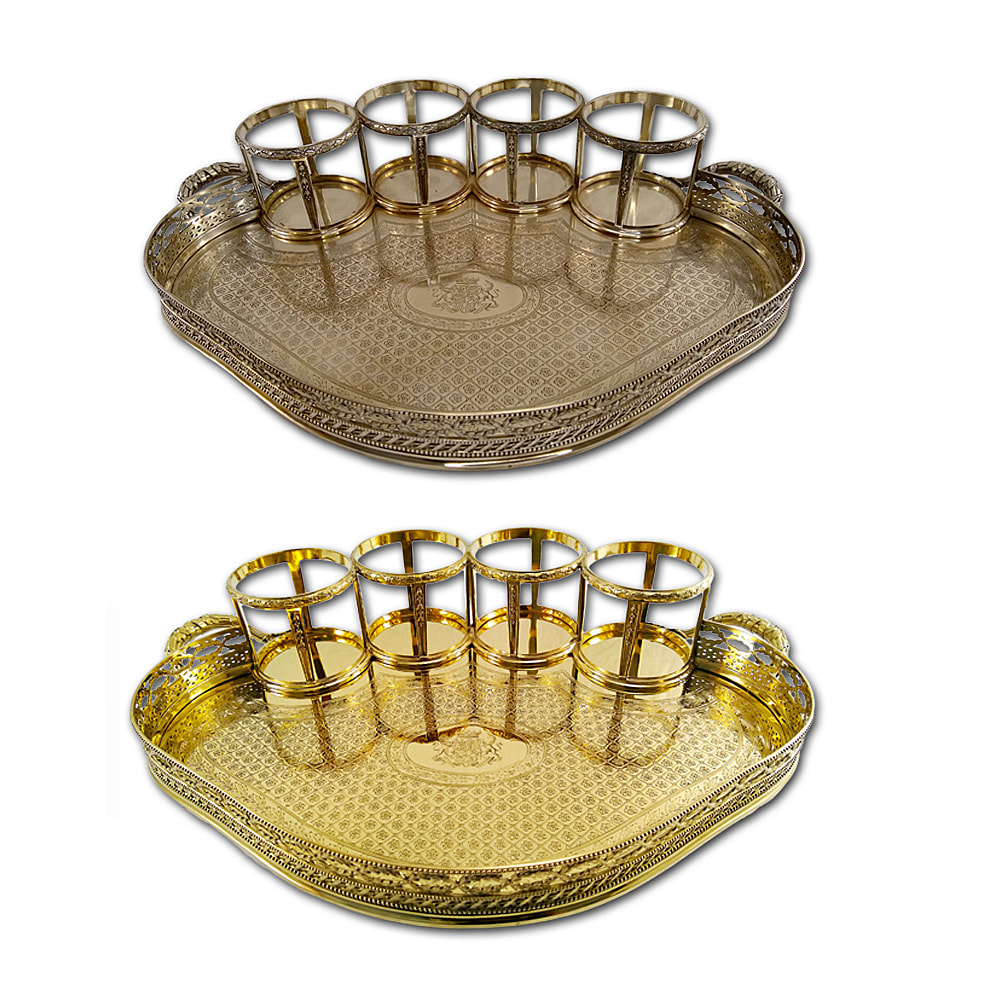
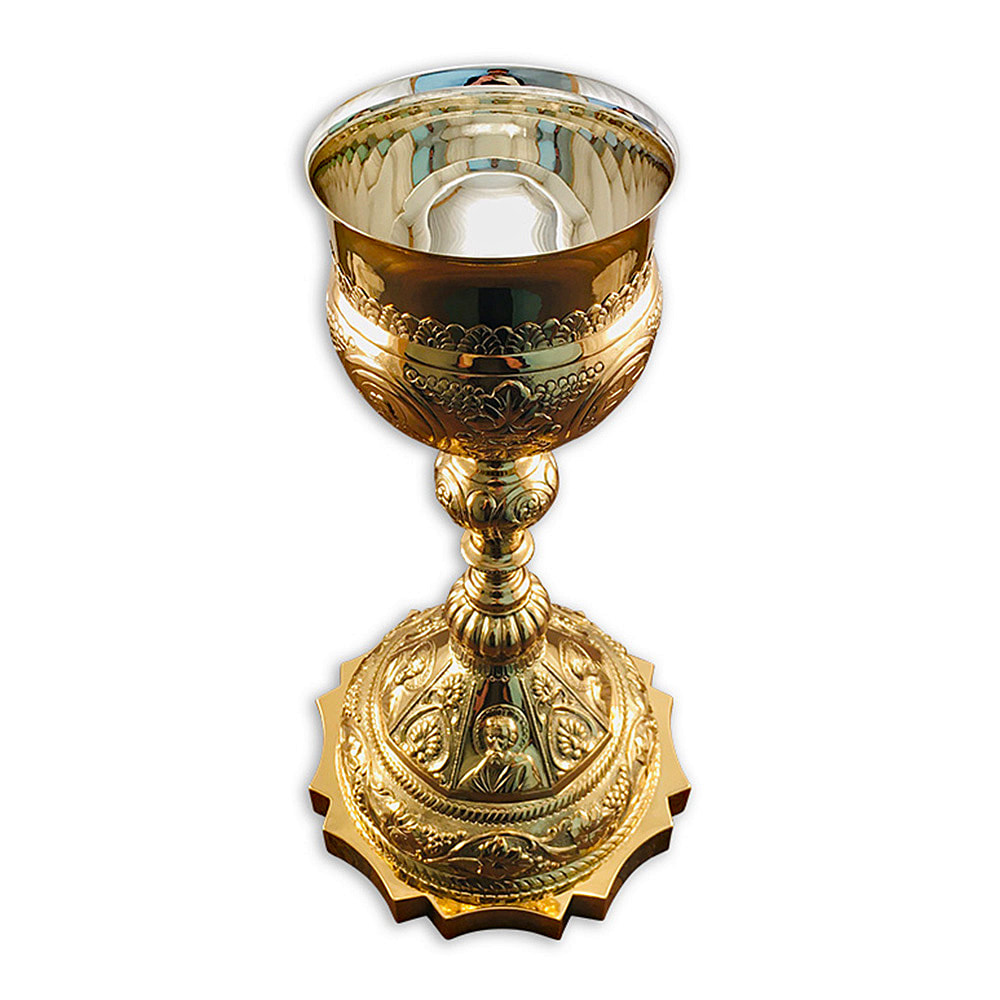
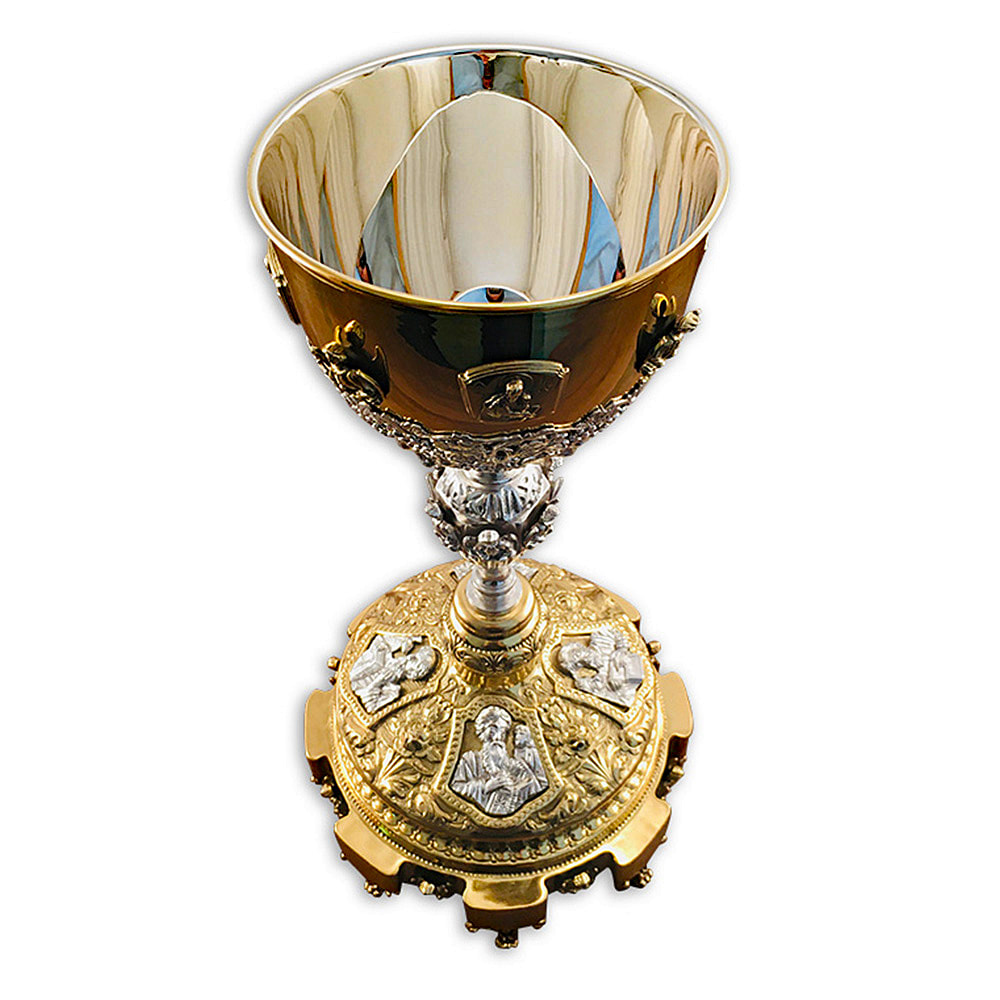
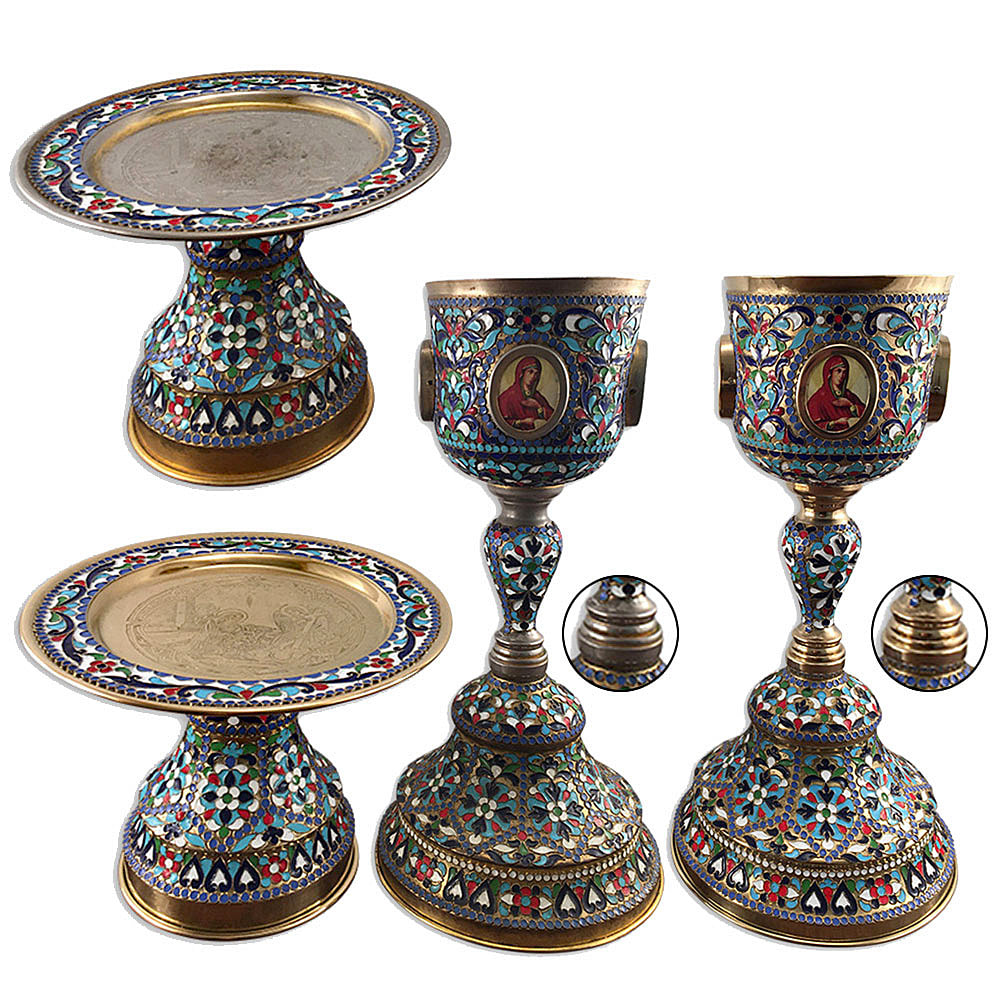
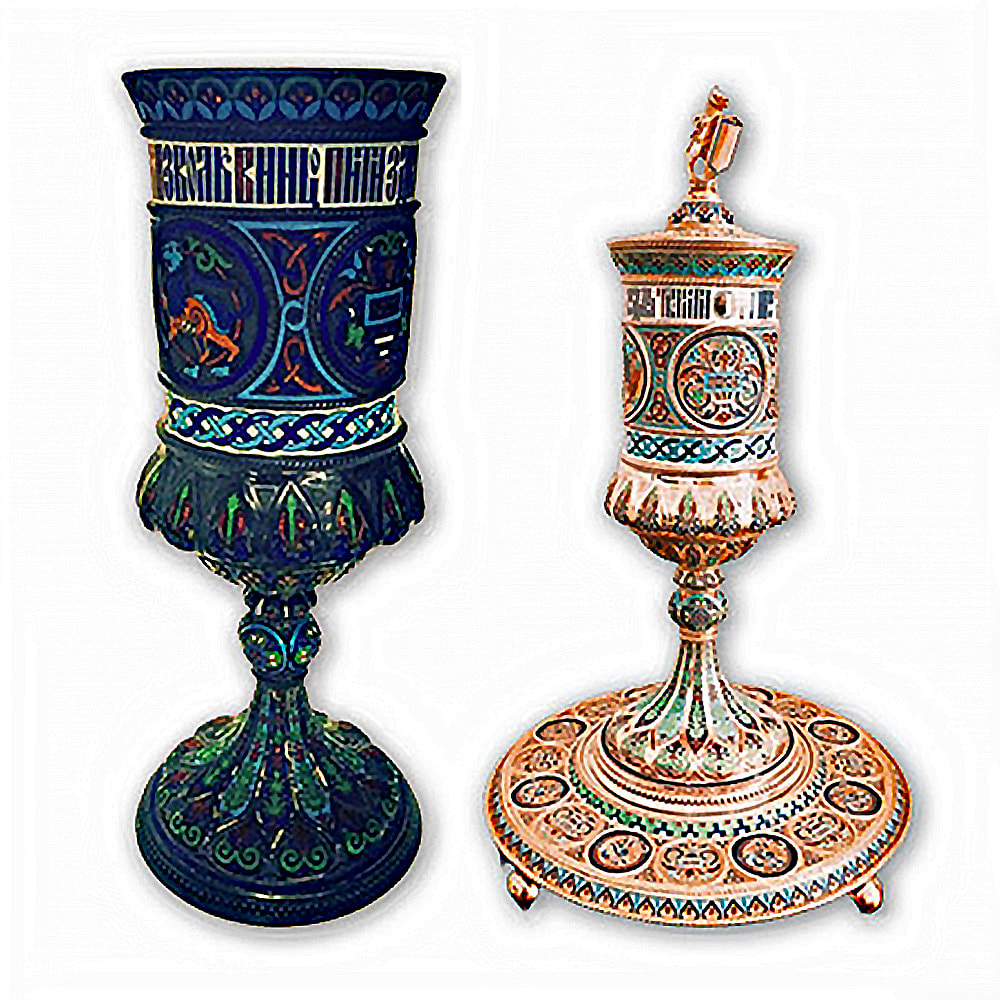
24K GOLD PLATING FOR SACRED AND LITURGICAL ITEMSWe specialize in 24k gold plating for sacred and liturgical items. Our approach respects the significance of these pieces, enhancing their sacred beauty with the highest quality gold. Each item is carefully evaluated to determine the best method for gold plating, ensuring that the process preserves its historical and spiritual integrity. We meticulously clean and prepare the surface to ensure optimal adhesion of the gold. Our skilled artisans then apply an even layer of 24k gold using advanced electroplating techniques, achieving a lustrous and durable finish. This process not only enhances the visual appeal of the items but also protects them from tarnish and wear. At Chelsea Plating Company, we understand the importance of these sacred artifacts and are committed to preserving their sanctity while enhancing their beauty. Trust us to treat your cherished religious items with the reverence and expertise they deserve, providing a gold plating service that honors their spiritual significance and ensures their lasting elegance.
|
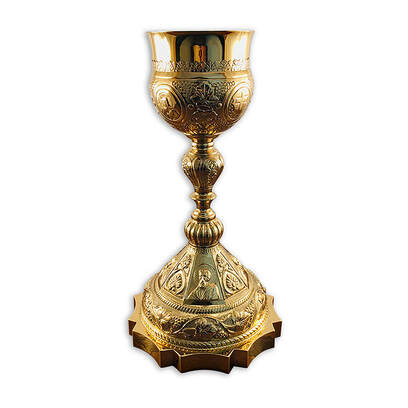
Divine Elegance Redefined: Antique Sterling Silver Chalice in 24k Gold, Masterfully Restored by Chelsea Plating Co.
|